Description
Purified, standardized cosmetic-grade bee venom containing melittin, phospholipase A2, and apamin as principal active peptides. Positioned as a natural alternative to neuromodulator peptides, with documented effects on the appearance of fine lines through topical micro-stimulation.
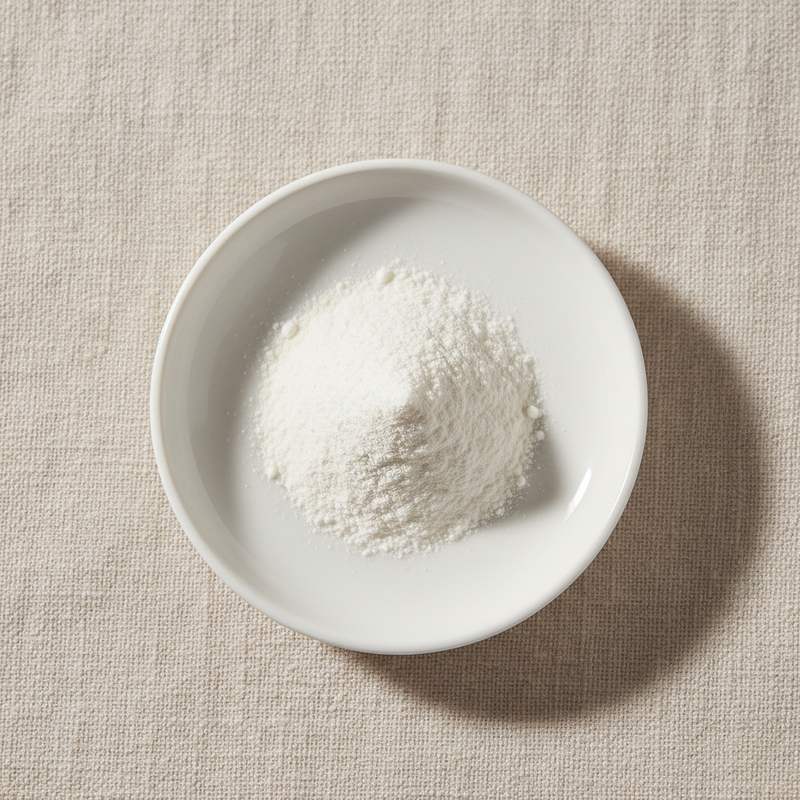
White to slightly yellowish lyophilized powder with very low residual moisture. Soluble in water and most cosmetic vehicles. Used at extremely low finished-product concentrations of 0.0001 to 0.01 percent (1 to 100 ppm of pure venom equivalent).
We supply cosmetic-grade Bee Venom Peptide from manufacturers in China and Korea holding ISO 22716, ISO 9001, Halal and Kosher certifications relevant to the product and production. Collection follows non-lethal electric-stimulation protocols, allowing repeat collection from the same colonies.
Common market grades include Standard 75% melittin content (standard cosmetic grade), High-Purity 90% melittin (premium positioning), and water-soluble pre-diluted ready-to-use solutions at 0.1 to 1 percent venom equivalent for easier formulation.
Bulk and reduced-MOQ shipments. Batch-level COA covering HPLC melittin assay, phospholipase A2 activity, residual solvents, heavy metals, and microbiology. Cold-chain shipping recommended.
Introduction
Bee venom apitherapy has been documented in traditional Chinese, Korean, and European folk medicine for over two thousand years, principally for arthritis. Cosmetic adoption emerged in Korea and New Zealand in the late 2000s, anchored by Manuka Doctor and several K-beauty premium brands including Abeego and Skinfood.
Industrial production uses non-lethal electric stimulation panels placed at the hive entrance. Bees deposit venom on a glass plate without losing their stinger; the dried venom is scraped, sterile-filtered in solution, repurified by chromatography, and lyophilized. Standardization is on HPLC melittin content, the principal active peptide (40 to 60 percent of dry venom mass).
Regulatory status is that of a listed cosmetic ingredient in CosIng, the PCPC INCI dictionary, and China IECIC. Use is restricted in some bee-allergy-sensitive markets and finished products typically carry advisory labeling. EU CosIng lists bee venom as a permitted cosmetic ingredient with no fixed concentration limit but with finished-product safety assessment requirements.
Clinical evidence is limited but increasing. Peer-reviewed studies in Korean dermatology journals at finished-product concentrations of 0.005 to 0.02 percent show measurable improvement in fine line appearance and skin elasticity over 8 to 12 weeks. Mechanism is hypothesized to combine mild micro-stimulation and collagen synthesis upregulation.
Strategically, bee venom occupies the premium natural-active slot in the global anti-aging category, with positioning as a clean-label alternative to neuromodulator peptides. Demand is concentrated in East Asia and the Middle East, with steady growth in prestige Western brands.
Where it is used
- Premium anti-aging serums positioned as natural neurotoxin alternative
- Lifting and firming creams
- Eye contour treatments
- Sleeping masks and overnight ampoules (K-beauty positioning)
- Spot-treatment lifting concentrates
- Lip plumping serums
- Combination peptide formulations with Argireline or Matrixyl
- Royal-jelly co-formulations for clean-beauty positioning
Technical data
| Item | Specification |
|---|---|
| Appearance | White to slightly yellowish lyophilized powder |
| INCI Name | Bee Venom |
| Melittin content (HPLC) | ≥ 75.0% (standard) or ≥ 90.0% (premium) |
| Phospholipase A2 content | 10% to 15% |
| Apamin content | 2% to 4% |
| Loss on drying | ≤ 5.0% |
| pH (1% solution) | 5.0 to 7.0 |
| Heavy metals (as Pb) | ≤ 10 mg/kg |
| Arsenic | ≤ 2 mg/kg |
| Total plate count | ≤ 100 CFU/g |
| E. coli, Salmonella, S. aureus, P. aeruginosa | Negative |
| Storage | 2 °C to 8 °C, protected from light and moisture |
| Source | Apis mellifera, non-lethal collection, purified and lyophilized |
Related ingredients
Ready to discuss business?
Send us your spec and requirement. We will respond with availability and pricing within 24 hours.