Reduced-Sodium Meat Processing: Potassium Chloride, Yeast Extracts, and Phosphate Blends
Sodium reduction is one of the hardest reformulation targets in processed meat, because salt is not just flavor. It does five jobs: taste, protein extraction (binding and texture), water-holding, microbial safety, and flavor enhancement. Pull sodium out without replacing each function and you break binding, lose yield, or compromise safety.
If you produce ham, sausage, or other processed meats, here is the data, the mechanism, a worked reduced-sodium formula, and the failure modes.
What salt does, and what replaces each function
| Salt function | Why it matters | Replacer |
|---|---|---|
| Salty taste | Consumer acceptance | Potassium Chloride (to ~30 to 40% of NaCl) |
| Protein extraction | Binding, sliceability | Phosphates plus residual NaCl/KCl ionic strength |
| Water-holding | Cook yield, juiciness | Phosphate blends (STPP, TSPP, TKPP) |
| Microbial safety | Pathogen hurdle | Lactate/diacetate, curing salts, cold chain |
| Flavor enhancement | Savory depth | Yeast Extract, MSG, 5'-ribonucleotides |
Mechanism: why salt builds texture, and why phosphate saves it
Why salt extracts protein. The bind in a ham or sausage comes from myofibrillar proteins (mainly myosin) dissolving out of the muscle. That solubilization needs ionic strength, which salt provides. The dissolved protein forms a gel on cooking that glues meat pieces together and holds water. Cut the salt and you cut the ionic strength, so less protein extracts, and the product crumbles and weeps.
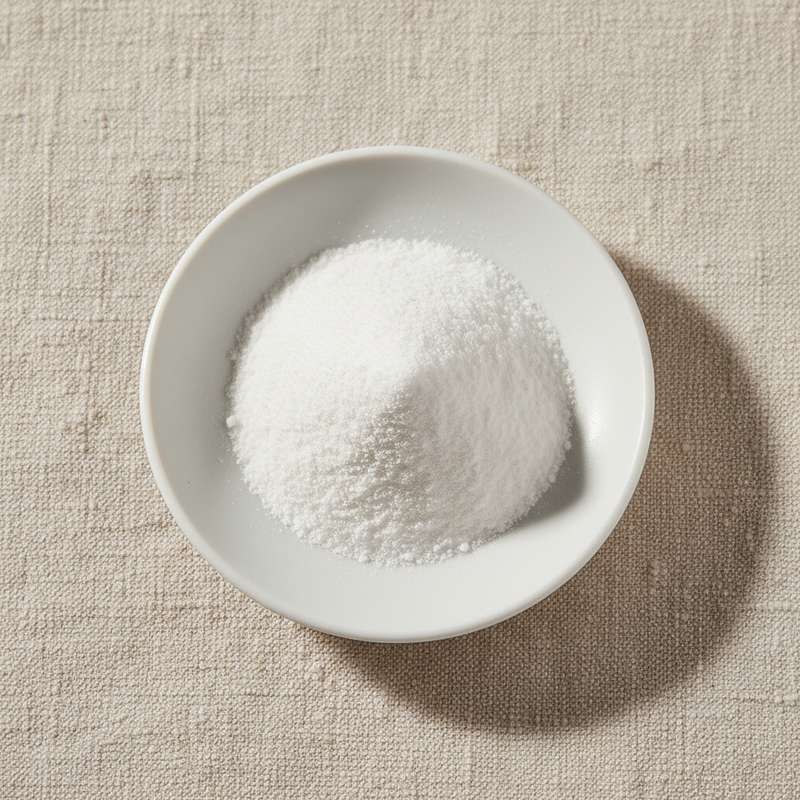
Why KCl alone hits a ceiling. Potassium chloride tastes salty and adds ionic strength, so it covers part of both jobs. But above about 30 to 40 percent replacement of NaCl it turns bitter and metallic, because potassium activates bitter receptors. That bitterness ceiling is why KCl cannot do the whole job alone, and why umami maskers are essential.
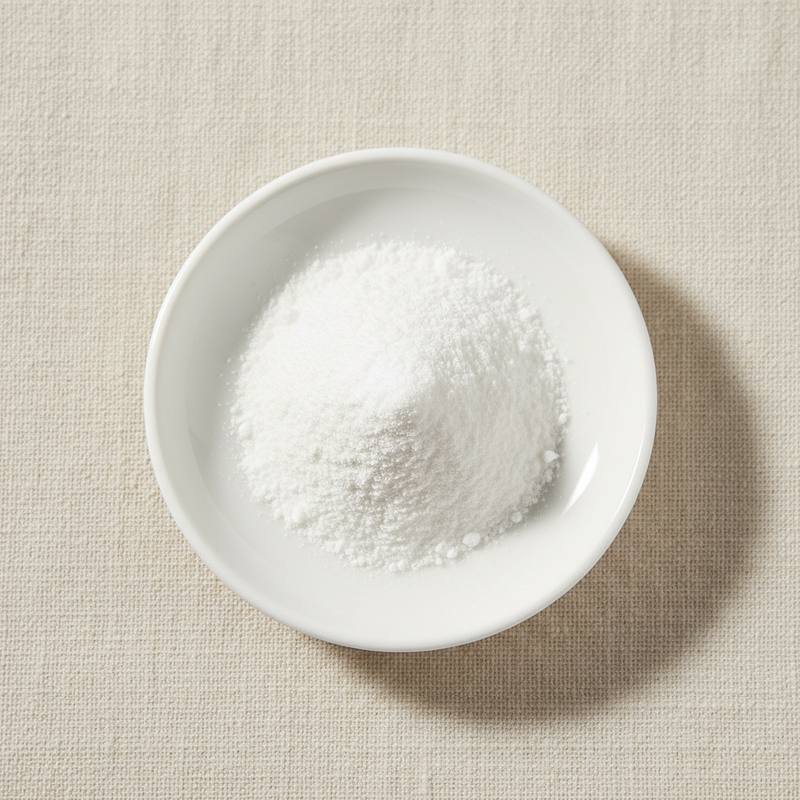
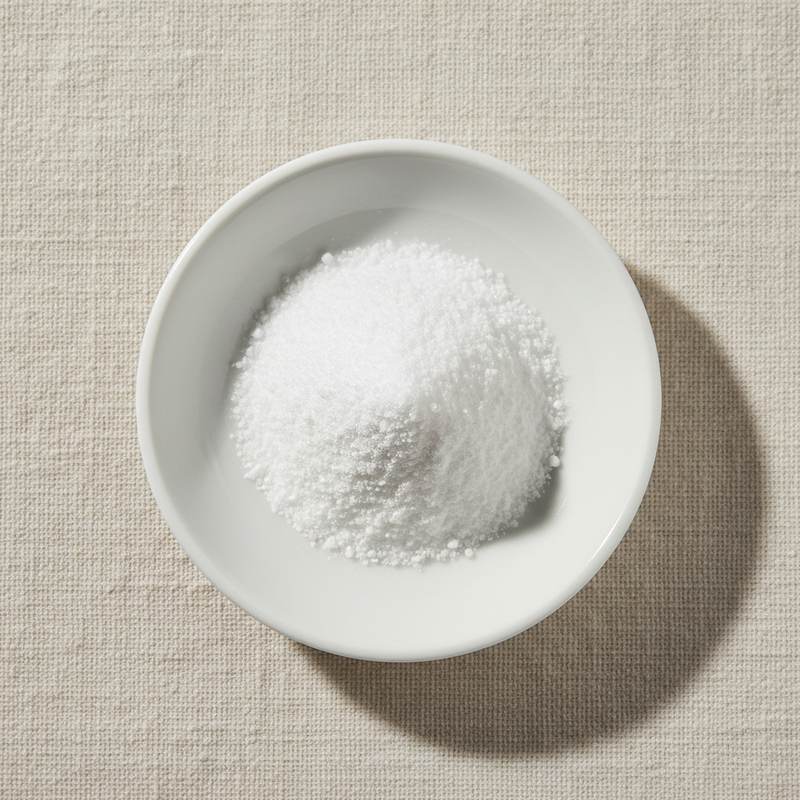
Why phosphates are the key. Alkaline phosphates raise the meat pH away from the isoelectric point of the proteins (around pH 5.2), which opens the protein structure and lets it hold far more water. They also boost ionic strength and help dissociate actomyosin, improving extraction. This is how you recover binding and cook yield at lower salt. Note that STPP and TSPP add sodium themselves, so Tetrapotassium Pyrophosphate (TKPP) is the lower-sodium choice.
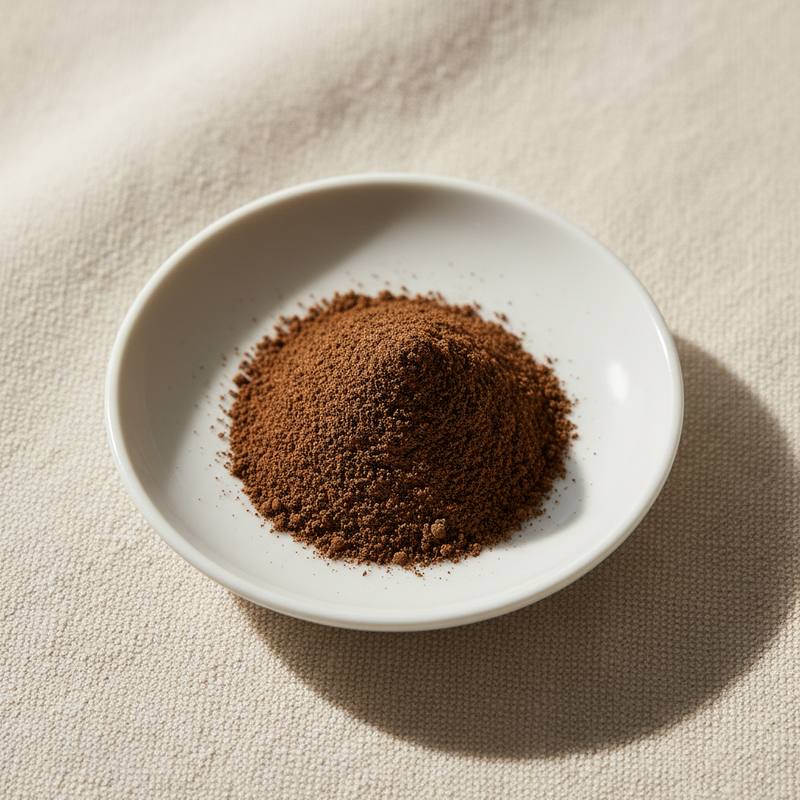
Why umami covers the gap. Yeast Extract carries natural glutamate and 5'-nucleotides, which activate umami receptors and both restore savory depth and mask KCl bitterness, letting you push KCl replacement higher than it would tolerate alone.
A worked reduced-sodium cooked ham (brine basis)
| Component | Level | Role |
|---|---|---|
| Sodium Chloride | reduced ~30% | extraction, taste, safety |
| Potassium Chloride | replaces ~30% of NaCl | salty taste, ionic strength |
| Tetrapotassium Pyrophosphate (TKPP) | to ~0.3 to 0.5% in product | water-holding, low sodium |
| Yeast Extract | 0.3 to 0.8% | umami, bitterness masking |
| Sodium/potassium lactate + diacetate | per safety validation | antimicrobial hurdle |
| Curing salt (nitrite), ascorbate | in spec | cure, color, safety |
Validate the safety of the reduced-sodium formula. Do not assume the pathogen hurdle is unchanged when sodium drops.
Troubleshooting
| Problem | Likely cause | Fix |
|---|---|---|
| Crumbly, poor slice | Low protein extraction | Raise phosphate, keep enough KCl/NaCl ionic strength, check tumbling |
| Low cook yield, purge | Weak water-holding | Optimize phosphate type and level, check pH |
| Bitter, metallic taste | KCl above tolerance | Cap KCl near 30%, raise yeast extract and umami masking |
| Flat, less savory | Lost flavor enhancement | Add yeast extract or MSG plus ribonucleotides |
| Safety or shelf-life concern | Higher water activity at low salt | Add lactate/diacetate, validate, tighten cold chain |
Choose by what you produce
- If you produce cooked ham or bound whole-muscle products, the phosphate blend is critical for yield. Favor TKPP to cut sodium while holding water.
- If you produce emulsified sausage, protein extraction drives texture, so KCl plus phosphate plus umami masking is the core.
- If your finished products carry a clean-label claim, lean on yeast extract and natural lactate systems where the label requires it.
We supply the reduced-sodium toolkit, including Potassium Chloride, Yeast Extract, the phosphate range (STPP, TSPP, TKPP, sodium phosphates), and the organic-acid antimicrobials, in bulk with documentation. Tell us your products, sodium-reduction target, and yield requirement, and we will spec the blend.