Are Mono- and Diglycerides (E471) Halal & Kosher? The Hidden Animal-Fat Issue
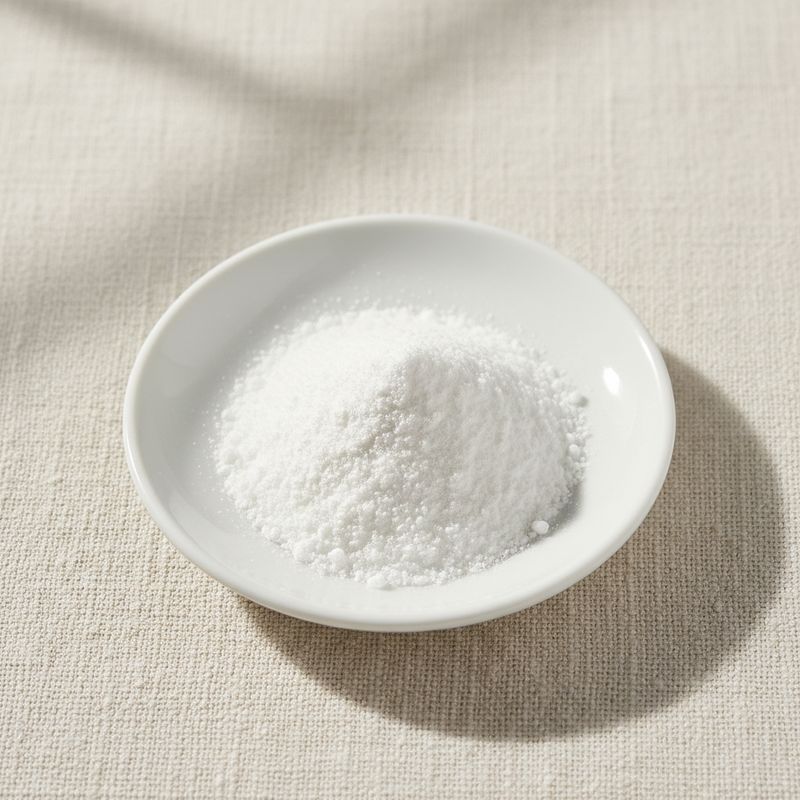
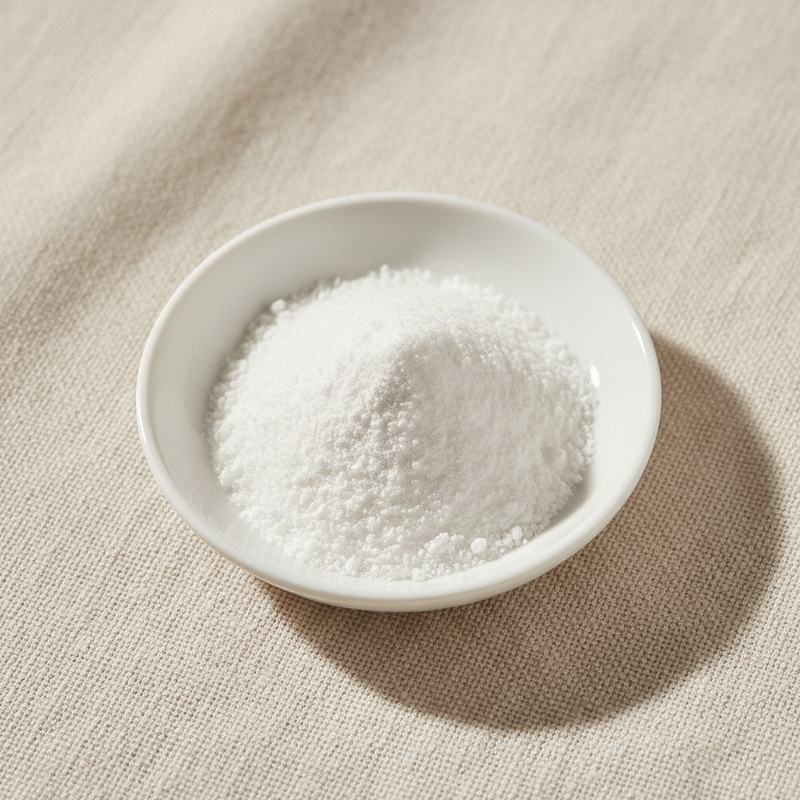
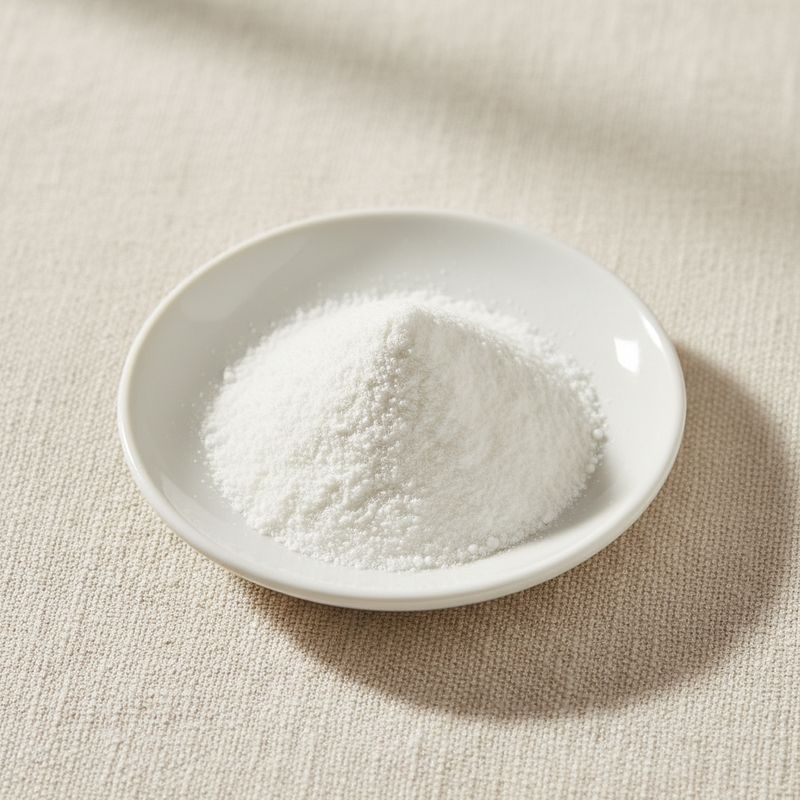
Mono- and diglycerides of fatty acids (E471) are the most widely used emulsifier in industrial food. They are in bread, cakes, margarine, ice cream, whipped toppings, coffee creamer, chewing gum, and chocolate.
They are also one of the most frequent reasons a product that looks vegetarian or plant-based quietly fails a halal or kosher audit. The fatty acids they are built from can come from animal fat. If you produce baked goods, dairy, or confectionery, this is the emulsifier to watch.
What E471 is made of
Mono- and diglycerides are made by combining glycerol with fatty acids (glycerolysis of fats, or esterification). Both inputs carry a sourcing question.
- The glycerol can be plant- or animal-derived. This is the same tallow-versus-vegetable issue that affects standalone halal and kosher glycerin.
- The fatty acids can come from vegetable oils (palm, soybean, sunflower) or from animal fat (beef or pork tallow).
Because tallow is a cheap, abundant fatty-acid source, animal-derived E471 is genuinely common in the commodity stream, not a rare edge case.
The certification reality
Pork-derived E471 is haram and non-kosher. Beef-derived E471 is conditional on slaughter, and that is almost never documented at the emulsifier level.
Plant-derived E471 is the route that certifies cleanly. Palm- or soy-based mono- and diglycerides can be both halal and kosher, and vegetable-sourced E471 is pareve. The label "mono- and diglycerides" never states origin, so the certificate and an explicit vegetable-origin declaration are the only proof.
This matters more for E471 than almost any other additive, precisely because it is everywhere and because formulators tend to treat it as a generic, low-risk processing aid. It is neither generic nor low-risk from a certification standpoint.
The wider emulsifier family travels with it
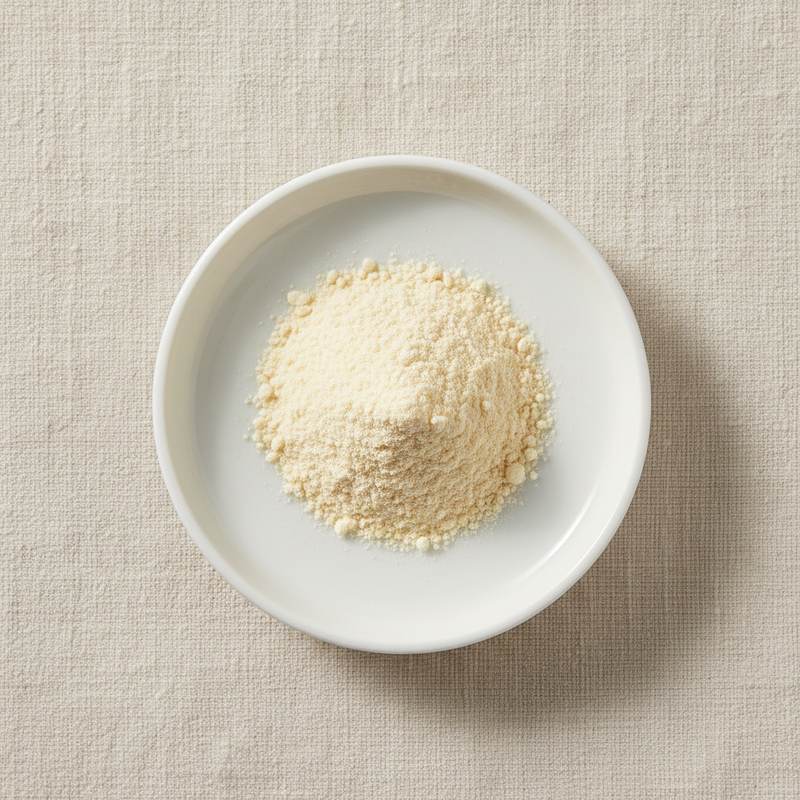
The same origin question runs through the related esters. Distilled Monoglyceride, Acetylated Monoglycerides, DATEM (E472e), Citric Acid Esters of Mono- and Diglycerides (CITREM, E472c), and Lactic Acid Esters of Mono- and Diglycerides (LACTEM, E472b) are all built on the same mono-/diglyceride backbone and inherit its feedstock risk.
If you certify E471, certify the whole 472 ester family in the same formula too. The full picture is in our guide to the kosher status of common emulsifiers.
Choose by what you produce
- If you produce bread, cake, or laminated bakery, E471 and DATEM are likely both in the dough. Specify vegetable-origin for both.
- If you manufacture ice cream or whipped toppings, the mono-/diglyceride and any sorbitan/polysorbate emulsifiers all need vegetable-origin certificates.
- If your finished products are labeled plant-based or vegetarian, E471 is the most common hidden animal-fat risk. Do not assume the label and the certificate agree until you check.
What to verify
- "Vegetable origin" stated explicitly on the CoA and certificate, ideally naming palm or soy.
- Halal and/or kosher certificate scoped to the producing plant and grade, current and dated.
- The whole ester family checked, not just the headline E471 (DATEM, CITREM, LACTEM, distilled monoglyceride).
- Cross-contamination controls if the plant also runs animal-fat lines.
We supply plant-derived Mono- and Diglycerides of Fatty Acids, Distilled Monoglyceride, and the related ester emulsifiers with manufacturer halal and kosher documentation and a vegetable-origin declaration. Send us your products and application and the certification you need, and we will quote the grades that clear it.