Description
A high-purity monoglyceride concentrate produced by molecular distillation of standard mono- and diglycerides, yielding 90 percent or higher monoester content for premium emulsifier applications where monoester activity is the limiting performance factor.
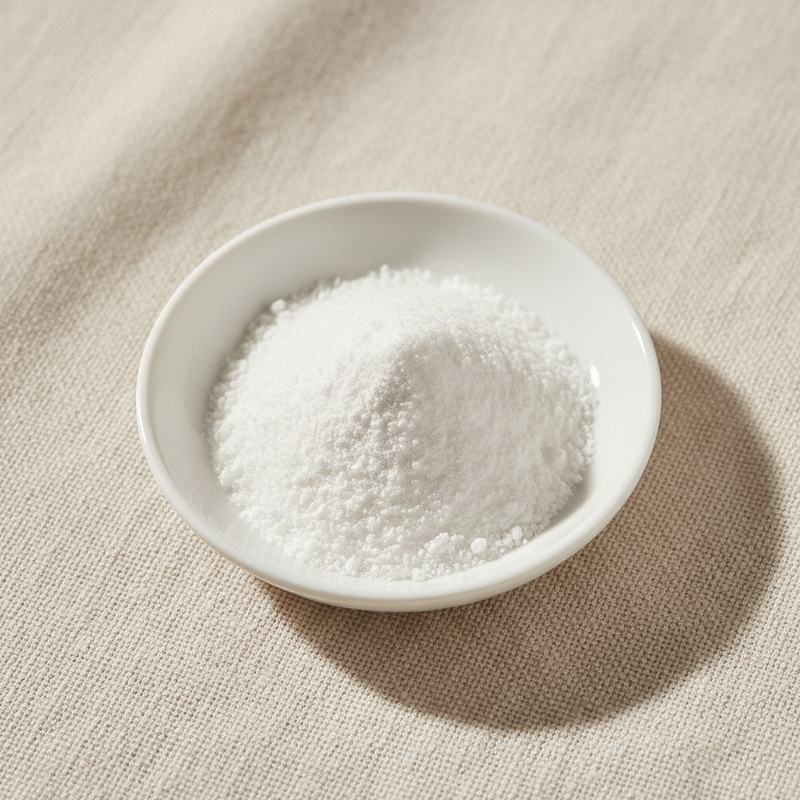
White to off-white beads, pellets, or powder. Sharper melting profile than standard E471 and significantly higher functional activity per unit weight.
We supply food-grade Distilled Monoglyceride from manufacturers in China holding ISO, Halal, Kosher and other certifications relevant to the product and production. Saturated (hydrogenated) and unsaturated grades are available.
Common market grades include 90 percent and 95 percent saturated distilled monoglyceride for bakery and starch-complexation use, unsaturated distilled monoglyceride for margarine and spread applications, and hydrated alpha-crystalline plastic forms for direct cake-batter incorporation.
Bulk and reduced-MOQ shipments. Batch-level COA covering monoester content, free glycerol, iodine value, acid value, melting point, and microbiology.
Introduction
Distilled monoglycerides emerged in the 1960s through advances in molecular distillation technology that allowed selective recovery of the monoester fraction from the statistical mixture produced by standard glycerolysis.
Production starts with standard mono- and diglycerides, which are subjected to short-path molecular distillation at high vacuum and moderate temperature. The monoester evaporates and is recondensed at high purity, leaving diglycerides and triglycerides in the residue.
Regulated as E471 in the EU under the same designation as standard mono- and diglycerides, classified as Generally Recognized as Safe by the U.S. FDA, and approved by JECFA without a numerical Acceptable Daily Intake limit.
The strategic advantage is twofold: higher monoester activity per unit weight reduces dosage and packaging cost, and the absence of free glycerol and diglyceride co-products narrows the functional response in sensitive applications such as starch complexation and alpha-crystal hydration. Premium bakery, dairy, and margarine formulations universally specify distilled grades.
Where it is used
- Bread crumb-softener premixes and dough-conditioner concentrates; concentrated monoester for amylose complexation
- Premium cake mixes and sponge formulations; aeration and crumb structure
- Margarine, spreads, and shortenings; controls water-in-oil emulsion and crystallization
- Ice cream and frozen desserts; promotes controlled fat destabilization for dryness and shape retention
- Whipped toppings, aerosol cream, and non-dairy creamers
- Pasta, noodles, and rice products; reduces stickiness through starch complexation
- Chewing gum base and confectionery
- Powdered emulsifier blends and bakery shortening systems
- Infant formula and clinical nutrition emulsion stabilization
Technical data
| Item | Specification |
|---|---|
| Appearance | White to off-white beads, pellets, or powder |
| Total monoester content | ≥ 90.0% |
| Free glycerol | ≤ 1.0% |
| Iodine value | ≤ 3.0 (saturated) / Report (unsaturated) |
| Acid value | ≤ 2.0 mg KOH/g |
| Melting point | 65 °C to 72 °C (saturated) |
| Heavy metals (as Pb) | ≤ 5 mg/kg |
| Arsenic | ≤ 2 mg/kg |
| Total plate count | ≤ 1,000 CFU/g |
| Form | Beads, powder, or plastic per customer specification |
Related ingredients
Ready to discuss business?
Send us your spec and requirement. We will respond with availability and pricing within 24 hours.