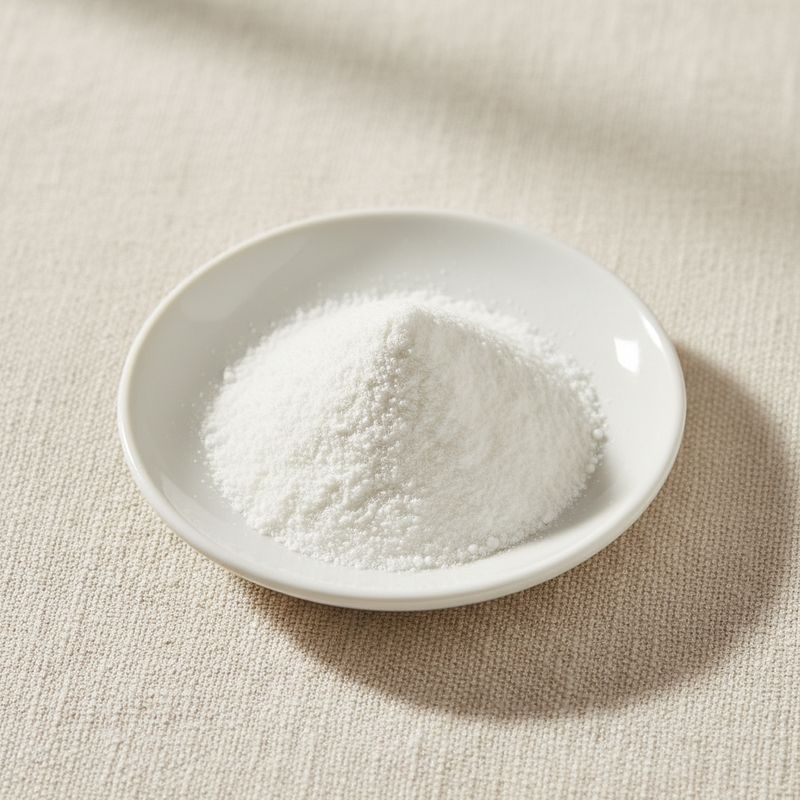
Description
Citrem, the esterification product of citric acid with mono- and diglycerides, used as an oil-in-water emulsifier, metal-ion sequestrant, and antioxidant synergist in margarine, oil-based products, and processed meat applications.
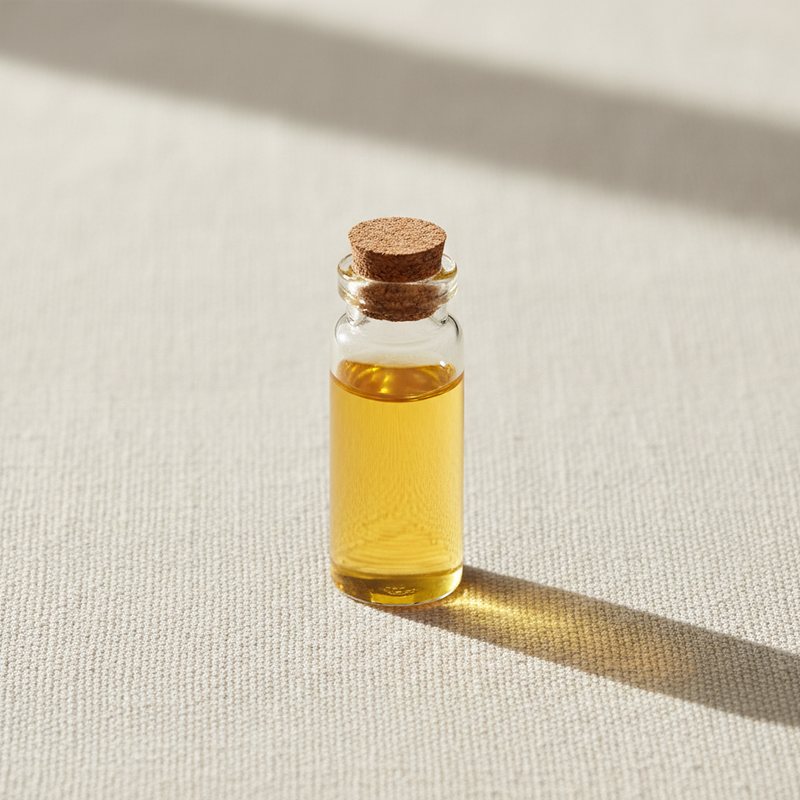
Pale yellow to amber waxy solid or viscous liquid depending on the fatty acid backbone and degree of neutralization. Available as the free-acid form or partially neutralized sodium and calcium salts.
We supply food-grade Citric Acid Esters of Mono- and Diglycerides from manufacturers in China holding ISO, Halal, Kosher and other certifications relevant to the product and production.
Common market grades include free-acid CITREM for margarine and oil applications, partially neutralized sodium CITREM for water-continuous systems and beverage emulsions, and liquid CITREM grades for cosmetics and personal-care use.
Bulk and reduced-MOQ shipments. Batch-level COA covering total citric acid, free fatty acids, acid value, iodine value, and microbiology.
Introduction
Citric acid esters of mono- and diglycerides were commercialized in the 1950s as part of the development of the broader mono-diglyceride derivative family, targeting applications where the parent emulsifier lacked sufficient hydrophilicity or anti-oxidative function.
Production reacts citric acid with mono- and diglycerides at elevated temperature, optionally followed by partial neutralization with sodium or calcium hydroxide. The resulting molecule combines emulsification activity with chelation of pro-oxidant metals through the free carboxylic acid groups of the citric residue.
Regulated as E472c in the EU, classified as Generally Recognized as Safe by the U.S. FDA under 21 CFR 172.832, and approved by JECFA without a numerical Acceptable Daily Intake limit.
The dual emulsifier-antioxidant-synergist function is the strategic distinguishing feature: a single ingredient performs structural and oxidative-stability roles that would otherwise require separate emulsifier and chelator additions. This makes CITREM particularly valuable in margarine, frying oil, and processed-meat applications subject to lipid oxidation during shelf life.
Where it is used
- Margarine and low-fat spreads; primary emulsifier and spatter-reducing agent in pan-frying margarines
- Frying oils and shortenings; antioxidant synergist with tocopherols and metal sequestrant against pro-oxidant metals
- Processed meat and sausage emulsions; supports fat-water binding
- Beverage emulsions and flavor oils; oil-in-water emulsifier for citrus and cloud emulsions
- Infant formula and clinical nutrition; emulsifier for fat blends in liquid nutrition
- Plant-based dairy alternatives and creamers
- Whipped toppings and dessert toppings
- Cosmetic and personal-care emulsions; mild natural-derived emulsifier
Technical data
| Item | Specification |
|---|---|
| Appearance | Pale yellow to amber waxy solid or viscous liquid |
| Total citric acid | 13.0% to 18.0% |
| Free fatty acids | Report |
| Acid value | 40 to 130 mg KOH/g |
| Iodine value | Report |
| Saponification value | 270 to 380 mg KOH/g |
| Heavy metals (as Pb) | ≤ 5 mg/kg |
| Arsenic | ≤ 2 mg/kg |
| Total plate count | ≤ 1,000 CFU/g |
| Form | Free acid, partially neutralized, or liquid per customer specification |
Related ingredients
Ready to discuss business?
Send us your spec and requirement. We will respond with availability and pricing within 24 hours.