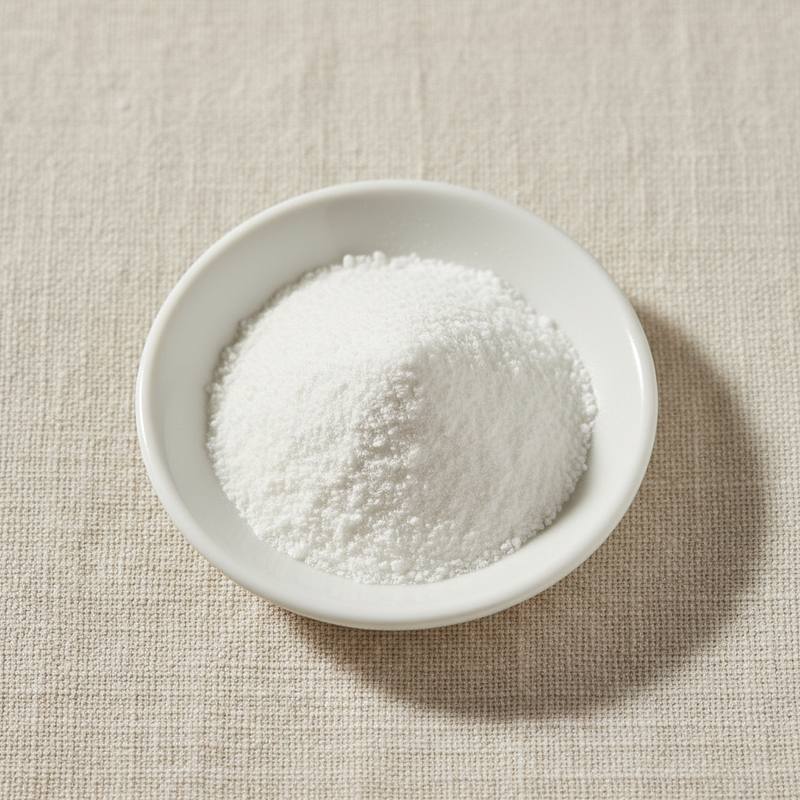
Description
An organic zinc complex with picolinic acid (a natural metabolite of tryptophan), supplying approximately 20 percent elemental zinc by weight. Picolinic acid is itself produced endogenously by the human body as a natural mineral-binding ligand, contributing to favorable absorption characteristics.
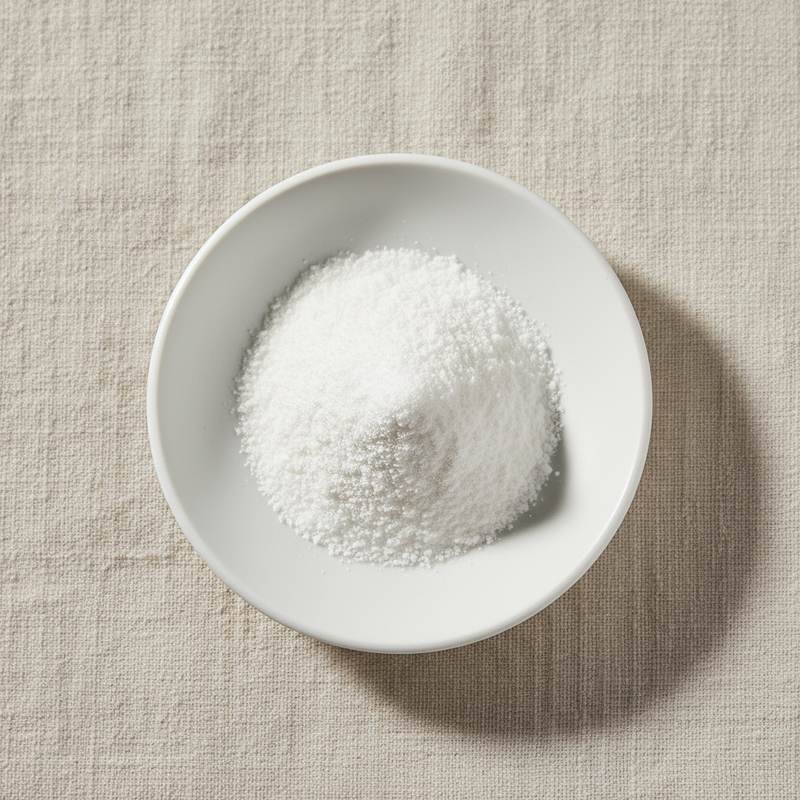
White to off-white free-flowing powder, slightly soluble in water and freely soluble in dilute acids. Neutral taste suitable for capsule, tablet, and powdered beverage applications.
We supply food-grade Zinc Picolinate from manufacturers in China holding ISO, FSSC 22000, Halal, Kosher, and other certifications relevant to the product and production.
Common market grades include standard capsule and tablet powder, fine-mesh grade for stick-packs and powdered beverages, and granulated direct-compression grade. Bulk and reduced-MOQ shipments with batch-level COA covering assay, elemental zinc, heavy metals, and microbiology.
Introduction
Zinc picolinate combines zinc with picolinic acid (pyridine-2-carboxylic acid), a tryptophan metabolite produced in the human pancreas and proposed as a natural mineral-binding ligand involved in zinc absorption. The chelate has been used in dietary supplements since the 1980s and is positioned as a high-bioavailability zinc form.
Industrial production uses reaction of zinc carbonate or zinc oxide with picolinic acid in aqueous solution under controlled temperature and pH, followed by crystallization and drying. Stoichiometric control yields the bis-picolinate complex with two picolinate ligands per zinc atom.
Regulatory status includes recognition as a permitted source of zinc in food supplements under EU Regulation 1925/2006 and Directive 2002/46/EC, GRAS notifications for specific commercial articles in the United States, and registration in multiple national food supplement frameworks.
Bioavailability of zinc from picolinate has been studied in head-to-head clinical trials versus other zinc salts, with several studies showing superior or comparable fractional absorption to citrate and sulfate. The salt commands a price premium consistent with its positioning in the premium dietary supplement segment.
Where it is used
- Premium zinc supplements in capsules and tablets
- Immune support and seasonal wellness formulations
- Skin health and acne management supplements
- Men's health and reproductive support products
- Multivitamin and multi-mineral tablets
- Sports nutrition recovery and immune support stacks
- Pediatric chewable zinc supplements
- Functional beverages and stick-pack powders
- Senior immune support formulations
Technical data
| Item | Specification |
|---|---|
| Appearance | White to off-white free-flowing powder |
| Assay (dry basis) | ≥ 98.0% |
| Elemental zinc | 20.0 to 21.0% w/w |
| Picolinic acid content | 76 to 80% w/w |
| Loss on drying | ≤ 5.0% |
| Particle size | ≥ 95% through 80 mesh |
| Heavy metals (as Pb) | ≤ 5 mg/kg |
| Arsenic | ≤ 2 mg/kg |
| Cadmium | ≤ 1 mg/kg |
| Mercury | ≤ 0.1 mg/kg |
| Total plate count | ≤ 1000 CFU/g |
| Salmonella | Absent in 25 g |
| Shelf life | 36 months from manufacture under recommended storage |
| Storage | Cool, dry, sealed |
Related ingredients
Ready to discuss business?
Send us your spec and requirement. We will respond with availability and pricing within 24 hours.