Description
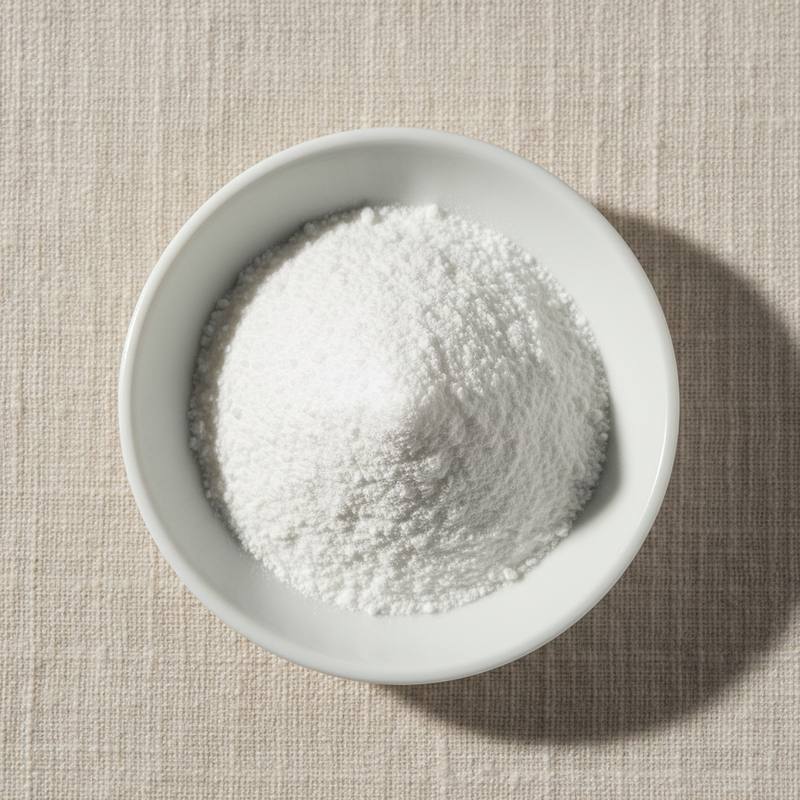
An inorganic zinc oxide supplying approximately 80 percent elemental zinc by weight, the highest of any commercial zinc source. Practically insoluble in water but soluble in dilute acids, releasing zinc ions upon contact with gastric acid.
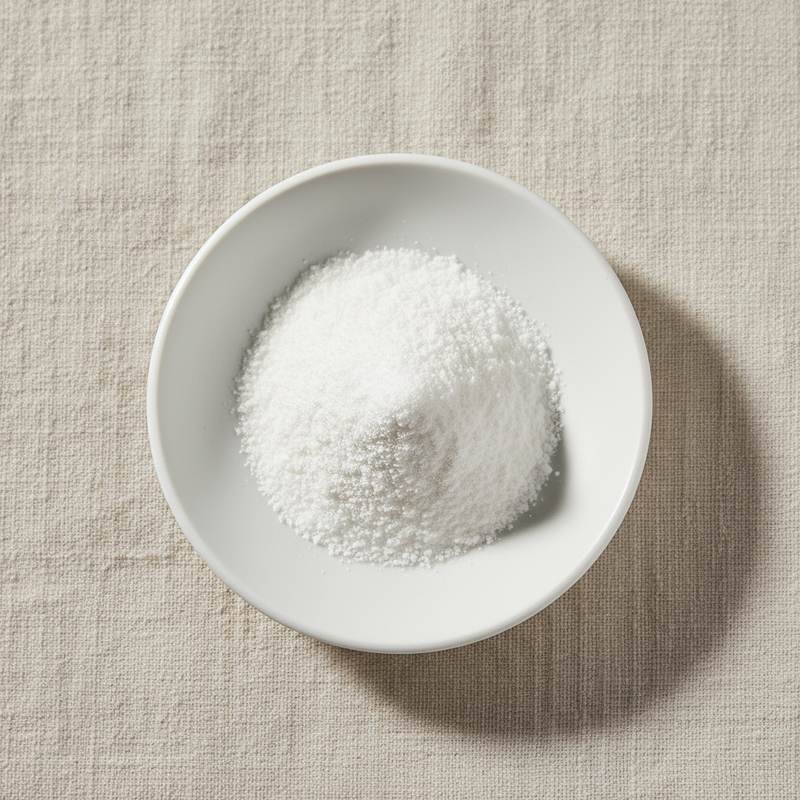
White to pale yellow odorless powder. Functions as a zinc fortificant in feed and food premixes, a topical astringent and UV filter in cosmetic and sunscreen applications, and a vulcanization activator in industrial rubber.
We supply food-grade, pharmaceutical-grade, cosmetic-grade, feed-grade, and technical-grade Zinc Oxide from manufacturers in China holding ISO, FSSC 22000, Halal, Kosher, and other certifications relevant to the product and production.
Common market grades include USP and EP pharmaceutical grade for topical and oral use, food-grade for premix and fortification applications, cosmetic-grade (including non-nano and coated variants) for sunscreen and skin care, feed-grade for animal nutrition, and technical-grade for rubber, ceramics, and paint applications. Bulk and reduced-MOQ shipments with batch-level COA covering assay, elemental zinc, heavy metals, and microbiology.
Introduction
Zinc oxide is the most cost-effective zinc source per kilogram of elemental zinc due to its high zinc content (around 80 percent) and is therefore the dominant form in feed and bulk industrial applications. In nutritional applications, oral zinc oxide releases zinc ions on contact with gastric acid, supporting absorption in the proximal small intestine.
Industrial production uses three main routes: the French (or indirect) process, in which zinc metal is vaporized and oxidized in air; the American (or direct) process, in which zinc ore is roasted with coal and the volatilized metal is oxidized; and the wet chemical process, in which precipitated zinc carbonate or hydroxide is thermally decomposed. The French process produces the highest-purity grades suitable for pharmaceutical and food use.
Regulatory status includes USP, EP, JP, and BP monographs, recognition as a permitted zinc source for food fortification under EU Regulation 1925/2006, GRAS notifications for specific commercial articles, FDA approval as an over-the-counter sunscreen active ingredient up to 25 percent in the United States, and authorization as a feed additive under EU Regulation 1831/2003.
Bioavailability of zinc from oxide is somewhat lower than from sulfate or organic chelates (around 15 to 25 percent fractional absorption) and is more sensitive to gastric acid availability. Despite this, the high elemental zinc content makes zinc oxide the standard for cost-sensitive applications, while picolinate, bisglycinate, and citrate are positioned for premium oral supplements.
Where it is used
- Zinc fortification of feed premixes, infant formula, and food applications
- Mineral sunscreen UV filter (broad-spectrum UVA/UVB)
- Diaper rash and skin barrier topical creams
- Calamine lotion and topical astringent applications
- Pharmaceutical excipient in tablets, powders, and ointments
- Cosmetic and personal care products
- Animal feed zinc supplementation (swine, poultry, aquaculture)
- Rubber vulcanization activator and tire production
- Ceramic glaze and paint pigment
Technical data
| Item | Specification |
|---|---|
| Appearance | White to pale yellow odorless powder |
| Assay (ZnO) | ≥ 99.0% (pharmaceutical grade) |
| Elemental zinc | 78 to 80% w/w |
| Loss on ignition | ≤ 1.0% |
| Acid-insoluble matter | ≤ 0.01% |
| Iron | ≤ 100 mg/kg |
| Heavy metals (as Pb) | ≤ 20 mg/kg |
| Arsenic | ≤ 3 mg/kg |
| Cadmium | ≤ 5 mg/kg |
| Mercury | ≤ 1 mg/kg |
| Particle size | Customer-specified (sub-micron to 200 mesh) |
| Microbiology | Meets pharmacopoeial limits for food/pharmaceutical grade |
| Shelf life | 36 months from manufacture under recommended storage |
| Storage | Cool, dry, sealed |
Related ingredients
Ready to discuss business?
Send us your spec and requirement. We will respond with availability and pricing within 24 hours.