Description
Pure zeaxanthin, the xanthophyll carotenoid that, together with lutein, makes up the macular pigment of the retina. Distinct from lutein at a single hydroxyl-position stereocenter, with both molecules acting in concert in macular protection.
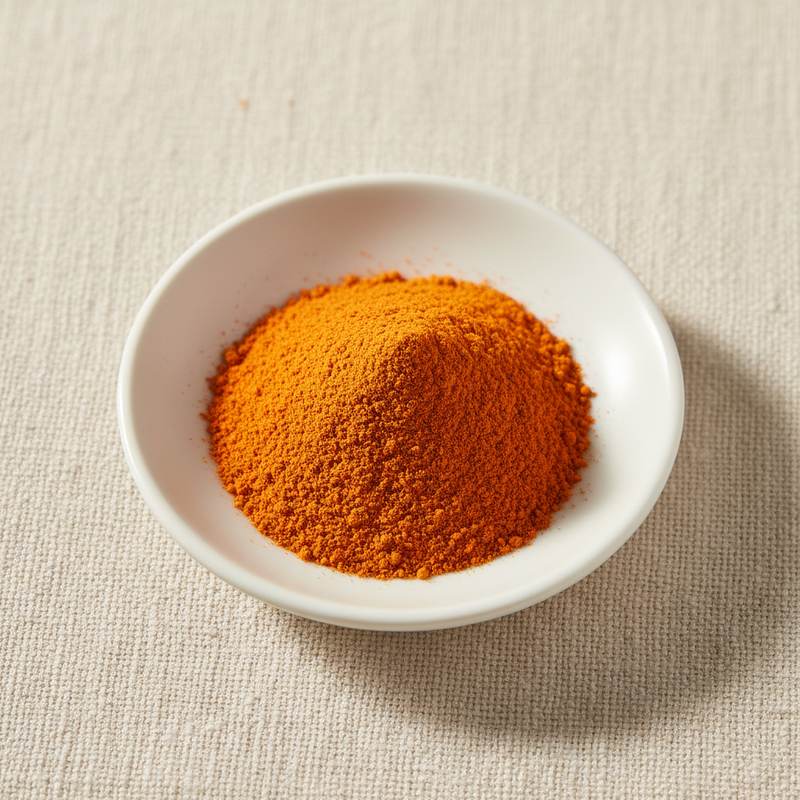
Orange-red crystalline powder or formulated beadlet. Often supplied as a 5 percent or 10 percent beadlet with starch matrix for handling stability.
We supply food-grade Zeaxanthin from manufacturers in China holding ISO, Halal, Kosher and other certifications relevant to the product and production. Produced by extraction from paprika and marigold, or by fermentation using engineered microbial strains.
Common market grades include neat crystalline Zeaxanthin 95%, 5% and 10% beadlet forms, oil-suspended 5% for softgel filling, and pre-blended lutein-zeaxanthin 5:1 systems for eye-health products.
Bulk and reduced-MOQ shipments. Batch-level COA covering Zeaxanthin content, lutein co-content, heavy metals, residual solvents, and microbiology.
Introduction
Zeaxanthin is the stereoisomer of lutein with the 3'-hydroxyl group in the R-configuration. Together with lutein and meso-zeaxanthin, it constitutes the macular pigment, with zeaxanthin and meso-zeaxanthin concentrated in the foveal center and lutein in the surrounding parafovea.
Commercial Zeaxanthin sources include paprika oleoresin (rich in zeaxanthin esters), marigold (predominantly lutein with minor zeaxanthin), and fermentation-derived material using engineered Flavobacterium or yeast strains. Fermentation grades offer the cleanest impurity profile and command a premium.
Clinical work culminating in the AREDS2 study established 2 mg zeaxanthin alongside 10 mg lutein as a clinically supported daily dose for macular-pigment optical density support. This formulation underpins most premium eye-health products.
The molecule is highly susceptible to oxidation and light degradation. Commercial material is packed under nitrogen and supplied predominantly in beadlet or oil-suspended form for shelf stability and ease of formulation.
Where it is used
- Premium eye-health supplements alongside lutein
- Macular-support formulations following AREDS2 protocols
- Multivitamins positioned for adults over 50
- Cognitive-support products using crossover into brain tissue
- Skin-care supplements for blue-light protection
- Functional foods including yogurts and beverages
- Infant-formula fortification in approved markets
- Co-formulation with lutein, vitamin C, and zinc
Technical data
| Item | Specification |
|---|---|
| Appearance | Orange-red crystalline powder or beadlet |
| Zeaxanthin content (neat) | ≥ 95.0% |
| Lutein content | ≤ 5% of total carotenoids |
| Loss on drying | ≤ 1.0% (neat); ≤ 6.0% (beadlet) |
| Heavy metals (as Pb) | ≤ 5 mg/kg |
| Arsenic | ≤ 2 mg/kg |
| Residual solvents | Meets ICH Q3C limits |
| Total plate count | ≤ 1000 cfu/g |
| E. coli, Salmonella | Negative |
Related ingredients
Ready to discuss business?
Send us your spec and requirement. We will respond with availability and pricing within 24 hours.