Description
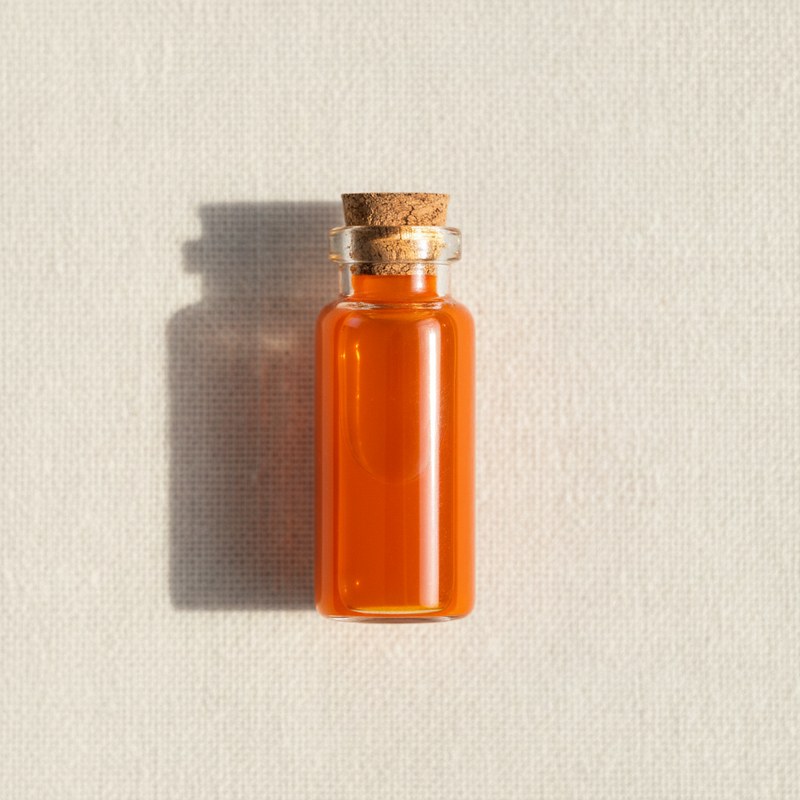
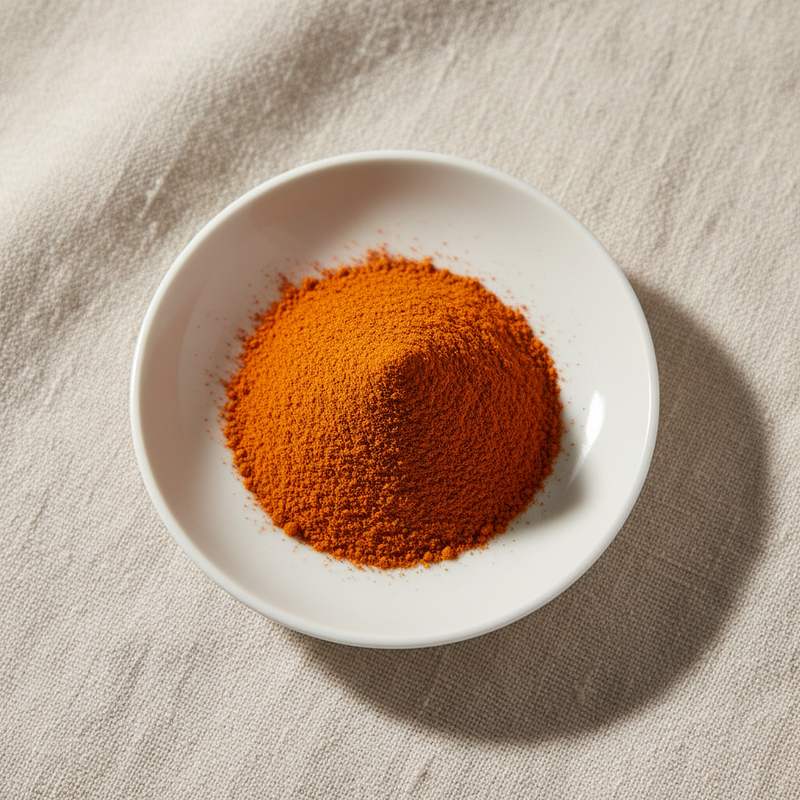
A natural deep red to orange-red oleoresin extracted from sweet red pepper (Capsicum annuum). The principal pigments are capsanthin and capsorubin, carotenoids that produce a rich tomato-red to paprika-orange hue.
Dark red to deep red viscous oily liquid. Oil-soluble in the base form, with water-dispersible emulsified versions produced for beverage and dairy use. Carries a characteristic mild paprika flavor that is removed in deodorized grades for color-only applications.
We supply food-grade Paprika Oleoresin from manufacturers in China holding ISO, Halal, Kosher and other certifications relevant to the product and production. Low-capsaicin and capsaicin-free deodorized grades are available on request.
Common market grades are sold by color value in ASTA color units: 40,000, 60,000, 80,000, 100,000, and 120,000 ASTA, with higher numbers reflecting more concentrated carotenoid content. Water-dispersible emulsions are typically produced at 20,000 to 40,000 ASTA.
Bulk and reduced-MOQ shipments. Batch-level COA covering ASTA color value, capsaicin content, heavy metals, residual solvent, and microbiology.
Introduction
Paprika has been cultivated in Europe since Capsicum peppers reached Spain and Hungary in the sixteenth century. The standardized oleoresin extract was developed as an industrial colorant in the twentieth century to deliver consistent color strength in processed food.
Production proceeds by solvent extraction of dried, ground sweet red pepper using hexane or ethanol, followed by solvent removal under vacuum and standardization to the declared ASTA color value. Deodorization and capsaicin removal are performed by molecular distillation when low-flavor or capsaicin-free grades are required.
Regulated as E160c in the EU, listed by the U.S. FDA as a permitted color additive exempt from certification, and approved by JECFA without a numerical Acceptable Daily Intake limit.
The compound's strategic position is the natural orange-red workhorse of the savory category. Light stability is good in opaque or oil-protected matrices, heat stability is excellent through baking, retort, and frying, and pH stability is broad across the typical range of meat, dairy, and savory applications.
Paprika Oleoresin competes directly with synthetic Sunset Yellow (E110) and Allura Red (E129) in clean-label reformulation, and with Annatto and Beta-Carotene in the natural orange category, where its richer red-orange tone differentiates it from those alternatives.
Where it is used
- Sausages, processed meats, and meat snacks including chorizo, pepperoni, and frankfurters
- Snack seasonings for chips, crackers, and extruded snacks where natural red-orange is required
- Cheese coatings and rind treatments for orange-rind cheeses
- Salad dressings, sauces, and marinades positioned as clean-label
- Surimi and seafood analogs requiring orange-red coloration
- Poultry feed for egg yolk and skin pigmentation
- Aquaculture feed for salmonid color enhancement
- Soups, ready meals, and sauces requiring tomato-red lift
- Confectionery and bakery decorations
Technical data
| Item | Specification |
|---|---|
| Appearance | Dark red to deep red viscous oily liquid |
| Source | Capsicum annuum (sweet red pepper) |
| Color value | 40,000 to 120,000 ASTA (per grade) |
| Capsaicin content | ≤ 0.5% (standard); ≤ 100 ppm (low-pungent grades) |
| Solubility | Oil-soluble; water-dispersible emulsions available |
| Light stability | Good in opaque or oil-protected matrices |
| Heat stability | Excellent; stable through baking, retort, and frying |
| Residual hexane | ≤ 25 mg/kg |
| Lead | ≤ 2 mg/kg |
| Arsenic | ≤ 1 mg/kg |
| Total plate count | ≤ 1000 CFU/g |
Related ingredients
Ready to discuss business?
Send us your spec and requirement. We will respond with availability and pricing within 24 hours.