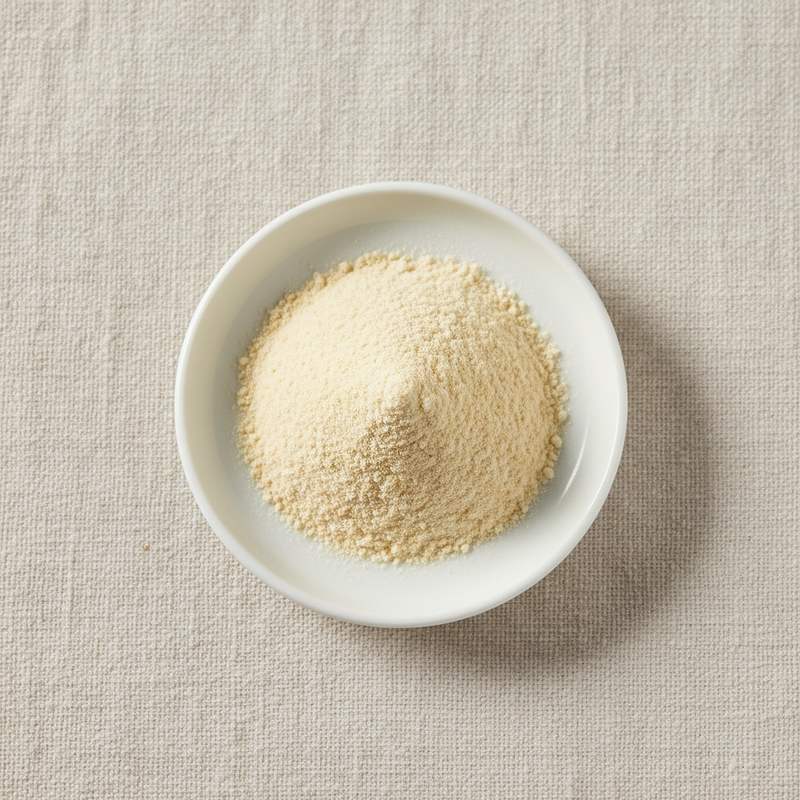
Description
A microencapsulated free-flowing powder of refined sunflower oil (Helianthus annuus), spray-dried in a protein, dairy, or modified-starch carrier matrix. High-oleic and standard linoleic profiles are available.
White to pale cream powder, neutral in flavor and aroma. Oil load typically 50% to 80%. Designed for dry-blend formulation where liquid oil would compromise handling, shelf life, or product format.
We supply food-grade Sunflower Oil Powder from manufacturers in China holding ISO, Halal, Kosher and other certifications relevant to the product and production. Non-GMO, organic, and high-oleic grades are available on request.
Common market grades include 50% Oil Load (standard for nutrition bars and powders), 70% Oil Load (premium high-payload), 80% Oil Load (specialty), and High-Oleic Sunflower Oil Powder for applications requiring extended shelf life and improved fatty acid profile.
Bulk and reduced-MOQ shipments. Batch-level COA covering oil load, fatty acid profile, peroxide value, moisture, heavy metals, and microbiology.
Introduction
Sunflower oil is one of the four most-traded vegetable oils globally, produced from Helianthus annuus seeds at approximately 20 million tonnes annually. Standard sunflower oil is dominated by linoleic acid (omega-6), while modern high-oleic varieties developed through conventional breeding deliver oleic acid contents above 80%.
Microencapsulation by spray drying converts liquid sunflower oil into a free-flowing powder with shelf-life and handling characteristics that liquid oil cannot match. The process involves emulsifying the oil with a carrier solution (typically sodium caseinate, whey protein, modified starch, or maltodextrin), homogenizing to fine droplets, and spray drying the emulsion into hollow powder particles with oil droplets entrapped within the wall matrix.
Regulatory status follows the parent oil (sunflower oil is approved as a conventional food in all major markets) and the carrier materials, which are themselves approved food ingredients. No Acceptable Daily Intake applies.
The functional value of the powder format is operational rather than nutritional: it allows fat to be incorporated into dry-blend products without specialized handling equipment, eliminates separation and migration issues in tablet and capsule manufacturing, and extends shelf life by reducing oil exposure to oxygen and light.
High-oleic versions add a nutritional dimension: the saturated-to-unsaturated ratio approaches that of olive oil, oxidative stability is substantially better than standard linoleic sunflower oil, and the fatty acid profile aligns with current dietary recommendations on monounsaturated fats.
Where it is used
- Nutrition bars, protein bars, and meal-replacement bars; provides fat content in dry-blend manufacturing
- Instant beverage premixes, coffee creamers, and chocolate drink powders
- Sports nutrition powders and pre-workout formulations
- Infant cereal and toddler nutrition blends
- Soup mixes, gravy mixes, and savory dry-blend products
- Bakery premixes and instant dessert mixes
- Direct-compression tablets and nutritional capsules
- Encapsulation of flavors and fat-soluble vitamins in dry-blend matrices
- Pet food and animal nutrition dry blends
Technical data
| Item | Specification |
|---|---|
| Appearance | White to pale cream free-flowing powder |
| Oil load | 50% to 80% |
| Oleic acid (high-oleic grade, C18:1) | ≥ 75% |
| Linoleic acid (standard grade, C18:2) | 55% to 70% |
| Palmitic acid (C16:0) | 4% to 8% |
| Peroxide value (extracted oil) | ≤ 5.0 meq/kg |
| Acid value (extracted oil) | ≤ 1.0 mg KOH/g |
| Moisture | ≤ 4.0% |
| Bulk density | 0.40 to 0.55 g/mL |
| Heavy metals (as Pb) | ≤ 0.5 mg/kg |
| Source | Refined Helianthus annuus seed oil, spray-dried in protein or starch matrix |
Related ingredients

Ready to discuss business?
Send us your spec and requirement. We will respond with availability and pricing within 24 hours.