Description
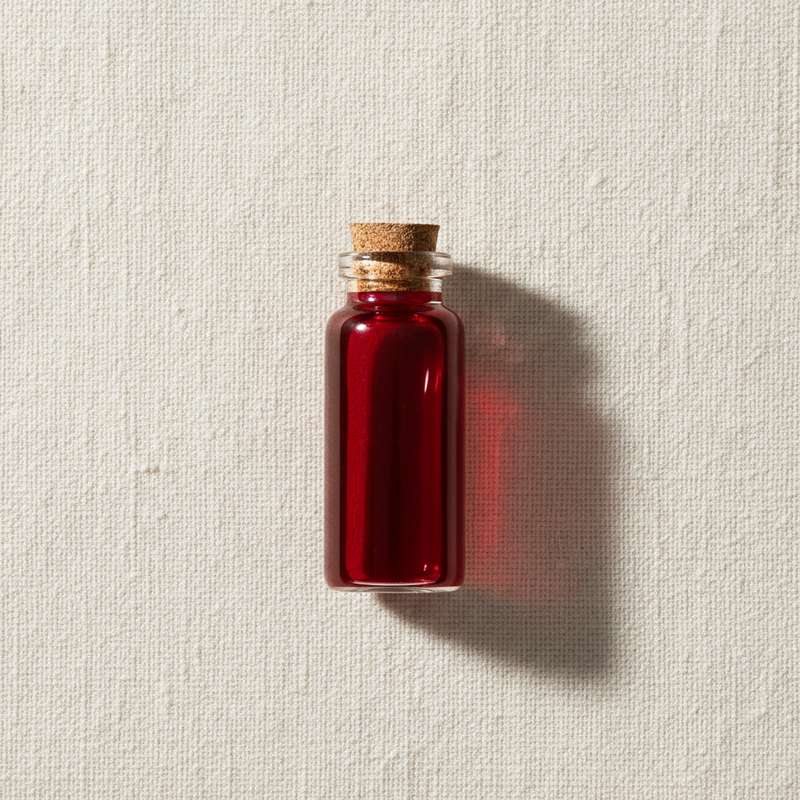
A natural astaxanthin oleoresin produced by supercritical CO2 extraction of Haematococcus pluvialis microalgae biomass, formulated in an edible oil carrier (typically high oleic sunflower or olive oil) at 5% to 10% astaxanthin content.
Dark red to deep red-brown viscous oil with a characteristic marine note. Astaxanthin in this form occurs predominantly as the mono- and di-fatty acid esters, the natural configuration in which the carotenoid is stored in microalgal cells.
We supply food-grade Astaxanthin Oil from manufacturers in China holding ISO, Halal, Kosher and other certifications relevant to the product and production. Non-GMO and 5%, 7%, 10%, and 12% concentration grades are available on request.
Common market grades include 5% Astaxanthin Oil (the most widely used softgel concentration), 10% Astaxanthin Oil (premium high-strength), and customized blends with vitamin E or fish oil for stability and synergistic antioxidant claims.
Bulk and reduced-MOQ shipments. Batch-level COA covering astaxanthin content (HPLC), carrier oil profile, peroxide value, heavy metals, and microbiology.
Introduction
Haematococcus pluvialis is a freshwater green microalga that accumulates astaxanthin to extraordinary levels (up to 4% to 5% of dry biomass) when subjected to environmental stress, principally high light and nitrogen depletion. The pigment serves as a photoprotective and antioxidant defense within the encysted cells.
Commercial production begins with controlled cultivation of vegetative Haematococcus cells in clean photobioreactors, followed by deliberate induction of cyst formation through stress. The red cyst biomass is harvested, dewatered, mechanically cracked to break the cyst wall, and extracted with supercritical CO2 or food-grade solvent. The crude oleoresin is then standardized in carrier oil to defined astaxanthin concentration.
Regulated as a Novel Food in the EU under Regulation 2017/2470 with permitted use levels in supplements (8 mg per day astaxanthin) and selected food categories. Recognized in the U.S. as Generally Recognized as Safe under specific notifications. Permitted in food and supplement use in China, Japan, and most major regulated markets.
The defining functional attribute is antioxidant capacity. Astaxanthin's polar end groups and conjugated polyene chain allow it to span lipid bilayers and quench both lipid-phase and aqueous-phase radicals, a structural feature unique among carotenoids. ORAC values are 6,000-fold higher than vitamin C and 800-fold higher than CoQ10 on a per-molecule basis in standardized assays.
The strategic positioning of the natural form (versus synthetic astaxanthin from chemical synthesis or yeast fermentation) rests on isomer composition: natural Haematococcus astaxanthin is dominantly the 3S,3'S stereoisomer present in marine food chains, while synthetic material is a mixture of 3R,3'R, meso, and 3S,3'S forms. Most clinical and supplement claims reference the natural form.
Where it is used
- Premium antioxidant softgel supplements; the most powerful natural carotenoid antioxidant by ORAC measurement
- Eye health and vision support formulations; astaxanthin crosses the blood-retinal barrier
- Skin health and beauty-from-within supplements; published clinical data on UV-induced skin damage protection
- Sports nutrition and recovery products; documented effects on exercise-induced oxidative stress markers
- Cardiovascular and lipid-management supplement blends
- Premium cosmetic and skincare serums, creams, and lip products
- Functional beverage applications (with appropriate emulsion technology)
- Pet supplement applications for senior animals and performance breeds
- Coloring and functional ingredient for premium pet food and aquaculture feeds
Technical data
| Item | Specification |
|---|---|
| Appearance | Dark red to deep red-brown viscous oil |
| Astaxanthin content (HPLC) | ≥ 5.0% (customizable 5% to 12%) |
| Astaxanthin isomer profile | ≥ 70% all-trans 3S,3'S |
| Oleic acid (carrier, C18:1) | 50% to 75% |
| Linoleic acid (carrier, C18:2) | 10% to 25% |
| Peroxide value | ≤ 5.0 meq/kg |
| Acid value | ≤ 2.0 mg KOH/g |
| Moisture | ≤ 0.2% |
| Heavy metals (as Pb) | ≤ 0.5 mg/kg |
| Arsenic | ≤ 0.5 mg/kg |
| Source | Supercritical CO2 extract of Haematococcus pluvialis in edible oil carrier |
Related ingredients
Ready to discuss business?
Send us your spec and requirement. We will respond with availability and pricing within 24 hours.