
Description
A three-component synergistic blend extending the standard Sodium Lactate plus Sodium Diacetate Listeria-control system with added Sodium Acetate buffering. Selected for ready-to-eat meat formulations requiring pH stability alongside Listeria suppression, particularly in low-sodium reformulation contexts.
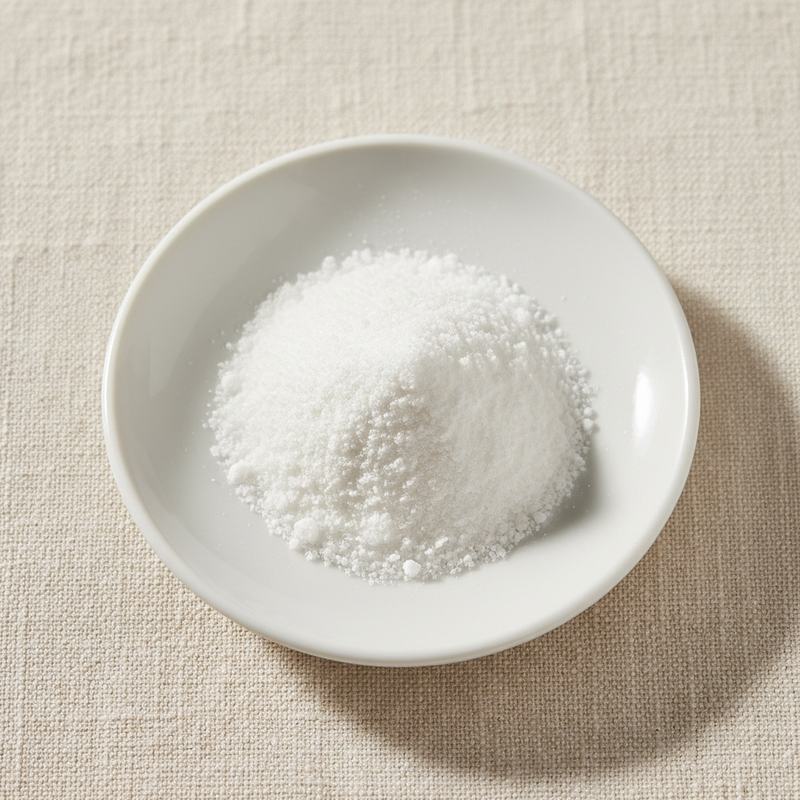
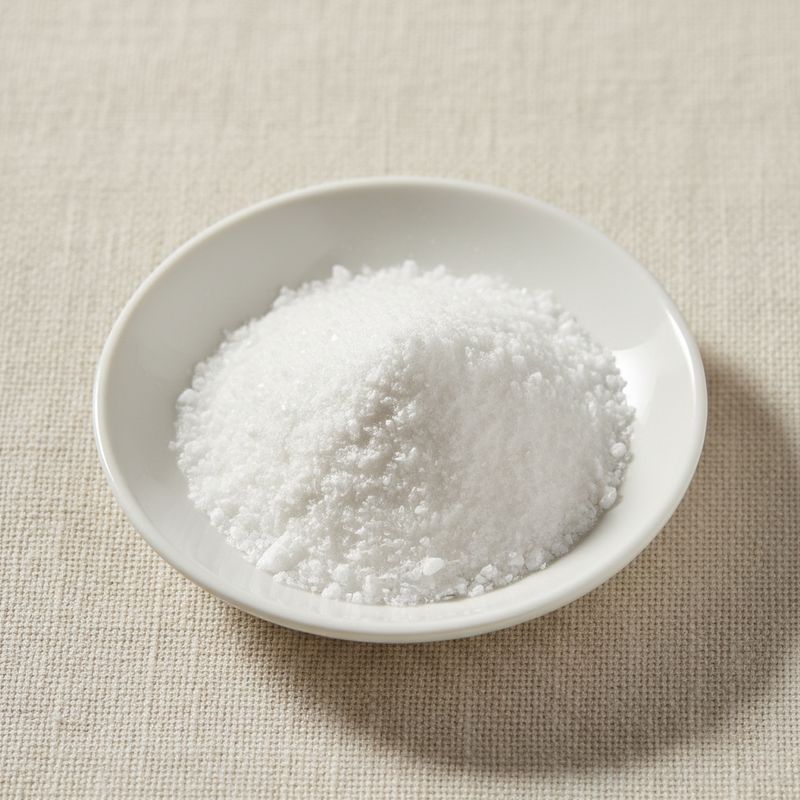
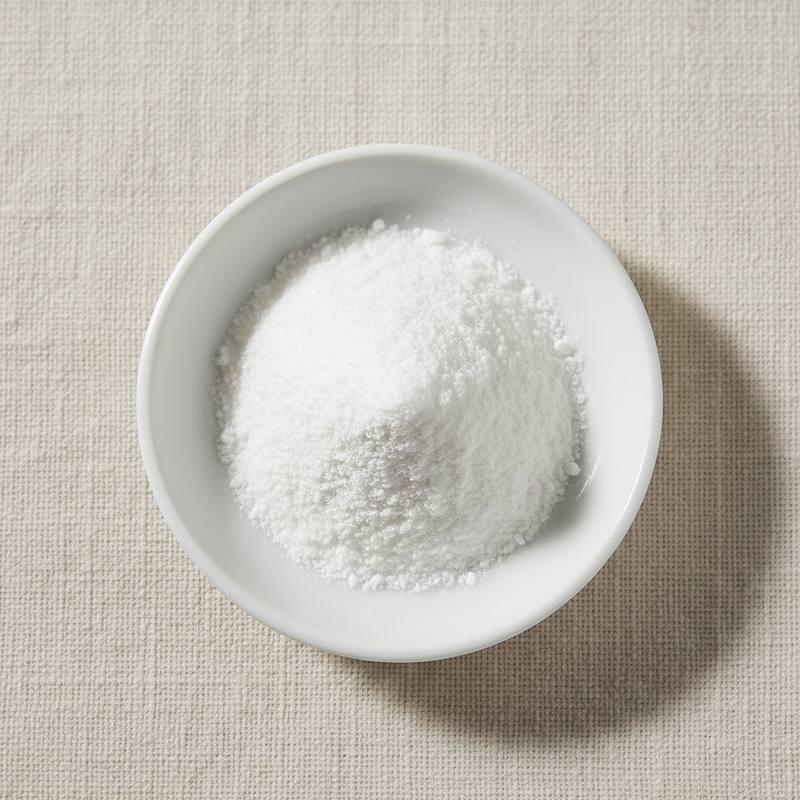
White to off-white powder or clear liquid. Highly water-soluble. Triple-component buffering smooths the acidic note that pure Sodium Diacetate can contribute, allowing milder flavor profiles in lighter-flavored meat applications.
We supply food-grade Sodium Lactate, Sodium Acetate and Sodium Diacetate Blend from manufacturers in China holding ISO, Halal, Kosher and other certifications relevant to the product and production.
Common market grades include Standard Liquid Blend and Powder Blend at customer-specified ratios, typically combining 50 to 70 percent Sodium Lactate, 5 to 15 percent Sodium Acetate, and 1 to 3 percent Sodium Diacetate as the core composition.
Bulk and reduced-MOQ shipments. Batch-level COA covering each component content, pH, heavy metals, and microbiology.
Introduction
The three-component lactate-acetate-diacetate blend extends the standard two-component Listeria-control system with Sodium Acetate as a buffering component. The added acetate buffers the formulation pH around 5 to 5.5, smoothing the sharp acidic note that pure Sodium Diacetate contributes when used at the levels required for Listeria suppression.
The mechanism is the same weak-acid synergy as the two-component system: Sodium Lactate suppresses water activity and bacterial growth broadly, Sodium Diacetate provides direct weak-acid antimicrobial activity against Listeria, and Sodium Acetate contributes additional buffering capacity and flavor smoothing without altering the mechanism.
Regulated as E325 (Sodium Lactate) and E262 (Sodium Acetate and Sodium Diacetate) in the EU. All three components are classified as Generally Recognized as Safe by the U.S. FDA, with the blend approved as a USDA Listeria post-lethality treatment under 9 CFR 430.
Industrial production proceeds by standardized blending of Sodium Lactate (60 percent aqueous), Sodium Acetate, and Sodium Diacetate powders or solutions at customer-specified ratios, followed by spray-drying or solution-stage standardization.
Strategic positioning targets the premium end of the ready-to-eat meat market where flavor profile carries product-differentiation value. Standard two-component blends remain dominant in commodity hot dog and bologna applications; the three-component system is preferred in premium turkey, ham, and roast beef where the cleaner flavor commands a price premium that offsets the higher ingredient cost.
Where it is used
- Ready-to-eat poultry and turkey products requiring milder flavor than pure diacetate blends
- Cooked sliced ham, roast beef, and premium deli meat
- Low-sodium reformulation of ready-to-eat meat where sodium load must be minimized
- Seafood: cooked shrimp, smoked salmon, and surimi-based products
- Cheese and dairy: Listeria-control in fresh cheese and processed cheese products
- Refrigerated meal-component products and pre-cooked meal systems
- Premium pet food preservation in clean-label refrigerated wet pet food
- Specialty applications requiring pH-buffered antimicrobial systems
Technical data
| Item | Specification |
|---|---|
| Appearance | White powder or clear pale yellow liquid |
| Sodium lactate content | 50.0% to 70.0% (per grade) |
| Sodium acetate content | 5.0% to 15.0% (per grade) |
| Sodium diacetate content | 1.0% to 3.0% (per grade) |
| pH | 5.0 to 6.0 |
| Heavy metals (as Pb) | ≤ 10 mg/kg |
| Arsenic | ≤ 3 mg/kg |
| Microbiology | Total plate count ≤ 1,000 cfu/g; Salmonella negative in 25 g |
Related ingredients

Ready to discuss business?
Send us your spec and requirement. We will respond with availability and pricing within 24 hours.