Description
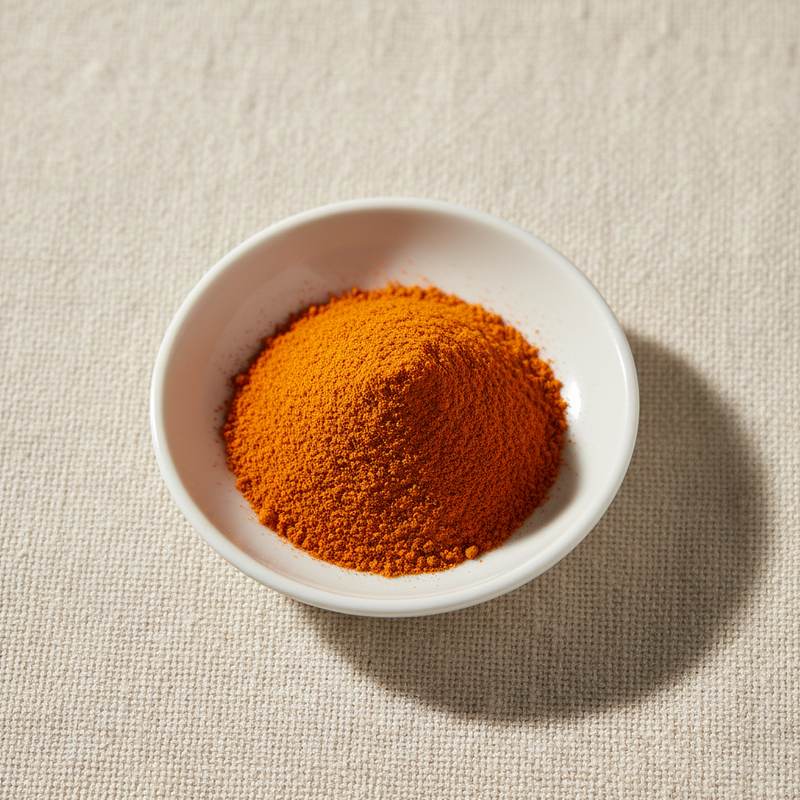
A natural golden-yellow to orange-yellow water-soluble colorant extracted from the stigmas of Crocus sativus (saffron) or from gardenia fruit, both of which contain the same active pigment. The principal chromophore is crocin, a water-soluble crocetin diglucoside that delivers a clean rich yellow with strong tinctorial power.
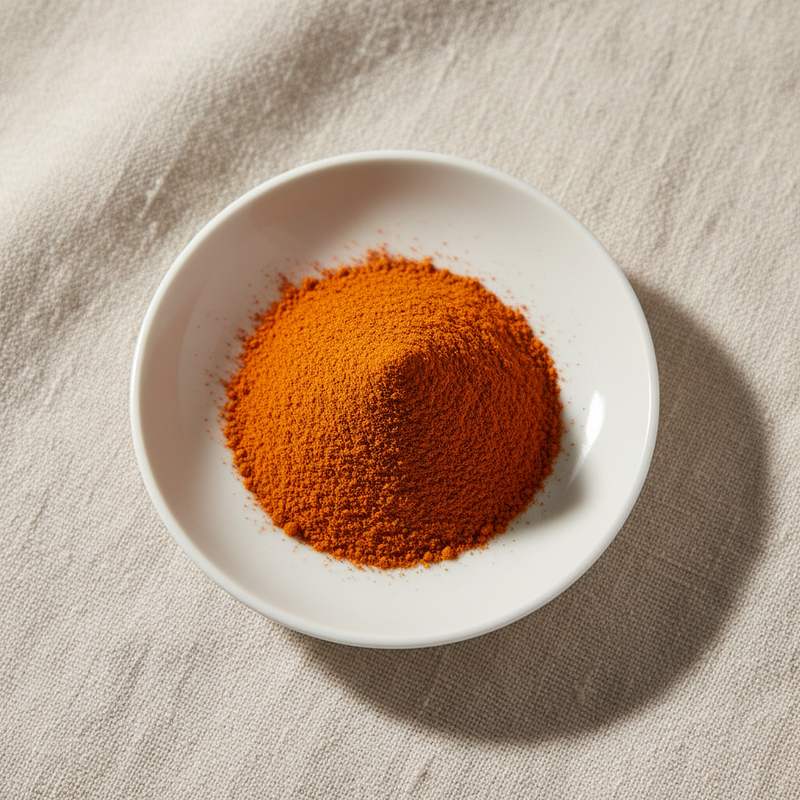
Yellow to orange-yellow free-flowing powder, or yellow to amber liquid concentrate. Highly water-soluble, oil-insoluble, and notably more heat-stable and light-stable than Curcumin in aqueous applications.
We supply food-grade Saffron Color from manufacturers in China holding ISO, Halal, Kosher and other certifications relevant to the product and production. Gardenia-derived material is the dominant commercial source given saffron stigma cost.
Common market grades are sold by color value as E1% at 440 nm: 100, 200, 300, 400, and 500. Higher color values reflect more concentrated crocin and lower carrier load. Crocin purity grades from 25 percent to 80 percent are produced for specialty pharmaceutical and supplement use.
Bulk and reduced-MOQ shipments. Batch-level COA covering color value, crocin content, heavy metals, residual solvent, and microbiology.
Introduction
Saffron has been used as a food colorant, spice, and medicine since the Bronze Age, and remains the most expensive spice by weight in the global market. Industrial use of crocin-based colorants developed in East Asia, where gardenia fruit was identified as a cost-effective source of the same crocin pigment without saffron's labor-intensive stigma harvest.
Production starts from gardenia fruit (Gardenia jasminoides) for commodity volumes, or from saffron stigmas for premium niche use. The plant material is extracted with water or ethanol, the crocin-rich extract is purified by membrane filtration and concentration, and the product is either packed as liquid or spray-dried to defined color strength.
Gardenia-derived crocin is approved in Japan, China, South Korea, and much of Southeast Asia as a natural colorant. In the EU it is permitted as a fruit and vegetable concentrate within the broader natural-coloring-food framework rather than as an E-numbered additive. The U.S. FDA permits saffron as a color additive exempt from certification, with gardenia material assessed under separate regulatory pathways. Exporters should verify destination market status before shipment.
The technical profile is strong: stable through baking, pasteurization, and short retort cycles, broad pH stability from 3 to 8, and good light stability in opaque or low-light packaging. Crocin is the natural yellow colorant of choice for aqueous applications where Curcumin's oil-solubility, light sensitivity, and alkaline color shift are limitations.
Strategically, Saffron Color (gardenia crocin) is positioned as the premium natural yellow for processed beverages, dairy, and confectionery in Asian markets and a growing clean-label alternative to Curcumin and Tartrazine globally.
Where it is used
- Asian noodles, rice dishes, and traditional yellow rice preparations including biryani and paella-style products
- Sugar confectionery, gummies, and panned candies requiring rich golden-yellow shades
- Beverages including soft drinks, sports drinks, and flavored waters where heat stability is required
- Bakery applications including sponge cakes, custards, and frostings
- Dairy products including flavored yogurts, ice cream, and processed cheese
- Liqueurs and alcoholic beverages where natural golden color is required
- Pharmaceutical syrups, chewable tablets, and capsules
- Pet food and premium pet treats positioned for clean label
Technical data
| Item | Specification |
|---|---|
| Appearance | Yellow to orange-yellow powder or amber liquid |
| Source | Crocus sativus stigmas or Gardenia jasminoides fruit |
| Color value (E1%, 1cm, 440 nm) | 100, 200, 300, 400, or 500 (per grade) |
| Crocin content | 25% to 80% (per grade) |
| Solubility | Freely soluble in water; insoluble in oil |
| Light stability | Good in opaque packaging |
| Heat stability | Good; stable through baking and pasteurization |
| pH stability range | 3.0 to 8.0 |
| Loss on drying | ≤ 6.0% |
| Lead | ≤ 2 mg/kg |
| Arsenic | ≤ 1 mg/kg |
| Total plate count | ≤ 1000 CFU/g |
Related ingredients
Ready to discuss business?
Send us your spec and requirement. We will respond with availability and pricing within 24 hours.