Description
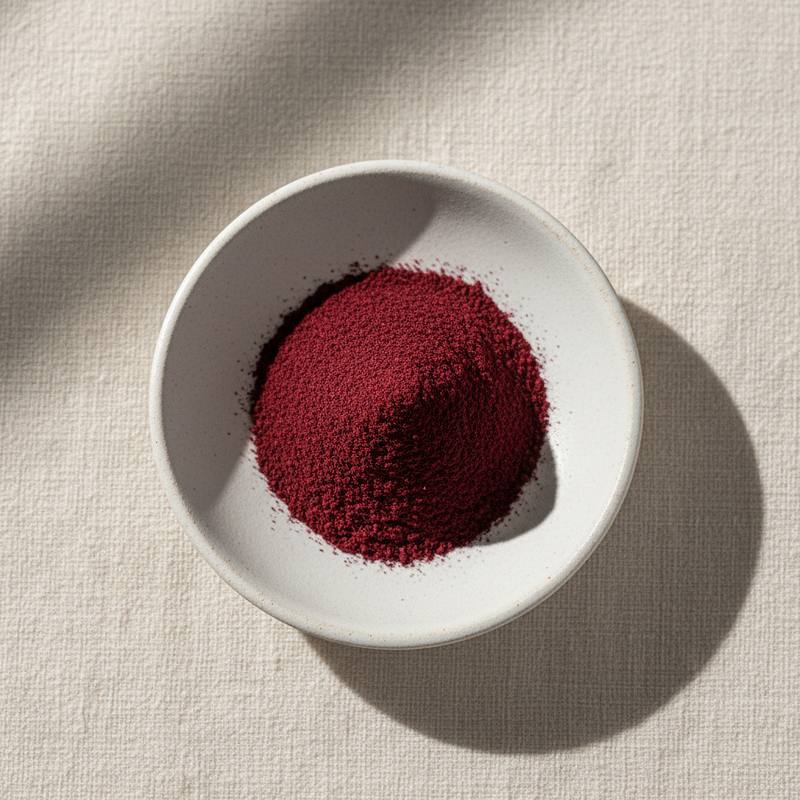
The principal water-soluble carotenoid pigment of saffron (Crocus sativus stigmas), a digentiobiose ester of crocetin responsible for the deep yellow-orange coloration of saffron-prepared foods. Also a documented active for mood-support and eye-health supplement applications based on a growing body of clinical research.
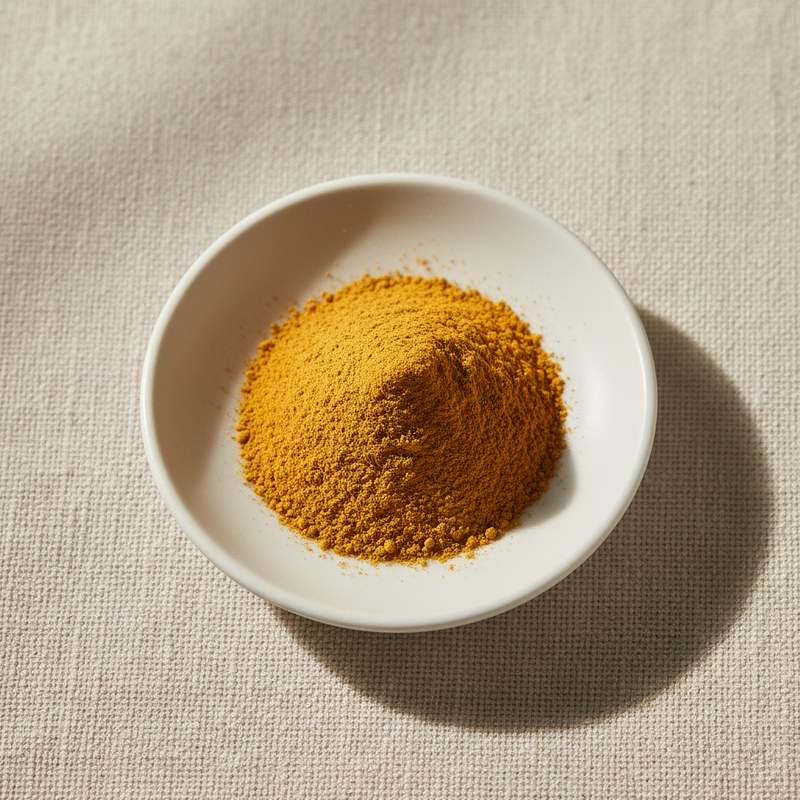
Deep red to orange-red free-flowing powder, producing intense yellow-orange aqueous solutions. Highly water-soluble (unlike most carotenoids).
We supply food-grade Crocin from manufacturers in China holding ISO, Halal, Kosher and other certifications relevant to the product and production.
Common market grades include Crocin 5 percent / 20 percent / 50 percent / 90 percent / 98 percent (purification grades), and standardized saffron extracts at 0.3 percent and 2 percent crocins (the dominant supplement standardizations corresponding to the doses used in the published mood-and-vision clinical literature).
Bulk and reduced-MOQ shipments. Batch-level COA covering crocin content (HPLC and UV at 440 nm), safranal content where applicable, source identity verification (commercially critical due to high saffron prices), residual solvents, heavy metals, and microbiology.
Introduction
Saffron has been used as both a spice and medicine across Persian, Mediterranean, and Indian cultures for over 3,000 years and remains the most expensive spice in the world by weight. The principal coloring constituents are the crocins, glycosidic esters of the apocarotenoid crocetin. Modern interest in saffron supplements has accelerated dramatically since the late 2000s following multiple controlled clinical trials demonstrating efficacy comparable to standard antidepressant medications in mild-to-moderate depression at 30 mg per day of standardized saffron extract.
Industrial production proceeds by aqueous extraction of saffron stigmas, followed by chromatographic purification to enrich crocin content. Authentic saffron-derived crocin remains expensive, and gardenia (Gardenia jasminoides) fruit, which contains the same crocin compounds, is the principal alternative source for natural-color and certain supplement applications, supplied at substantially lower cost.
Recognized as a permitted food ingredient by the U.S. FDA, the European Food Safety Authority, and equivalent regulators worldwide. Crocin from gardenia is approved as a natural food color in Japan, Korea, and several other markets.
Identity testing is commercially critical because saffron-source crocin and gardenia-source crocin trade at very different prices despite containing the same active compound, and authentication by HPLC fingerprint and DNA testing is increasingly standard in the premium supplement segment.
Strategic positioning targets the emerging premium mood-support supplement category and the established natural-color applications.
Where it is used
- Mood-support dietary supplements: the fastest-growing clinical-evidence-supported application
- Eye-health and vision-support supplement formulations
- Premium natural food coloring: yellow-orange color in confectionery, rice, and dairy
- Cognitive-support and mental-performance supplements
- Sleep-support and relaxation-positioned supplements
- Pharmaceutical research: depression, Alzheimer's, and macular degeneration applications
- Premium cosmetic skincare: anti-aging and complexion-brightening formulations
- Traditional Persian and Mediterranean herbal medicine product formulations
Technical data
| Item | Specification |
|---|---|
| Appearance | Deep red to orange-red free-flowing powder |
| Crocin content (HPLC) | 5% / 20% / 50% / 90% / 98% |
| Color value (E 1% 1cm at 440 nm) | ≥ 200 (saffron-extract grades) |
| Safranal (when applicable) | standardized per supplier specification |
| Loss on drying | ≤ 5.0% |
| Heavy metals (as Pb) | ≤ 2 mg/kg |
| Total plate count | ≤ 1000 cfu/g |
| Source | Crocus sativus stigmas or Gardenia jasminoides fruit (source-declared) |
Related ingredients
Ready to discuss business?
Send us your spec and requirement. We will respond with availability and pricing within 24 hours.