Description
A polyphenolic curcuminoid isolated from turmeric rhizome (Curcuma longa), standardized to defined curcumin or total curcuminoid content. The dominant anti-inflammatory and joint-support botanical supplement ingredient globally by retail volume.
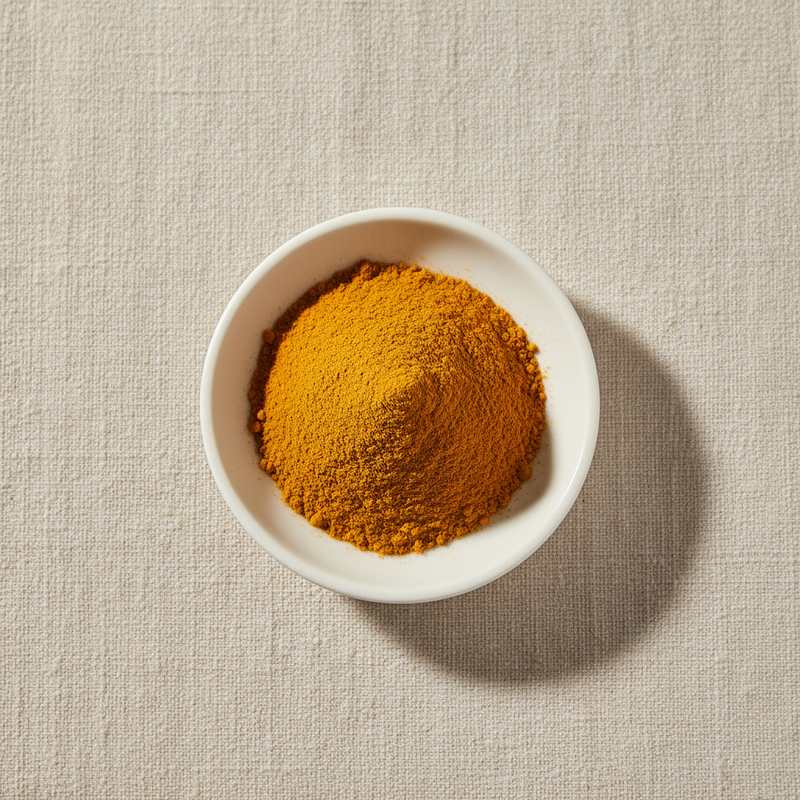
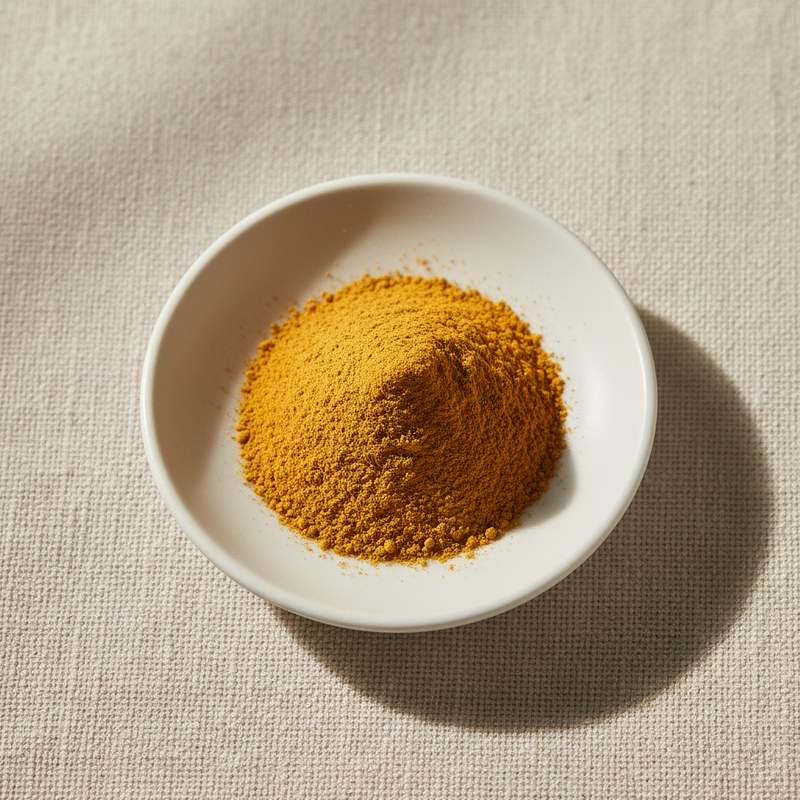
Bright yellow to orange-yellow free-flowing powder. Very limited water solubility; soluble in alcohol, alkali, and DMSO. The native solubility limitation has driven extensive development of bioavailability-enhanced curcumin formats.
We supply food-grade Curcumin from manufacturers in China holding ISO, Halal, Kosher and other certifications relevant to the product and production. Organic-certified grades are available.
Common market grades include 95 percent Curcuminoids (the supplement workhorse grade), 98 percent Pure Curcumin (premium and pharmaceutical grade), Curcumin C3 Complex-style standardized grade (with defined curcumin / demethoxycurcumin / bisdemethoxycurcumin ratio), and bioavailability-enhanced formats including liposomal curcumin, micelle curcumin, and phytosome curcumin. Natural food colorant grade is supplied separately.
Bulk and reduced-MOQ shipments. Batch-level COA covering total curcuminoids (HPLC), curcumin / demethoxycurcumin / bisdemethoxycurcumin ratio, residual solvents, heavy metals, pesticides, and microbiology.
Introduction
Turmeric has been used in Ayurvedic and traditional Chinese medicine for over 4,000 years for inflammatory and digestive conditions. Curcumin is the principal yellow pigment and the most extensively studied of the three curcuminoids in turmeric rhizome.
Industrial production proceeds by solvent extraction of dried turmeric rhizome, crystallization to remove the volatile oil fraction, and chromatographic purification to defined curcuminoid grades. The natural curcuminoid ratio in turmeric is approximately 77 percent curcumin, 17 percent demethoxycurcumin, and 6 percent bisdemethoxycurcumin.
Regulated as E100 in the EU (food colorant approval), classified as Generally Recognized as Safe by the U.S. FDA, and approved by JECFA with an Acceptable Daily Intake of 3 mg per kg body weight.
Clinical evidence supports curcumin for osteoarthritis pain and inflammation markers, with the strongest results obtained using bioavailability-enhanced formats that overcome the native compound's very poor oral absorption. Pharmaceutical-grade curcumin underpins ongoing oncology and metabolic-disease research programs.
Strategic positioning combines joint-health and anti-inflammatory dietary supplements (the highest unit-value segment), functional foods and golden-milk beverages (the fastest-growing segment), and natural food coloring applications in regulated markets.
Where it is used
- Joint-health and anti-inflammatory dietary supplements (the dominant commercial application)
- Liver-support and detoxification formulations
- Functional beverages: golden milk lattes, wellness shots, and anti-inflammatory drinks
- Natural food colorant E100: yellow coloring in dairy, beverages, and confectionery
- Cosmetic skincare: anti-inflammatory and brightening formulations
- Sports nutrition: recovery and anti-inflammatory-positioned products
- Pharmaceutical research applications
- Pet supplements positioned for senior joint health
Technical data
| Item | Specification |
|---|---|
| Appearance | Bright yellow to orange-yellow free-flowing powder |
| Total curcuminoids (HPLC) | ≥ 95% / 98% (grade dependent) |
| Curcumin (HPLC) | ≥ 75% of total curcuminoids |
| Particle size | 95% pass 80 mesh |
| Loss on drying | ≤ 5.0% |
| Residue on ignition | ≤ 1.0% |
| Heavy metals (as Pb) | ≤ 2 mg/kg |
| Total plate count | ≤ 1000 cfu/g |
| Source | Curcuma longa rhizome |
Related ingredients
Ready to discuss business?
Send us your spec and requirement. We will respond with availability and pricing within 24 hours.