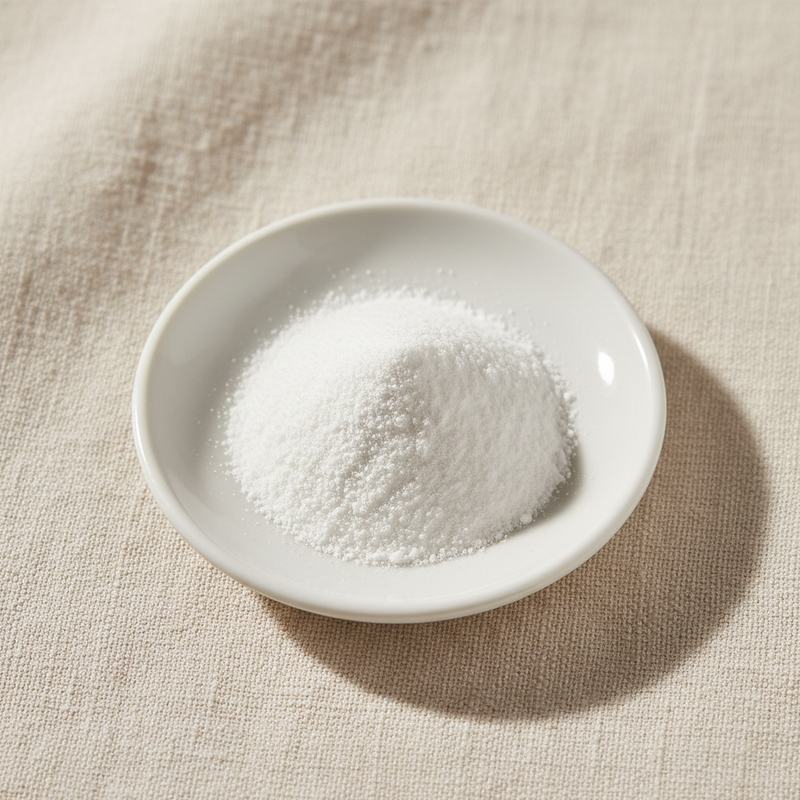
Description
The potassium salt form of Benzoic Acid, providing the same preservative function as Sodium Benzoate but contributing potassium rather than sodium. Used in low-sodium and reduced-sodium product reformulation.
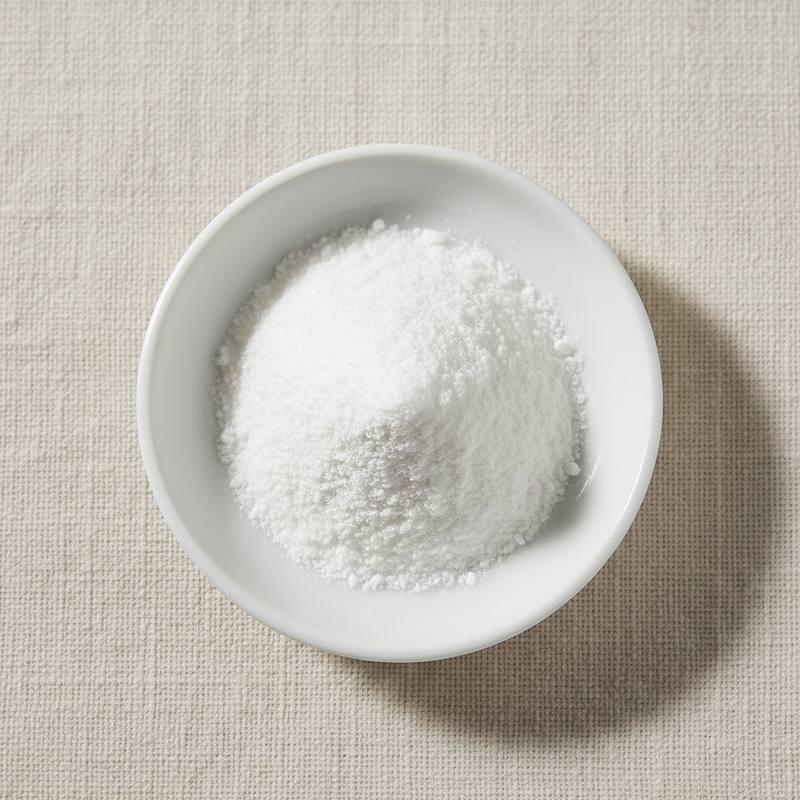
White crystalline powder or granules. Highly water-soluble. Active against yeasts, molds, and acid-tolerant bacteria in pH below 4.5 applications.
We supply food-grade and pharmaceutical-grade Potassium Benzoate from manufacturers in China holding ISO, Halal, Kosher and other certifications relevant to the product and production.
Common market grades include Standard Food Grade (FCC compliant), Pharmaceutical Grade meeting BP/USP specifications, and specialty mesh sizes for direct compression and dry-blend applications.
Bulk and reduced-MOQ shipments. Batch-level COA covering assay, chloride, sulphate, heavy metals, and microbiology.
Introduction
Potassium Benzoate is functionally equivalent to Sodium Benzoate as a preservative, with the only difference being the potassium counter-ion replacing sodium. Industrial production proceeds by neutralization of Benzoic Acid with potassium hydroxide or potassium carbonate.
Regulated as E212 in the EU, classified as Generally Recognized as Safe by the U.S. FDA, and approved by JECFA with the same 5 mg per kg body weight Acceptable Daily Intake as Sodium Benzoate (expressed as benzoic acid equivalents).
The molecule's antimicrobial mechanism is identical to Sodium Benzoate: the active species is undissociated Benzoic Acid, with the dissociated benzoate ion having limited antimicrobial function. The pH dependence governed by the benzoic acid pKa of 4.19 applies identically.
Strategic positioning targets the sodium-reduction reformulation segment specifically. Modern public-health pressure on dietary sodium has driven branded food manufacturers toward potassium salts wherever functionally equivalent: Potassium Benzoate replaces Sodium Benzoate, Potassium Sorbate already dominates over the largely unused Sodium Sorbate, and Potassium Chloride partially replaces salt itself.
Cost is meaningfully higher than Sodium Benzoate, which is why use is concentrated in products explicitly marketed for sodium-reduction or in regulated markets with mandatory sodium-content restrictions.
Where it is used
- Low-sodium and reduced-sodium beverage preservation: low-salt soft drinks and juice drinks
- Low-sodium pickle products and acidic condiments
- Diabetic and clinical-nutrition products requiring sodium-restricted preservation
- Pharmaceutical syrups and oral solutions where sodium load matters
- Cosmetic and personal-care products in low-sodium positioning
- Manufacturing alternative to Sodium Benzoate in markets with sodium-restriction regulations
- Animal feed and pet food preservation
- Specialty applications including kosher and dietary-restriction preservation needs
Technical data
| Item | Specification |
|---|---|
| Appearance | White crystalline powder or granules |
| Assay (dry basis) | 99.0% to 100.5% |
| Loss on drying | ≤ 1.5% |
| Heavy metals (as Pb) | ≤ 10 mg/kg |
| Arsenic | ≤ 3 mg/kg |
| Chloride | ≤ 200 mg/kg |
| Acidity or alkalinity | Passes test |
| Particle size | Per customer specification |
Related ingredients
Ready to discuss business?
Send us your spec and requirement. We will respond with availability and pricing within 24 hours.