Description
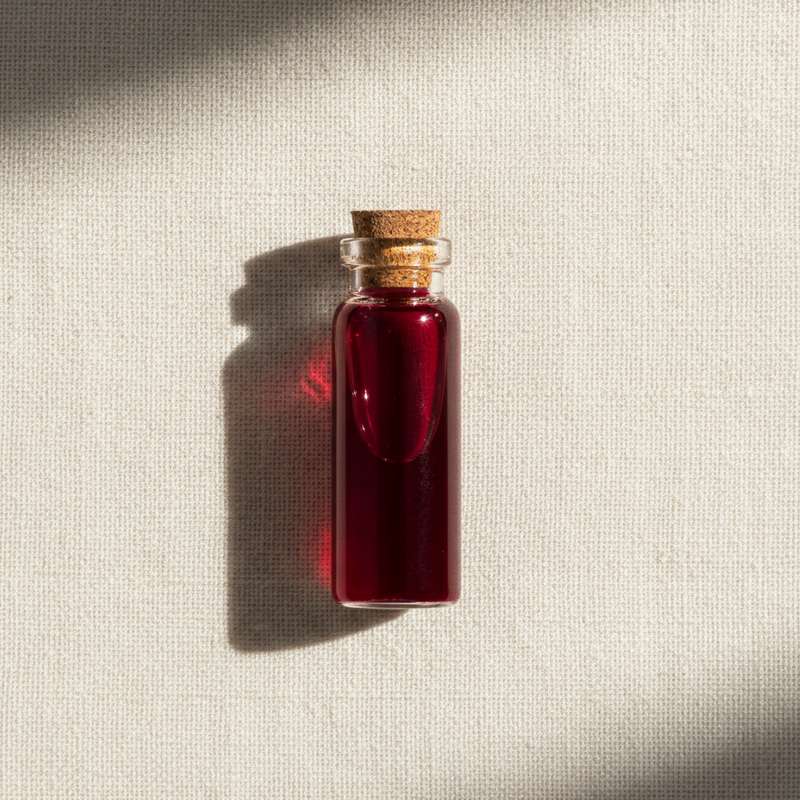
Single-strength pomegranate juice concentrated to 65 to 68 Brix by low-temperature vacuum evaporation, retaining the fruit's characteristic deep red color, tart-sweet flavor, and signature polyphenol profile of punicalagins and anthocyanins.
Dark red viscous liquid with pH between 2.8 and 3.5 and natural acidity expressed as 6 to 9 percent citric acid. Available in clarified (filtered) and cloudy (centrifuged only) presentations.
We supply food-grade Pomegranate Juice Concentrate from manufacturers in China and contract sources in Iran, Turkey, and Azerbaijan holding ISO, Halal, Kosher, and where applicable EU and USDA organic certifications.
Common market grades include 65 Brix clarified for clear beverage formats, 65 Brix cloudy for natural-positioning juice drinks, organic-certified concentrate from EU and USDA NOP suppliers, and polyphenol-standardized grade declaring minimum punicalagin and anthocyanin content for nutraceutical use.
Bulk and reduced-MOQ shipments. Batch-level COA covering Brix, pH, acidity, anthocyanins, total plate count, and yeast and mould.
Introduction
Pomegranate juice is produced by mechanical pressing of pomegranate arils harvested at full ripeness, typically October through January in Iran and Turkey and December through April in counter-seasonal sources. The fresh juice is centrifuged or filtered, then concentrated under vacuum at temperatures below 45 °C to preserve heat-sensitive anthocyanins and ellagitannins.
The polyphenol profile is the principal source of pomegranate's commercial value beyond flavor. Punicalagins, the dominant ellagitannins in the fruit, are unique to pomegranate and convert in the human gut to urolithins, which the published literature associates with anti-inflammatory and cardiovascular benefits. Anthocyanin content delivers both the deep red color and a substantial fraction of in-vitro antioxidant activity.
Authentication is a known industry challenge: the high market price of pomegranate concentrate has historically attracted economic adulteration with cheaper red fruit concentrates including grape, aronia, and cherry. Reputable suppliers screen each batch by HPLC for the characteristic punicalagin and ellagic acid markers and provide isotope-ratio mass spectrometry data on request.
Regulatory status is straightforward: pomegranate juice and concentrate are recognized food ingredients in every major market with no per-product use limit. Health claims around pomegranate are restricted under EU and U.S. labeling rules to those backed by qualifying clinical trials.
Where it is used
- Premium juice and juice-blend beverages featuring superfruit positioning
- Functional beverages claiming heart-health, antioxidant, or anti-inflammatory benefits
- Ready-to-drink and powdered smoothies, wellness shots, and detox drinks
- Pomegranate-flavored sparkling water, kombucha, and tea blends
- Sauces, glazes, and marinades including pomegranate molasses applications
- Confectionery, gummies, and fruit chews requiring authentic pomegranate color and flavor
- Nutraceutical capsules and tablets standardized to punicalagin content
- Cosmetic and skin-care formulations leveraging pomegranate polyphenols
- Specialty cocktail mixers and grenadine-style beverage syrups
Technical data
| Item | Specification |
|---|---|
| Appearance | Dark red viscous liquid |
| Brix | 65 to 68 |
| pH | 2.8 to 3.5 |
| Acidity (as citric acid) | 6 to 9% |
| Anthocyanins | ≥ 500 mg/kg |
| Punicalagins | ≥ 1,000 mg/kg (standardized grade) |
| Brix to acid ratio | 7 to 11 |
| Total plate count | ≤ 1,000 cfu/g |
| Yeast and mould | ≤ 100 cfu/g |
| Heavy metals (as Pb) | ≤ 1 mg/kg |
| Organic certification | EU / USDA NOP (organic grade) |
Related ingredients
Ready to discuss business?
Send us your spec and requirement. We will respond with availability and pricing within 24 hours.