Description
A cold-water-soluble spray-dried extract of fermented black tea leaves, delivering authentic black tea color, flavor, and tannin profile without brewing equipment or leaf handling at the beverage plant.
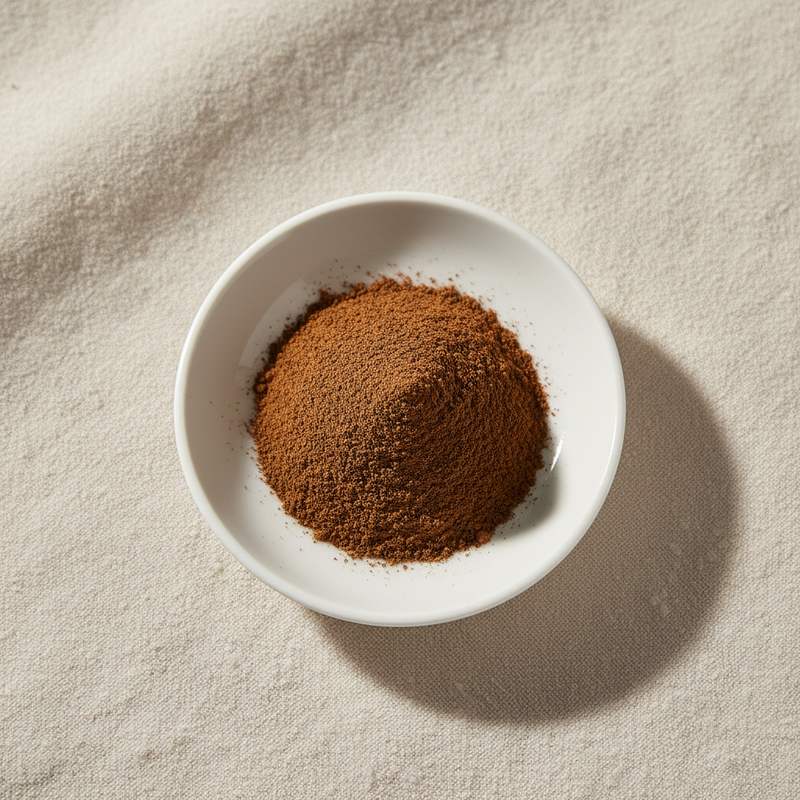
Reddish-brown to dark brown fine powder. Dissolves cleanly in cold and hot water with no sediment or off-flavor. Standardized for tea polyphenol content, theaflavin level, and caffeine, with optional decaffeinated grades available.
We supply food-grade Instant Black Tea Extract from manufacturers in China holding ISO, Halal, Kosher and other certifications relevant to the product and production.
Common market grades include conventional spray-dried black tea (60-mesh) for hot tea applications, cold-water-soluble (CWS) grade for clear iced tea where enzymatic cream formation must be prevented, organic-certified black tea extract from EU and USDA NOP suppliers, and instant theaflavin-enriched grade standardized to 1 to 5 percent theaflavins for functional beverage positioning.
Bulk and reduced-MOQ shipments. Batch-level COA covering moisture, polyphenols, caffeine, particle size, and microbiology.
Introduction
Instant Black Tea Extract is produced from selected CTC or orthodox black tea leaves through hot-water infusion, centrifugation to remove leaf solids, low-temperature vacuum concentration, and spray drying. The result is a fine free-flowing powder that reconstitutes in seconds to a consistent tea color, aroma, and flavor.
The cold-water-soluble grade is produced by enzymatic treatment with tannase, which cleaves the cream-forming gallate-catechin complexes responsible for the cloudiness called tea cream that develops when conventional black tea cools. CWS grade is the standard input for bottled iced tea where consumers reject cloudy product on shelf.
Black tea polyphenols differ from green tea in chemistry: during fermentation, catechins polymerize through polyphenol oxidase into theaflavins (2 to 6 percent in good black tea) and thearubigins (10 to 20 percent), which together deliver the characteristic brisk astringency and red-brown color of brewed tea. Theaflavins carry their own functional positioning around cardiovascular and metabolic health.
Standardization options at the extract level let beverage formulators target a specific caffeine, polyphenol, or theaflavin profile per serving without juggling crop variability at the leaf level, which is the principal reason large RTD producers prefer extract input over brewed concentrate.
Where it is used
- Ready-to-drink iced tea in bottles, cans, and aseptic cartons
- Instant milk tea sachets and 3-in-1 lemon tea mixes
- Bubble tea bases for foodservice and bottled bubble tea products
- Vending machine hot and cold tea drinks
- Functional beverages featuring tea polyphenol and theaflavin content claims
- Tea-flavored kombucha, kefir, and fermented drinks
- Tea-based alcoholic beverages, hard tea, and tea wine products
- Tea-flavored ice cream, yogurt, and frozen dessert applications
- Bakery and confectionery for tea-flavored cookies, candies, and chocolate
Technical data
| Item | Specification |
|---|---|
| Appearance | Reddish-brown to dark brown fine powder |
| Odor and taste | Typical black tea aroma and taste |
| Solubility | Cold-water soluble, no sediment |
| Moisture | ≤ 6.0% |
| Ash | ≤ 18.0% |
| Caffeine | 6.0 to 12.0% |
| Theaflavins | ≥ 1.0% |
| Tea polyphenols | 15.0 to 35.0% |
| Particle size | 60 mesh pass ≥ 95% |
| Heavy metals (as Pb) | ≤ 2.0 mg/kg |
| Total plate count | ≤ 1,000 cfu/g |
| E. coli / Salmonella | Negative |
Related ingredients
Ready to discuss business?
Send us your spec and requirement. We will respond with availability and pricing within 24 hours.