Description
Tannase (tannin acyl hydrolase) catalyses the hydrolysis of ester and depside bonds in hydrolysable tannins, releasing gallic acid and glucose. In the beverage industry it is the principal enzyme for clearing tea cream haze and for industrial production of gallic acid.
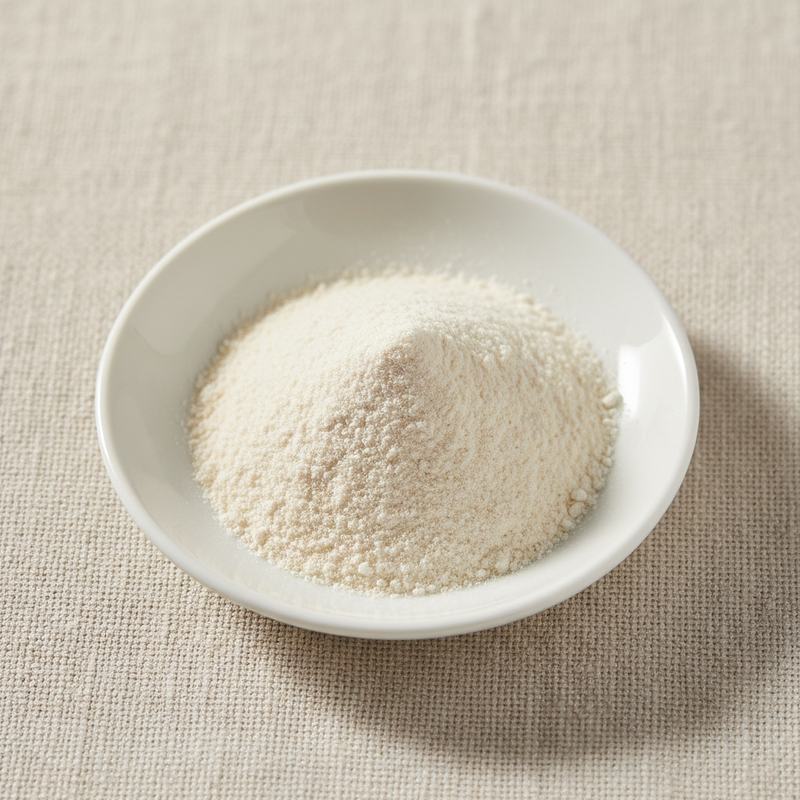
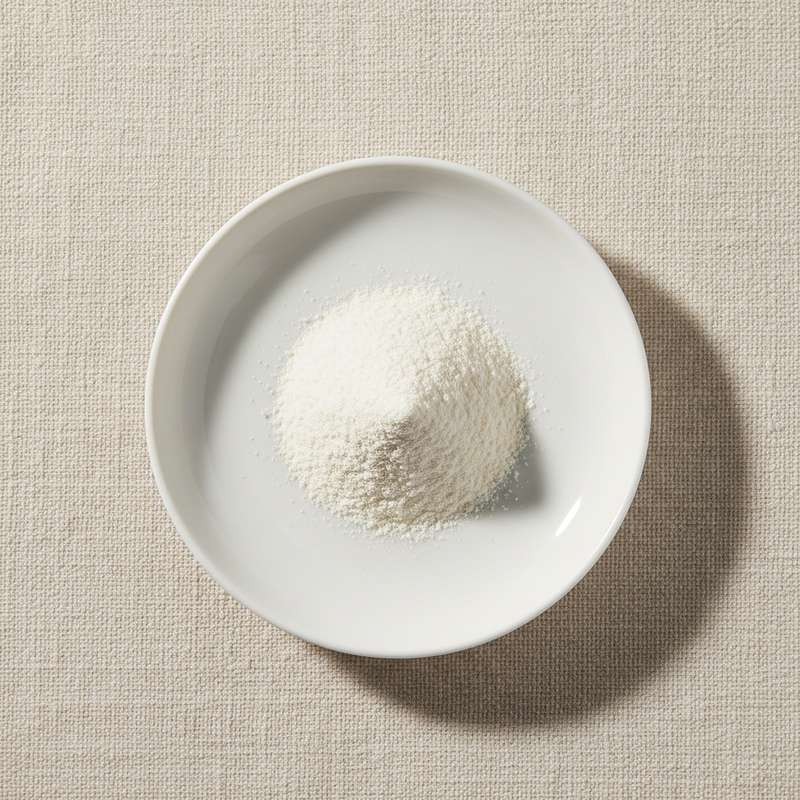
Light tan to off-white free-flowing powder, or amber liquid. Activity is standardised in Tannase Units (TU) defined as the amount of enzyme releasing one micromole of gallic acid per minute from methyl gallate.
We supply food-grade Tannase from manufacturers in China holding ISO 22000, Halal, Kosher and other certifications relevant to the product and production. Aspergillus oryzae, Aspergillus niger and Penicillium chrysogenum are the dominant source organisms.
Common market grades include 500 TU/g standard beverage grade, 2,000 TU/g for instant tea processing, 10,000 TU/g concentrated for gallic acid production, and specialty grades tuned for wine and fruit juice astringency reduction.
Bulk and reduced-MOQ shipments. Batch-level COA covering activity, pH optimum, temperature optimum, moisture, heavy metals and microbiology.
Introduction
Tannase entered commercial food production in the 1970s alongside the rapid growth of the instant-tea and ready-to-drink tea industries. The enzyme remains the only practical industrial solution to the tea-cream haze problem, which arises from the cold precipitation of tannin-caffeine complexes in concentrated tea extracts.
Industrial production is by submerged or solid-state fermentation of Aspergillus and Penicillium strains. Solid-state fermentation on tannin-rich agricultural residues such as oak wood and tea stems remains a notable production route in parts of Asia where it offers cost advantages for crude grades.
The enzyme is Generally Recognized as Safe by the U.S. FDA from approved source organisms, listed in the JECFA enzyme compendium, and approved as a processing aid in the EU.
Mechanistically, tannase hydrolyses two distinct bond types in hydrolysable tannins: the ester bonds linking gallic acid to the central glucose moiety, and the depside bonds linking gallic acid residues to each other. Condensed tannins (proanthocyanidins) are not substrates for tannase and require alternative approaches.
Strategic positioning in industrial food processing is narrow but indispensable: tannase is the enabling enzyme of the global instant-tea industry, and downstream applications in gallic acid production, wine astringency control and fruit juice haze management round out a small but high-value market.
Where it is used
- Instant tea manufacture; clears tea cream haze and improves cold-water solubility of finished powder
- Iced tea and ready-to-drink tea beverages; prevents post-bottling haze formation
- Industrial production of gallic acid for pharmaceutical and food-additive use
- Production of propyl gallate antioxidant via gallic acid intermediates
- Wine astringency reduction in red wine and fruit wine processing
- Fruit juice processing; reduces tannin-related haze in apple, grape and persimmon juices
- Beer flavour and haze management in tannin-heavy mashes
- Coffee bitterness modulation in some specialty applications
- Pyrogallol production from gallic acid intermediates
Technical data
| Item | Specification |
|---|---|
| Appearance | Light tan to off-white powder or amber liquid |
| Activity | 500 to 10,000 TU/g or per customer specification |
| pH optimum | 5.0 to 6.0 |
| Temperature optimum | 30 °C to 40 °C |
| Moisture | ≤ 8.0% |
| Heavy metals (as Pb) | ≤ 10 mg/kg |
| Arsenic | ≤ 3 mg/kg |
| Total plate count | ≤ 50,000 CFU/g |
| Coliforms | ≤ 30 CFU/g |
| Salmonella | Absent in 25 g |
| E. coli | Absent in 25 g |
| Source organism | Aspergillus oryzae, Aspergillus niger or Penicillium chrysogenum |
Related ingredients
Ready to discuss business?
Send us your spec and requirement. We will respond with availability and pricing within 24 hours.