Description
The propyl ester of gallic acid, a synthetic phenolic antioxidant with three hydroxyl groups that provides strong chain-breaking activity in fats and oils. Frequently combined with BHA, BHT, and citric acid for synergistic protection in animal fats and fried snack applications.
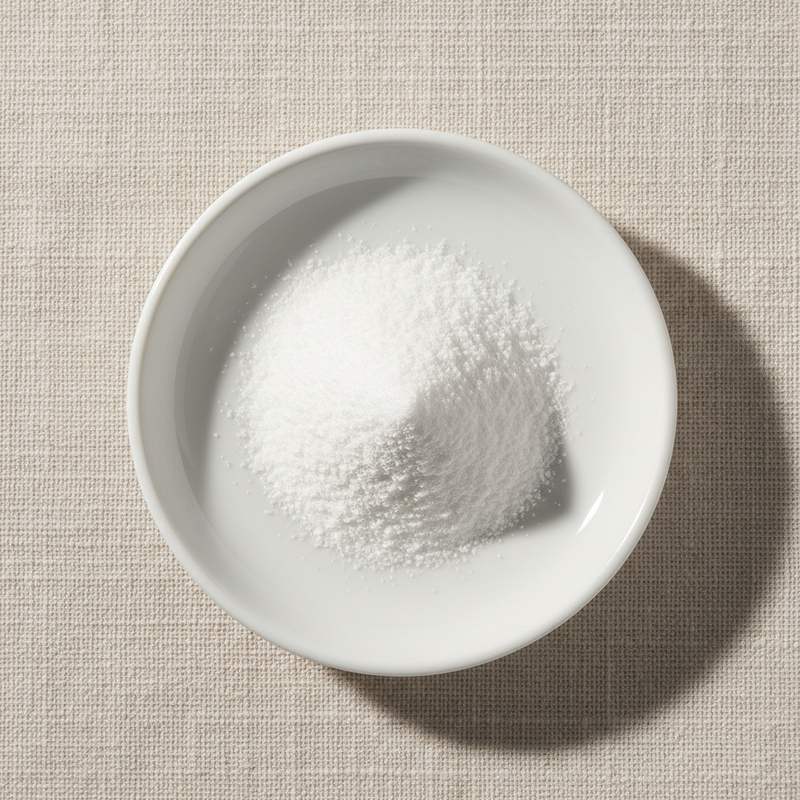
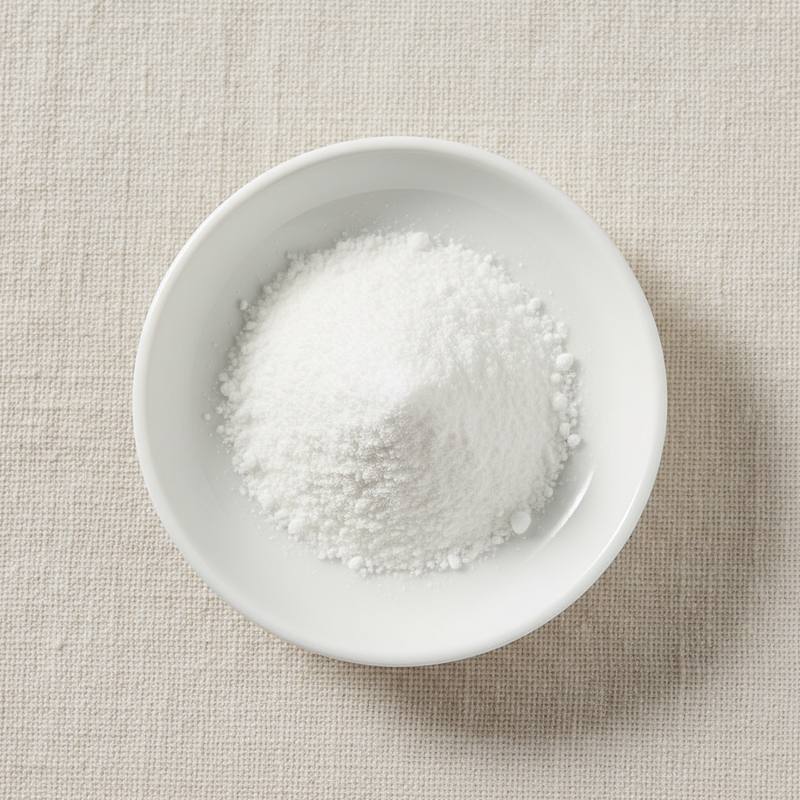
White to off-white crystalline powder. Limited water solubility, modest oil solubility. Sensitive to iron contamination, which produces dark discoloration through chelate formation, so processing equipment must avoid prolonged iron contact.
We supply food-grade Propyl Gallate from manufacturers in China holding ISO, Halal, Kosher and other certifications relevant to the product and production.
Common market grades include Standard Food Grade (FCC and EP compliant, 98 percent assay minimum) and pre-blended PG + BHA + citric acid synergist systems for high-performance fat protection at reduced single-component inclusion levels.
Bulk and reduced-MOQ shipments. Batch-level COA covering assay, melting range, free gallic acid, heavy metals, and microbiology.
Introduction
Propyl Gallate was introduced as a food antioxidant in the late 1940s, joining BHA and BHT as the first generation of synthetic phenolic antioxidants permitted for human food use.
Industrial production proceeds by esterification of gallic acid (3,4,5-trihydroxybenzoic acid) with n-propanol under acid catalysis, followed by purification and recrystallization. Gallic acid is sourced from tannin hydrolysis or by fermentation.
Regulated as E310 in the EU (with a permitted level of 200 mg per kg of fat, alone or in combination with other gallates and BHA), classified as Generally Recognized as Safe by the U.S. FDA when used at or below 0.02 percent of fat content, and approved by JECFA with an Acceptable Daily Intake of 1.4 mg per kg body weight.
The molecule's antioxidant mechanism involves hydrogen-atom donation from the three phenolic hydroxyl groups to peroxyl radicals, terminating lipid oxidation chains. The trihydroxy structure produces a more rapid radical-scavenging response than BHA or BHT in the initial phase of lipid oxidation, while the latter two provide more durable long-term protection.
Strategic position is mature. The principal use is in synergistic blends with BHA, BHT, and citric acid for animal-fat and fried-snack applications, where the combination outperforms any single antioxidant at equivalent total inclusion.
Where it is used
- Edible animal fats: lard, tallow, and butterfat oxidation protection
- Vegetable oils, fried snacks, and chip-style snack products
- Bakery shortening and fat-based bakery products
- Margarine, mayonnaise, and emulsion-based dressings
- Roasted and salted nuts; nut-based confectionery
- Cured meat and processed meat seasoning blends
- Chewing gum base applications
- Animal feed and pet food: protects fats and fat-soluble vitamins from oxidative degradation
- Cosmetic and personal-care oil-based products
- Pre-blended antioxidant systems combining PG with BHA and citric acid for synergy
Technical data
| Item | Specification |
|---|---|
| Appearance | White to off-white crystalline powder |
| Assay (HPLC) | ≥ 98.0% |
| Melting range | 148 °C to 150 °C |
| Loss on drying | ≤ 0.5% |
| Free gallic acid | ≤ 0.5% |
| Residue on ignition | ≤ 0.1% |
| Heavy metals (as Pb) | ≤ 10 mg/kg |
| Arsenic | ≤ 3 mg/kg |
Related ingredients
Ready to discuss business?
Send us your spec and requirement. We will respond with availability and pricing within 24 hours.