Description
A family of standardized extracts from Camellia sinensis tea leaves, available across the green, white, oolong, black, and pu-erh tea varieties. Standardized variously to total polyphenols, catechins, EGCG (epigallocatechin-3-gallate), theaflavins (the principal black tea polyphenols), L-theanine, or caffeine content depending on application.
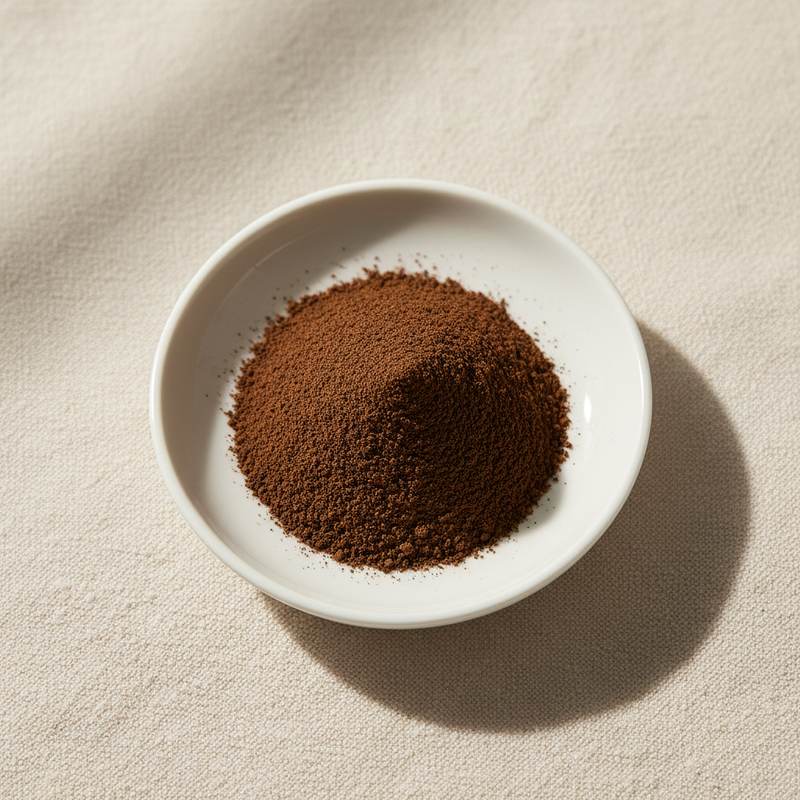
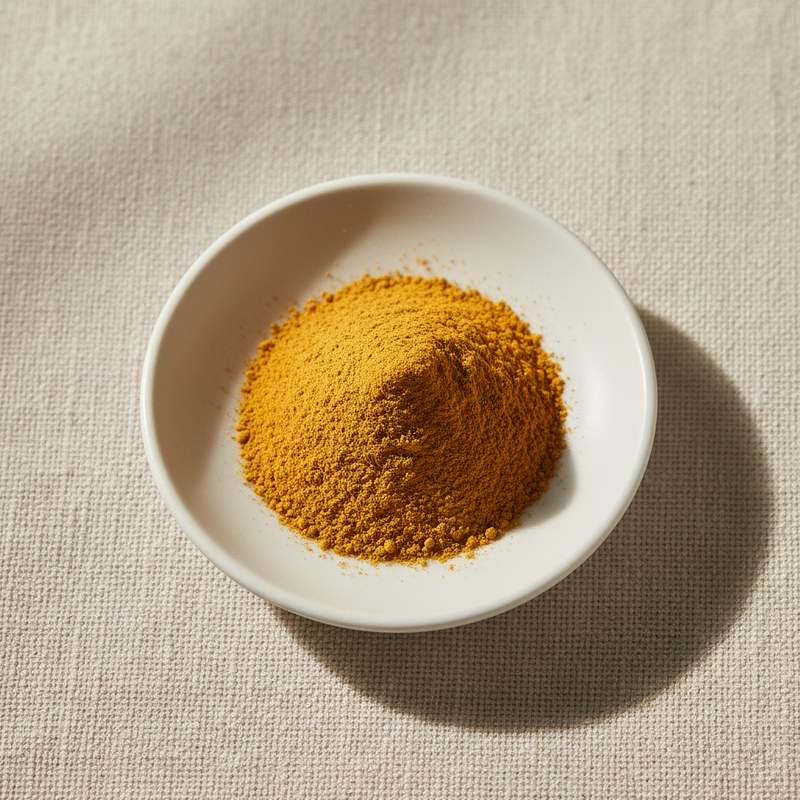
Light yellow to brown free-flowing powder, with darker colors for fermented (oolong, black, pu-erh) tea varieties. Highly water-soluble.
We supply food-grade Tea Extract from manufacturers in China holding ISO, Halal, Kosher and other certifications relevant to the product and production. Organic-certified and decaffeinated grades are widely available.
Common market grades include Green Tea 95 percent Polyphenols / 50 percent EGCG (the workhorse supplement grade), Green Tea 98 percent Polyphenols / 80 percent EGCG (premium grade), Decaffeinated Green Tea Extract (caffeine-free grade), Black Tea 25 percent Theaflavins (premium black tea grade), Oolong Tea Extract (5 to 30 percent polyphenols), Pu-erh Tea Extract (specialized fermented tea grade), Instant Tea Powder (tea beverage applications), and L-Theanine 20 to 98 percent (catalogued separately for some applications).
Bulk and reduced-MOQ shipments. Batch-level COA covering total polyphenols, catechin profile (HPLC), EGCG content, caffeine content, theaflavins where applicable, residual solvents, heavy metals, pesticides, and microbiology.
Introduction
Tea has been consumed in China for at least 4,000 years and is the second-most-consumed beverage globally after water. Industrial tea extract production began in the late 19th century for the instant tea beverage market, and expanded substantially in the 1990s and 2000s as research on tea polyphenol health benefits drove the dietary supplement application.
Industrial production proceeds by hot-water extraction of tea leaves, followed by purification, optional decaffeination (using carbon dioxide, ethyl acetate, or hot-water processes), and concentration to defined polyphenol or specific-component content. The major variant is determined by the source tea processing: green tea (unfermented, high catechin content), oolong (semi-fermented), black (fully fermented, theaflavin-rich), and pu-erh (microbially fermented).
Recognized as a permitted food ingredient by the U.S. FDA, the European Food Safety Authority (with specific EGCG-content limits in supplements following hepatotoxicity case reports at very high doses), and equivalent regulators worldwide.
Tea polyphenols, particularly the green tea catechin EGCG, are among the most-studied natural antioxidants globally, with extensive clinical research supporting weight-management, cardiovascular, and metabolic-health applications. Black tea theaflavins have emerging clinical evidence for cardiovascular endpoints.
Strategic positioning is broad across antioxidant, weight-management, cardiovascular, and cognitive-support supplements globally, with substantial differentiation by tea variety and standardization profile.
Where it is used
- Antioxidant and anti-aging dietary supplements: the dominant commercial application globally
- Weight-management and thermogenic supplements (Green Tea Extract is among the most established thermogenic ingredients)
- Cardiovascular-support supplement formulations
- Cognitive-support and energy supplements (typically caffeine-containing grades)
- Functional beverages: ready-to-drink teas, premium iced teas, and wellness drinks
- Cosmetic skincare: antioxidant, anti-aging, and oily-skin formulations
- Sports nutrition: pre-workout and fat-burner formulations
- Food and beverage antioxidant applications: natural alternative to synthetic antioxidants in oils, fats, and prepared foods
- Premium pet food: antioxidant and wellness-positioned pet products
Technical data
| Item | Specification |
|---|---|
| Appearance | Light yellow to brown free-flowing powder (variety dependent) |
| Total polyphenols (UV) | 95% / 98% (premium green tea grades) |
| EGCG content (HPLC) | 40% / 50% / 80% (grade dependent) |
| Total catechins | ≥ 80% of polyphenols (green tea) |
| Theaflavins (black tea) | ≥ 25% (premium black tea grade) |
| Caffeine | typically 5% to 10% / ≤ 0.5% (decaffeinated grades) |
| Loss on drying | ≤ 5.0% |
| Heavy metals (as Pb) | ≤ 2 mg/kg |
| Source | Camellia sinensis leaves (variety dependent) |
Related ingredients
Ready to discuss business?
Send us your spec and requirement. We will respond with availability and pricing within 24 hours.