Description
An extract from microbially post-fermented Camellia sinensis pu-erh tea (typically the ripe or shu pu-erh produced by accelerated microbial fermentation). The microbial fermentation generates a distinctive polyphenol profile and small amounts of naturally occurring lovastatin and other monacolin-related compounds in some samples.
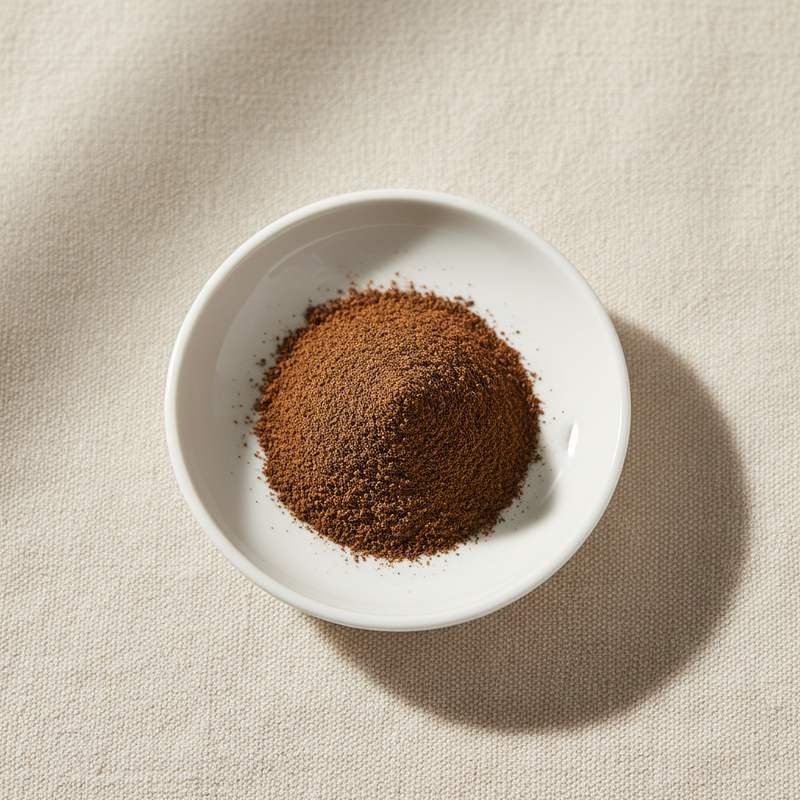
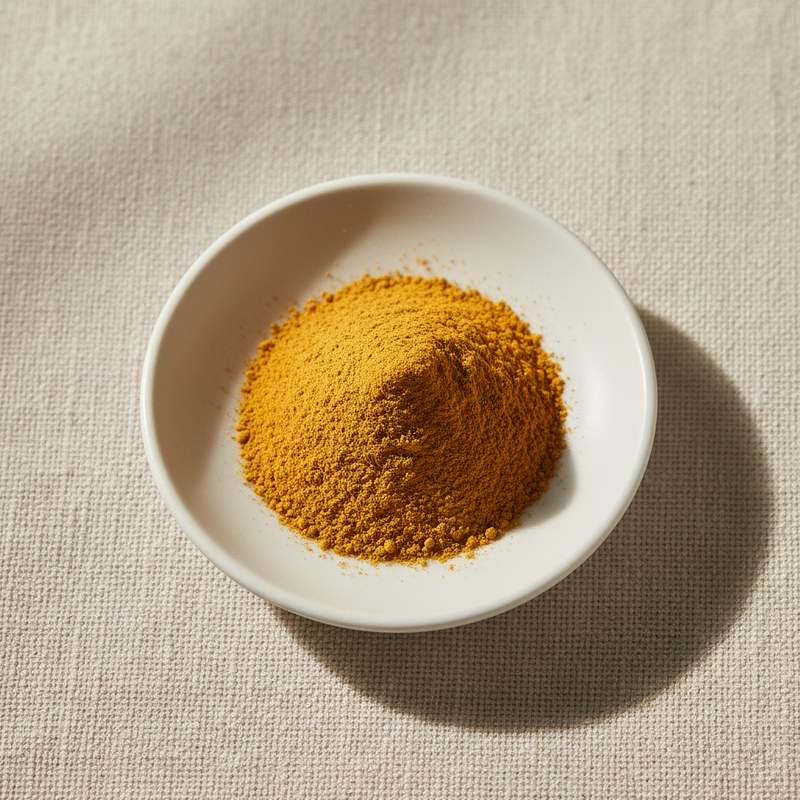
Dark brown to reddish-brown free-flowing powder. Highly water-soluble. Distinctive earthy aroma reflecting microbial fermentation origin.
We supply food-grade Pu-erh Tea Extract from manufacturers in China holding ISO, Halal, Kosher and other certifications relevant to the product and production.
Common market grades include Pu-erh Tea 4:1 Powder (the beverage workhorse), 10:1 concentrate, Polyphenols 30 percent (standard supplement grade), Polyphenols 50 percent (premium grade), and Theabrownin-standardized grades targeting the unique pu-erh polyphenol class.
Bulk and reduced-MOQ shipments. Batch-level COA covering total polyphenols, theabrownins (where standardized), caffeine content, residual solvents, heavy metals, pesticides, mycotoxins (relevant given the microbial fermentation), and microbiology.
Introduction
Pu-erh tea is post-fermented Camellia sinensis tea originating in Yunnan province, China. Traditional 'raw' (sheng) pu-erh is aged for years under controlled conditions; modern 'ripe' (shu) pu-erh is produced by accelerated microbial fermentation over approximately two months using inoculated heap fermentation.
The microbial transformation generates theabrownins (a unique polyphenol class formed from catechin polymerization) and modifies the catechin profile substantially compared to green or oolong tea. Some samples contain trace lovastatin and related monacolin compounds.
Industrial production of the extract proceeds by hot-water extraction of dried pu-erh tea, followed by concentration and spray-drying. Quality control requires attention to mycotoxin testing given the microbial fermentation history of the raw material.
Recognized as a permitted food ingredient in essentially all jurisdictions.
The lipid-management positioning is well-established in Asian markets and supported by some clinical evidence for cholesterol-lowering and weight-management effects. The 'Pu-erh for slimming' positioning is a substantial commercial category in China, Hong Kong, and Southeast Asia.
Where it is used
- Weight-management and lipid-management dietary supplements (the principal Asian-market positioning)
- Functional beverages: premium ready-to-drink pu-erh tea
- Digestive-health supplements
- Cardiovascular and cholesterol-support formulations
- Traditional Chinese Medicine products
- Sports nutrition and thermogenic positioning
- Tea-flavored confectionery and dairy applications
Technical data
| Item | Specification |
|---|---|
| Appearance | Dark brown to reddish-brown free-flowing powder |
| Total Polyphenols (UV) | 30% / 50% (grade dependent) |
| Theabrownins | ≥ 30% (theabrownin-standardized grades) |
| Caffeine content | typically 3% to 7% |
| Loss on drying | ≤ 5.0% |
| Aflatoxin B1 | ≤ 5 micrograms/kg |
| Heavy metals (as Pb) | ≤ 2 mg/kg |
| Source | Camellia sinensis post-fermented leaf (Yunnan origin preferred) |
Related ingredients
Ready to discuss business?
Send us your spec and requirement. We will respond with availability and pricing within 24 hours.