Description
A natural polyphenol from pomegranate husk (Punica granatum) and several other tannin-rich plant sources, standardized to defined ellagic acid content. Used in anti-aging and cardiovascular-support dietary supplements, premium cosmetic skincare, and as a research-grade phytochemical.
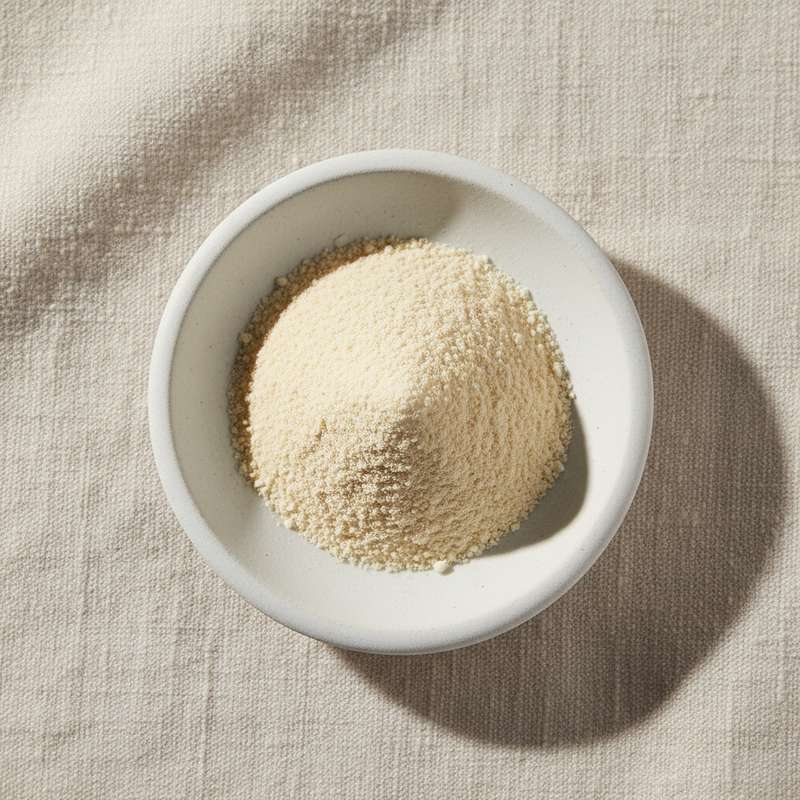
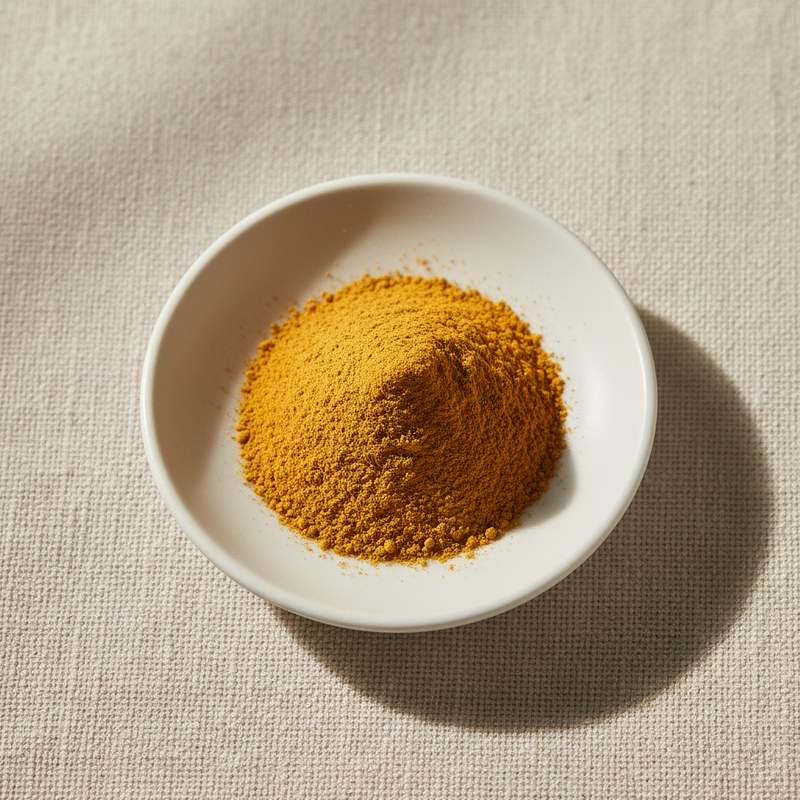
Off-white to light yellow free-flowing powder. Very limited water solubility; soluble in dilute alkali, DMSO, and pyridine.
We supply food-grade Ellagic Acid from manufacturers in China holding ISO, Halal, Kosher and other certifications relevant to the product and production.
Common market grades include 40 percent Ellagic Acid (the workhorse pomegranate husk grade), 70 percent Ellagic Acid (premium grade), 90 percent Ellagic Acid (high-end grade), and 98 percent Pure Ellagic Acid (research and pharmaceutical grade). Punicalagin-standardized pomegranate extracts are available as a related product offering.
Bulk and reduced-MOQ shipments. Batch-level COA covering ellagic acid content (HPLC), punicalagin content, residual solvents, heavy metals, pesticides, and microbiology.
Introduction
Ellagic Acid is a dilactone of hexahydroxydiphenic acid that occurs naturally as ellagitannins in pomegranate, raspberry, strawberry, walnut, and oak bark. Pomegranate husk is the dominant commercial source because of its high ellagitannin content (principally punicalagin), which is hydrolyzed during extraction to release ellagic acid.
Industrial production proceeds by hot-water or hydroalcoholic extraction of pomegranate husk, controlled acid hydrolysis to convert punicalagin to ellagic acid, then crystallization and purification to defined grades.
Recognized as a permitted food ingredient by the U.S. FDA and the European Food Safety Authority. Pomegranate extract holds extensive consumer recognition in Western markets.
Clinical evidence supports pomegranate polyphenols for blood-pressure reduction and endothelial function, with mechanistic interest in the urolithin metabolites produced by gut microbiota from ellagitannins. Oncology research has identified anti-proliferative activity in multiple cancer cell-culture models.
Strategic positioning combines anti-aging and longevity supplements (the highest unit-value segment) with premium cosmetic skincare and superfruit functional beverages.
Where it is used
- Anti-aging and longevity dietary supplements (the dominant commercial application)
- Cardiovascular-support and blood-pressure-positioned formulations
- Prostate-health and men's-wellness supplements
- Premium cosmetic skincare: anti-aging serums, brightening formulations
- Beauty-from-within and nutricosmetic supplements
- Functional beverages: superfruit and antioxidant drinks
- Pharmaceutical research applications including oncology research
- Sports nutrition: recovery and antioxidant-positioned products
Technical data
| Item | Specification |
|---|---|
| Appearance | Off-white to light yellow free-flowing powder |
| Ellagic acid content (HPLC) | 40% / 70% / 90% / 98% (grade dependent) |
| Punicalagin (where standardized) | ≥ 20% (pomegranate husk extracts) |
| Particle size | 95% pass 80 mesh |
| Loss on drying | ≤ 5.0% |
| Residue on ignition | ≤ 5.0% |
| Heavy metals (as Pb) | ≤ 2 mg/kg |
| Total plate count | ≤ 1000 cfu/g |
| Source | Punica granatum husk |
Related ingredients
Ready to discuss business?
Send us your spec and requirement. We will respond with availability and pricing within 24 hours.