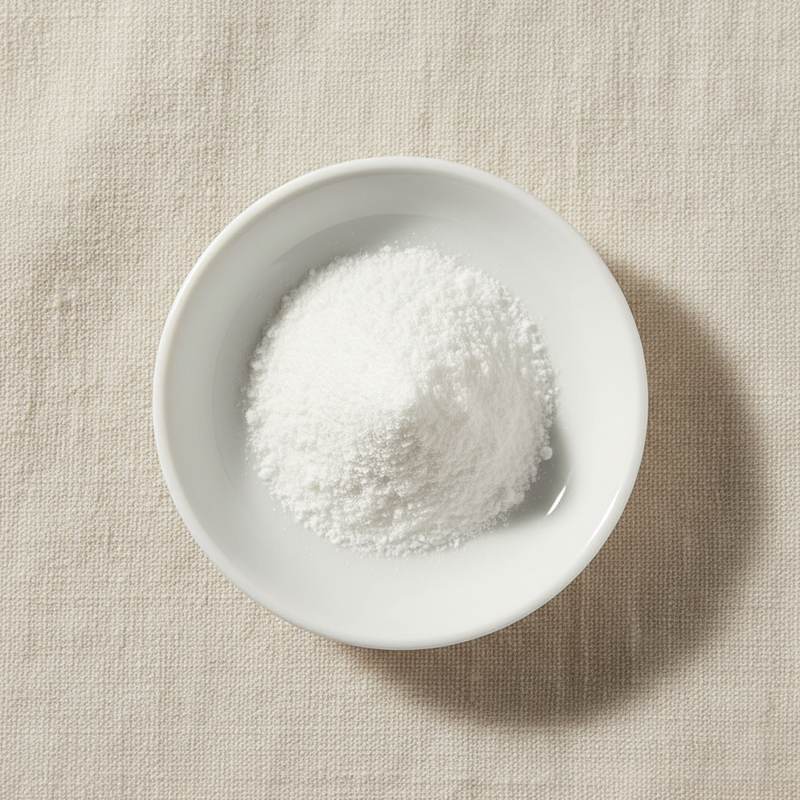
Description
A naturally occurring phospholipid concentrated in brain cell membranes, where it plays a central role in cell signaling, membrane fluidity, and neurotransmitter release. Used as the principal active ingredient in cognitive-health and memory supplement formulations.
Yellow to brown-yellow powder with a characteristic odor. Available primarily as soy-derived or sunflower-derived (non-GMO) material to suit different label requirements.
We supply food-grade Phosphatidylserine from manufacturers in China holding ISO, Halal, Kosher and other certifications relevant to the product and production.
Common market grades include 20 percent PS (the standard commercial grade), 50 percent PS (premium concentrate), 70 percent PS (high-purity grade for capsule applications), and sunflower-derived Non-GMO PS for clean-label and allergen-sensitive formulations.
Bulk and reduced-MOQ shipments. Batch-level COA covering PS content, phospholipid profile, peroxide value, heavy metals, and microbiology.
Introduction
Phosphatidylserine is one of four major phospholipid classes in cellular membranes, with the highest concentrations found in brain neurons where it accounts for approximately 15 percent of total brain phospholipids. It plays critical roles in cell signaling, neurotransmitter release, and synaptic function.
Industrial production proceeds by enzymatic conversion of phosphatidylcholine using phospholipase D, with the substrate phospholipid sourced from either soy lecithin (the historical dominant source) or sunflower lecithin (the Non-GMO premium source). The enzymatic process replaces the choline head-group with serine to yield the phosphatidylserine product.
Phosphatidylserine is recognized by the U.S. FDA with a qualified health claim for cognitive function and dementia risk reduction, and is permitted as a food ingredient in the European Union and major Asian markets.
The cognitive-support positioning is supported by substantial clinical literature, including studies on age-associated memory impairment, cognitive performance under stress, and sports-related cortisol response. Clinical doses typically range from 100 to 300 mg per day.
Strategic positioning is dominated by cognitive-health and memory supplements, with growing applications in sports nutrition (for cortisol management) and functional foods targeting senior consumers and cognitive wellness positioning.
Where it is used
- Cognitive health and memory dietary supplements: the largest commercial application
- Nootropic and brain-function supplement formulations
- Sports nutrition for cortisol management and recovery
- Age-related cognitive-support formulations
- Functional dairy and meal replacement product fortification
- Clinical nutrition products for cognitive decline support
- Functional beverages with cognitive-health positioning
- Premium senior-nutrition formulations
Technical data
| Item | Specification |
|---|---|
| Appearance | Yellow to brown-yellow powder |
| Phosphatidylserine | ≥ 20.0% |
| Phosphatidylcholine | ≤ 20.0% |
| Phosphatidylethanolamine | ≤ 16.0% |
| Phosphatidylinositol | ≤ 12.0% |
| Peroxide value | ≤ 10 meq/kg |
| Loss on drying | ≤ 5.0% |
| Heavy metals (as Pb) | ≤ 10 mg/kg |
| Arsenic | ≤ 2 mg/kg |
| Total plate count | ≤ 1000 CFU/g |
Related ingredients
Ready to discuss business?
Send us your spec and requirement. We will respond with availability and pricing within 24 hours.