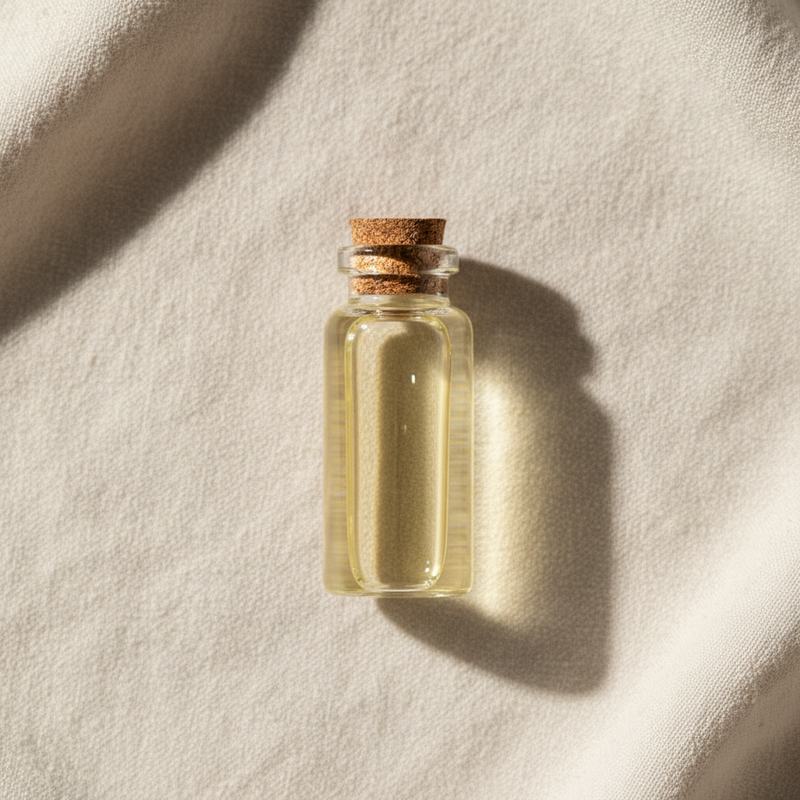
Description
Cold-pressed oil from perilla (Perilla frutescens, also called shiso or zi-su) seed, one of the highest natural plant sources of alpha-linolenic acid at typically 55% to 65% of total fatty acids.
Pale yellow to golden liquid with a mild characteristic herbal-nutty flavor. The fatty acid profile is even more ALA-dominant than flaxseed oil, and the oil carries a long traditional-medicine and culinary history in China, Korea, and Japan that supports premium East Asian market positioning.
We supply food-grade Perilla Seed Oil from manufacturers in China holding ISO, Halal, Kosher, and organic certifications relevant to the product and production. Cold-pressed virgin and refined grades are available.
Common market grades include Cold-Pressed Virgin Perilla Oil (premium retail and supplement), Refined Perilla Oil (softgel encapsulation), and Organic-Certified Perilla Oil. Microencapsulated perilla oil powder is available under separate listings.
Bulk and reduced-MOQ shipments. Batch-level COA covering fatty acid profile, peroxide value, acid value, rosmarinic acid (where present), heavy metals, and microbiology.
Introduction
Perilla (Perilla frutescens) is an aromatic herb of the Lamiaceae family, cultivated in East Asia for at least 1,300 years for its leaves, seeds, and oil. Perilla oil (called yu-su in Chinese, deulgireum in Korean, and egoma in Japanese) is one of the four traditional Chinese woody and herbaceous edible oils and carries significant cultural and traditional-medicine positioning across the region.
The seeds are cold-pressed at temperatures below 40 °C to preserve the high polyunsaturated fatty acid content, filtered, and bottled under nitrogen to limit oxidation. Refined grades are produced by additional bleaching and deodorization for supplement softgel use.
The defining nutritional feature is the highest natural ALA content among commercial culinary oils, exceeding even flaxseed oil. Published clinical and observational research from Japan and Korea documents effects on lipid profile, allergic-response markers, and platelet function at daily intakes of 5 to 10 g of perilla oil.
Regulatory status is established under Chinese GB 1.5 as a permitted edible oil, recognized as a conventional food in Japan and Korea, and accepted under general food-ingredient provisions in the EU and U.S. The EFSA-authorized ALA health claim applies.
Commercial positioning splits between Asian heritage retail (premium gourmet and traditional-medicine retail in Korea, Japan, and China) and global vegan omega-3 supplements where perilla oil sits as a premium alternative to flaxseed oil with a higher ALA content and stronger traditional-use narrative.
Where it is used
- Vegan and vegetarian omega-3 supplements positioned around ALA content
- East Asian functional foods and supplements drawing on the cultural and traditional positioning of perilla
- Cardiovascular and lipid-management formulations
- Allergy and inflammatory-balance products (clinical literature on perilla oil and Th2-mediated allergic response)
- Cognitive and brain health supplements positioned on ALA-to-DHA pathway support
- Skin and beauty-from-within products
- Cold-application finishing oils, dressings, and Korean and Japanese culinary applications
- Premium pet supplements
Technical data
| Item | Specification |
|---|---|
| Appearance | Pale yellow to golden liquid |
| Alpha-linolenic acid (C18:3 omega-3) | ≥ 55% |
| Linoleic acid (C18:2 omega-6) | 12% to 18% |
| Oleic acid (C18:1) | 13% to 20% |
| Palmitic acid (C16:0) | 5% to 8% |
| Stearic acid (C18:0) | 1.5% to 3% |
| Peroxide value | ≤ 5.0 meq/kg |
| Acid value | ≤ 2.0 mg KOH/g |
| Moisture | ≤ 0.2% |
| Heavy metals (as Pb) | ≤ 0.5 mg/kg |
| Source | Cold-pressed Perilla frutescens seed |
Related ingredients
Ready to discuss business?
Send us your spec and requirement. We will respond with availability and pricing within 24 hours.