Description
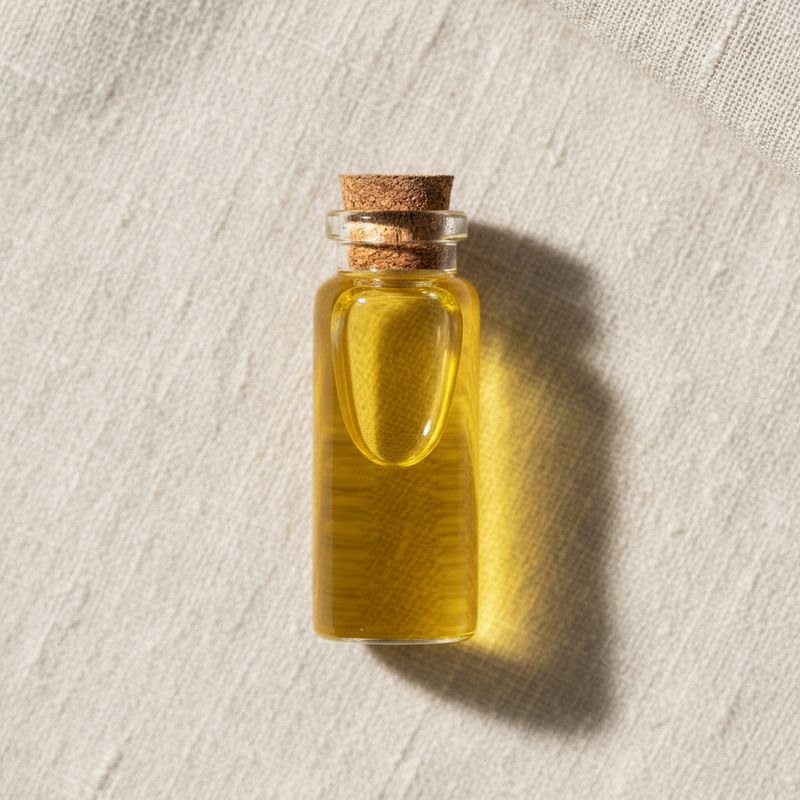
Cold-pressed oil from flaxseed (Linum usitatissimum, also called linseed), one of the richest plant sources of alpha-linolenic acid (ALA, C18:3 omega-3) at typically 50% to 60% of total fatty acids.
Pale yellow to golden-amber liquid with a mild characteristic flavor in food-grade material and a stronger flavor in traditional unrefined grades. The dominant ALA content places flaxseed oil at the center of vegan and vegetarian omega-3 positioning.
We supply food-grade Flaxseed Oil from manufacturers in China holding ISO, Halal, Kosher, and organic certifications relevant to the product and production. Cold-pressed virgin, refined, organic, and high-lignan grades are available on request.
Common market grades include Cold-Pressed Virgin Flaxseed Oil (premium retail), Refined Flaxseed Oil (supplement softgels), Organic-Certified Flaxseed Oil, and High-Lignan Flaxseed Oil (oil with reincorporated SDG lignan concentrate). Microencapsulated powder versions are available under separate listings.
Bulk and reduced-MOQ shipments. Batch-level COA covering fatty acid profile, peroxide value, acid value, moisture, heavy metals, and microbiology.
Introduction
Flax is one of the oldest cultivated crops, with archaeological evidence of seed and fiber use dating to at least 8,000 BCE. Modern flaxseed oil production is concentrated in Canada (the world's largest producer), China, Russia, and Kazakhstan.
Cold-pressed flaxseed oil is produced by mechanical expeller pressing of cleaned flaxseed at temperatures kept below 40 °C to preserve the high polyunsaturated fatty acid content. The crude oil is filtered, optionally refined through bleaching and deodorization for supplement use, and stabilized with nitrogen blanketing during storage to limit oxidation.
Regulatory status is broad. Flaxseed oil is recognized as Generally Recognized as Safe in the U.S., permitted as a conventional food in the EU, and approved under Chinese GB 1.5. The EFSA has authorized health claims linking ALA to maintenance of normal blood cholesterol concentrations.
The defining nutritional feature is ALA content. ALA can be elongated and desaturated by human metabolism to EPA and DHA, although conversion efficiency is limited (5% to 8% to EPA, less than 1% to DHA in most adults). The clinical and consumer appeal therefore rests on direct ALA-linked claims (cardiovascular and lipid health) rather than as a replacement for marine omega-3.
Commercial positioning targets the vegan and vegetarian omega-3 segment, where flaxseed oil competes with chia, algal oil, and microencapsulated plant omega-3 powders on price, fatty acid profile, and lignan content. The high-lignan variant (in which SDG lignan concentrate is reblended into the oil) carries premium pricing in women's hormonal health and hot-flash support categories.
Where it is used
- Vegan and vegetarian omega-3 supplements in liquid and softgel format
- Cardiovascular health and lipid-management formulations
- Women's hormonal support products (high-lignan grades, leveraging SDG lignan content)
- Skin, hair, and beauty-from-within supplements
- Functional bakery, breakfast cereal, and snack fortification
- Cold-application dressings, dips, and finishing oils; not suitable for high-heat cooking
- Pet supplements for coat condition and skin health
- Cosmetic and skincare formulations including moisturizers and lip balms
- Pharmaceutical excipient for lipid-soluble active delivery
Technical data
| Item | Specification |
|---|---|
| Appearance | Pale yellow to golden-amber liquid |
| Alpha-linolenic acid (C18:3 omega-3) | ≥ 50% |
| Linoleic acid (C18:2 omega-6) | 12% to 18% |
| Oleic acid (C18:1) | 15% to 22% |
| Palmitic acid (C16:0) | 5% to 7% |
| Stearic acid (C18:0) | 3% to 5% |
| Peroxide value | ≤ 5.0 meq/kg |
| Acid value | ≤ 2.0 mg KOH/g |
| Moisture | ≤ 0.2% |
| Heavy metals (as Pb) | ≤ 0.5 mg/kg |
| Source | Cold-pressed Linum usitatissimum seed |
Related ingredients

Ready to discuss business?
Send us your spec and requirement. We will respond with availability and pricing within 24 hours.