Description
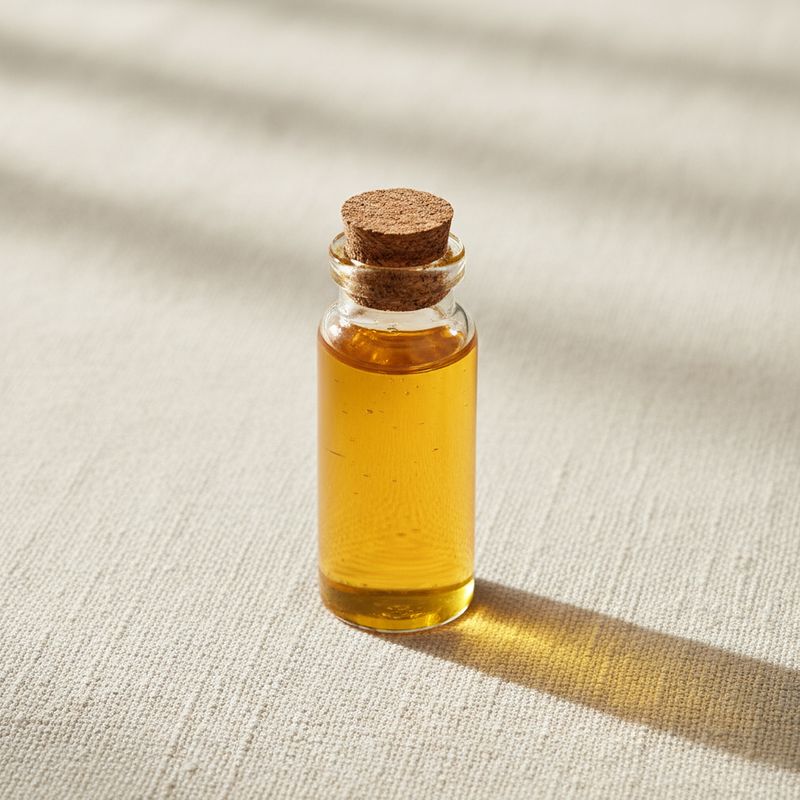
Steam-distilled essential oil of Origanum vulgare, standardized to carvacrol and thymol content. The principal phytogenic feed additive for natural antimicrobial activity against intestinal pathogens.
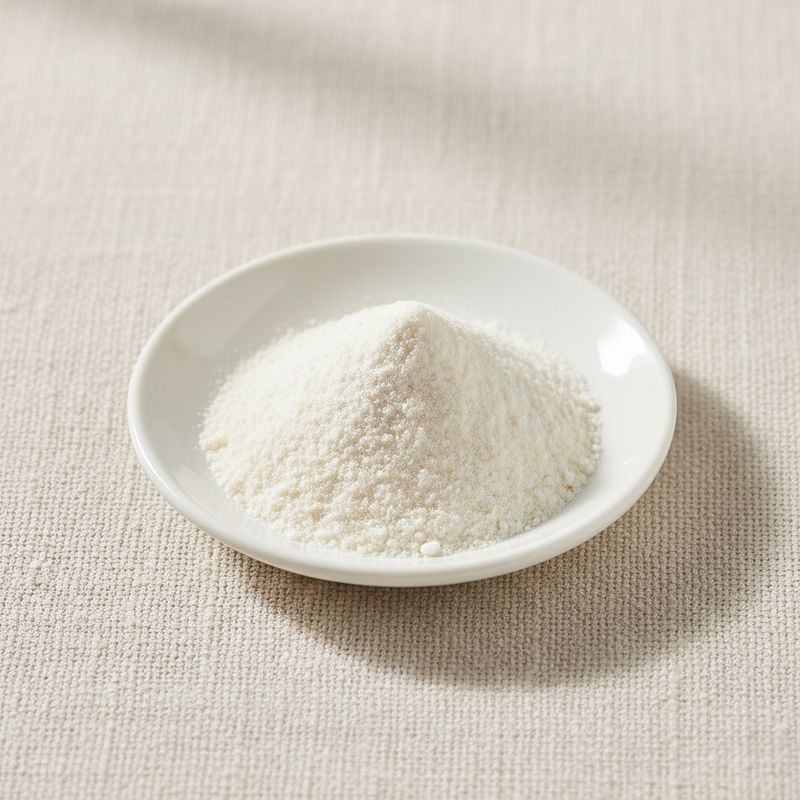
Pale yellow to amber liquid in pure form, or free-flowing powder when adsorbed onto a silica, starch, or maltodextrin carrier. Strongly aromatic. Microencapsulated forms reduce volatility and enable accurate dosing.
We supply feed-grade Oregano Essential Oil from manufacturers in China holding ISO, FAMI-QS, and other certifications relevant to the product and production.
Common market grades include 100 percent steam-distilled liquid (carvacrol 60 to 80 percent), powdered 10 percent and 20 percent oil on carrier, and microencapsulated 10 percent for pelleted feed stability.
Bulk and reduced-MOQ shipments. Batch-level COA covering carvacrol content, thymol content, total phenols, and microbiology.
Introduction
Carvacrol and thymol are monoterpene phenols that disrupt bacterial cell membranes by integrating into the lipid bilayer and causing leakage of ions and ATP. The mode of action is non-specific enough that bacterial resistance development is slow compared with conventional antibiotics, and broad enough to cover both Gram-positive and Gram-negative pathogens.
The cultivated chemotype matters. Origanum vulgare ssp. hirtum from Greece, Turkey, and Mediterranean Asia is the high-carvacrol chemotype used in feed grade essential oils. Other chemotypes have low phenol content and minimal antimicrobial action.
Encapsulation is the dominant commercial format for pelleted feed because uncoated oil losses during conditioning and pelleting can exceed 50 percent. Lipid-coated and starch-encapsulated forms retain 80 to 95 percent of the active through the feed mill.
Approved as a feed flavoring and zootechnical additive in the EU under feed additive regulations, and as a feed material or natural antimicrobial in most major livestock markets.
Where it is used
- Broiler and layer feeds for natural antimicrobial activity against Clostridium perfringens, Salmonella, and E. coli
- Piglet weaner feeds as an antibiotic alternative during the post-weaning challenge period
- Calf milk replacers and starter feeds
- Aquaculture feeds (shrimp, tilapia, salmonids) for intestinal health
- Coccidiostat-alternative programs in poultry production
- Companion animal diets for gastrointestinal sensitivity
- Component of phytogenic feed blends combined with cinnamon, garlic, and capsaicin oils
- Antibiotic-free and organic certified livestock production
Technical data
| Item | Specification |
|---|---|
| Appearance | Pale yellow to amber liquid (pure); free-flowing powder (carrier forms) |
| Carvacrol content | 60.0% to 80.0% (pure); proportional in powder forms |
| Thymol content | 2.0% to 5.0% (pure) |
| Total phenols | ≥ 65.0% (pure) |
| Density at 20 degrees C | 0.93 to 0.96 g/mL (pure liquid) |
| Refractive index at 20 degrees C | 1.502 to 1.508 |
| Moisture (powder) | ≤ 6.0% |
| Salmonella | Absent in 25 g |
Related ingredients
Ready to discuss business?
Send us your spec and requirement. We will respond with availability and pricing within 24 hours.