Description
The bio-fermentation form of Calcium Propionate, produced from Propionic Acid generated by Propionibacterium fermentation rather than the standard petrochemical route. Provides the same antifungal function as conventional Calcium Propionate with natural-positioning labeling.
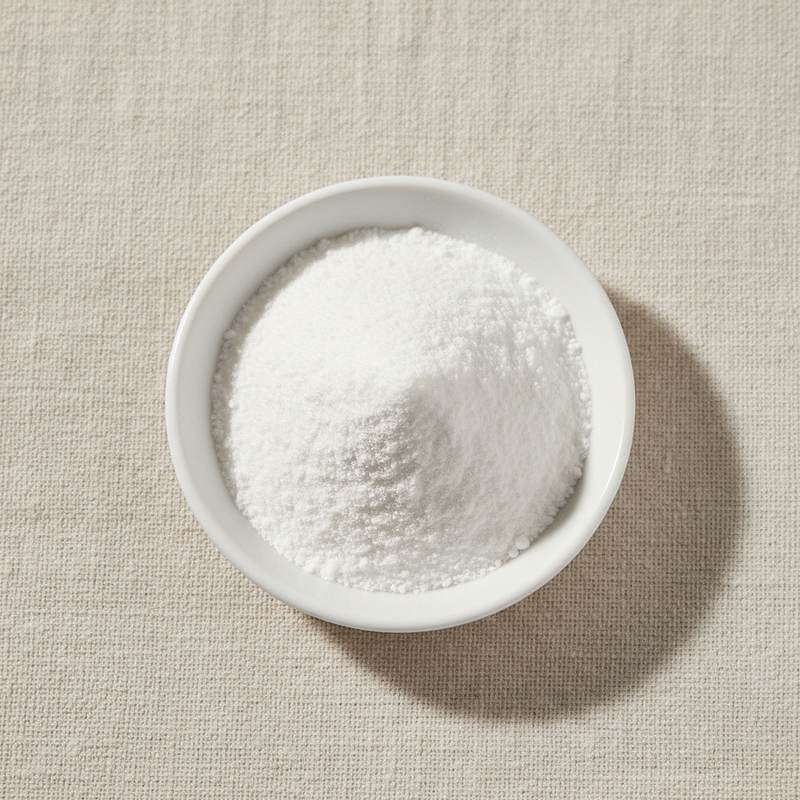
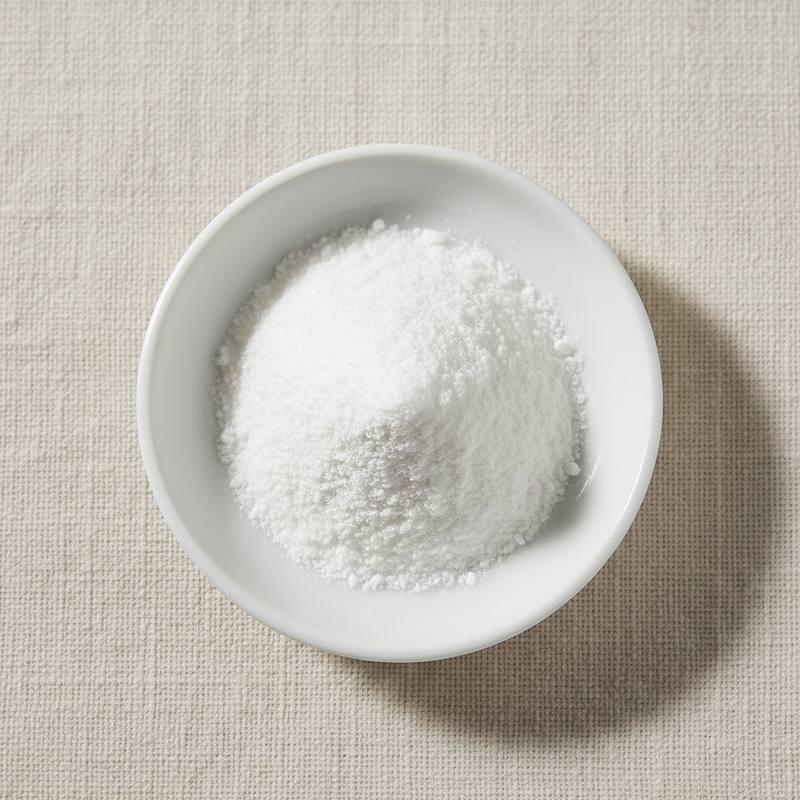
White crystalline powder. Functionally identical to conventional Calcium Propionate; the differentiator is feedstock origin rather than chemistry.
We supply Natural Calcium Propionate from manufacturers in China holding ISO, Halal, Kosher and other certifications relevant to the product and production. Non-GMO and organic-compliant grades are available.
Common market grades include Standard Bio-Fermentation Grade, Premium Non-GMO Bio-Fermentation Grade for clean-label applications, and Certified-Organic Grade for USDA Organic and EU Organic finished-product certification.
Bulk and reduced-MOQ shipments. Batch-level COA covering assay, propionic acid origin documentation, fluoride, heavy metals, and microbiology.
Introduction
This SKU is the bio-fermentation form of Calcium Propionate, distinct from the conventional petrochemical-route product (catalog id 7679) by feedstock origin rather than final molecular structure.
Industrial production starts from Propionic Acid produced by Propionibacterium fermentation of glucose or whey-derived lactose under controlled anaerobic conditions, rather than from the standard oxo-process Propionic Acid produced from ethylene and carbon monoxide. The Propionic Acid is then neutralized with calcium hydroxide and crystallized identically to the conventional product.
Regulatory status, antifungal mechanism, and finished-product behavior are identical to conventional Calcium Propionate (E282, GRAS, JECFA-approved without ADI limit). The differentiator is supply-chain documentation rather than product chemistry.
Strategic positioning targets the natural-and-clean-label bakery segment specifically, where finished-product brands require demonstrable non-petrochemical origin for preservatives to support marketing claims around clean ingredients and natural positioning. The price premium over conventional Calcium Propionate is meaningful (typically 30 to 100 percent higher) and limits use to brands where the labeling advantage justifies the cost.
Demand for this format has grown substantially since 2015 driven by retailer requirements (Whole Foods, Sprouts, etc. requiring bio-fermentation preservatives in store-brand products) and consumer-driven natural-ingredient positioning in the premium bakery segment.
Where it is used
- Natural-positioning bakery products: artisan breads, clean-label baked goods, and premium retail bakery brands
- Organic-certified bakery products requiring non-petrochemical preservation
- Premium tortillas, flatbreads, and naan with clean-label positioning
- Refrigerated dough products in natural and clean-label brands
- Cheese applications in natural and organic positioning
- Premium pet food and natural pet food formulations
- Pharmaceutical applications requiring fermentation-derived ingredients
- Specialty bakery applications including sourdough and ancient-grain breads
Technical data
| Item | Specification |
|---|---|
| Appearance | White crystalline powder |
| Assay (dry basis) | 99.0% to 100.5% |
| Loss on drying | ≤ 4.0% |
| pH (10% solution) | 6.0 to 9.0 |
| Origin | Bio-fermentation of carbohydrate feedstock |
| Fluoride | ≤ 30 mg/kg |
| Heavy metals (as Pb) | ≤ 10 mg/kg |
| Iron | ≤ 50 mg/kg |
| Particle size | Per customer specification |
Related ingredients
Ready to discuss business?
Send us your spec and requirement. We will respond with availability and pricing within 24 hours.