Description
The dominant mold-inhibiting preservative for bakery applications globally. Active against bread mold (Penicillium, Aspergillus, Rhizopus) and rope-forming Bacillus species without affecting yeast fermentation, the critical property that distinguishes it from sorbate and benzoate alternatives.
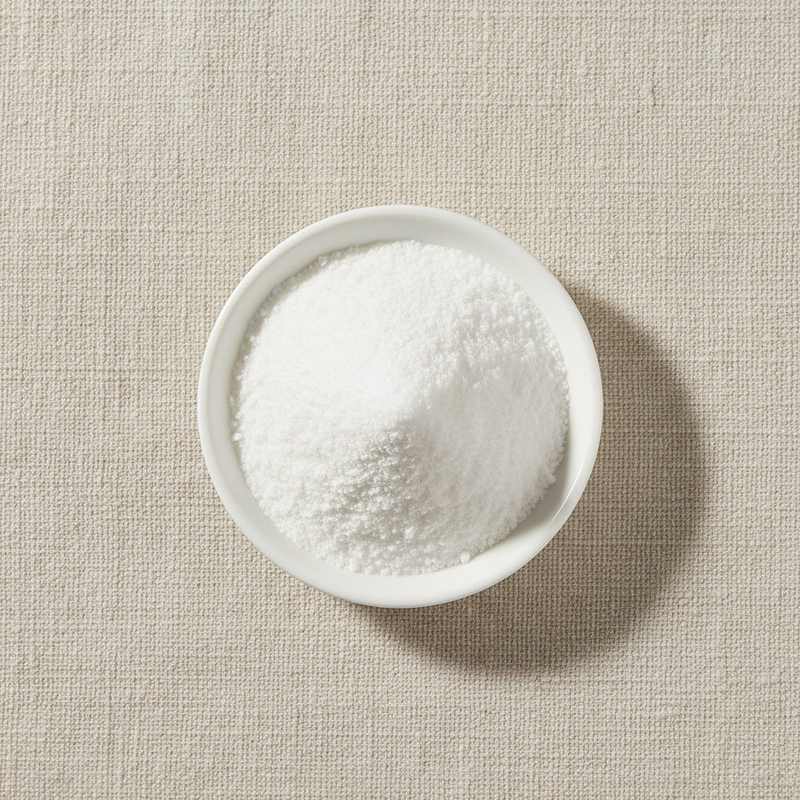
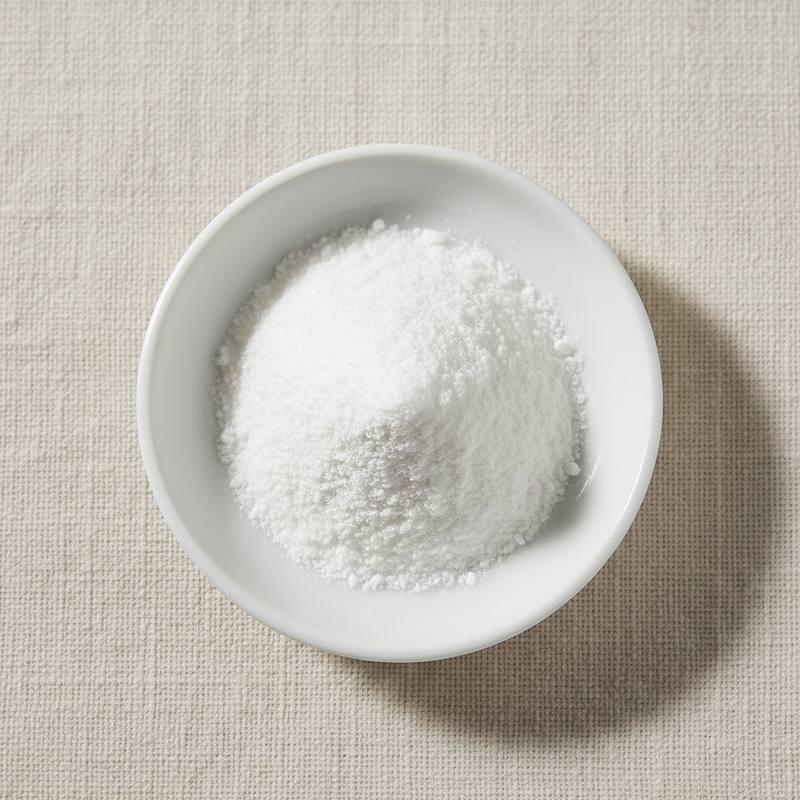
White crystalline powder. Water-soluble. The calcium salt form provides additional calcium fortification alongside preservative function, giving bread products a labeling advantage over the sodium salt form.
We supply food-grade Calcium Propionate from manufacturers in China holding ISO, Halal, Kosher and other certifications relevant to the product and production.
Common market grades include Standard Food Grade (FCC compliant), Pharmaceutical Grade meeting BP/USP specifications, and pre-blended Calcium Propionate with bread-improver enzyme systems for one-step bakery use.
Bulk and reduced-MOQ shipments. Batch-level COA covering assay, fluoride, heavy metals, and microbiology.
Introduction
Calcium Propionate was first introduced as a bread preservative in the 1940s and rapidly displaced earlier alternatives because of one critical property: it does not inhibit yeast fermentation at use levels that effectively prevent bread mold.
Industrial production proceeds by neutralization of Propionic Acid with calcium hydroxide or calcium carbonate, followed by crystallization. Propionic Acid in turn is produced by oxo synthesis from ethylene and carbon monoxide, or by aerobic fermentation of carbohydrates.
Regulated as E282 in the EU, classified as Generally Recognized as Safe by the U.S. FDA, and approved by JECFA without a numerical Acceptable Daily Intake limit, indicating one of the most favorable safety classifications.
The molecule's selective antimicrobial profile is the defining property: Propionate inhibits the molds and rope-forming bacteria that spoil bread, but does not inhibit Saccharomyces cerevisiae, the yeast responsible for bread fermentation. Sorbate and benzoate both inhibit yeast at similar levels and therefore cannot be used in yeast-leavened bakery products.
The calcium counter-ion is preferred over sodium for bakery use because it contributes calcium fortification (a labelable nutrient) rather than sodium (a regulated nutrient). The functional preservative activity is identical between the two salt forms.
Where it is used
- Bread and rolls; the dominant mold inhibitor in this category globally, typically dosed at 0.1 to 0.4 percent of flour weight
- Tortillas, naan, pita, and flatbreads
- Cakes, pastries, and bakery sweet goods
- Pizza dough and frozen pizza products
- Pre-baked refrigerated and shelf-stable dough products
- Cheese applications: hard cheese, processed cheese, and string cheese
- Pet food and animal feed preservation
- Pharmaceutical applications including topical preparations
- Calcium fortification function alongside preservative role in bakery products
Technical data
| Item | Specification |
|---|---|
| Appearance | White crystalline powder |
| Assay (dry basis) | 99.0% to 100.5% |
| Loss on drying | ≤ 4.0% |
| pH (10% solution) | 6.0 to 9.0 |
| Fluoride | ≤ 30 mg/kg |
| Heavy metals (as Pb) | ≤ 10 mg/kg |
| Arsenic | ≤ 3 mg/kg |
| Iron | ≤ 50 mg/kg |
| Particle size | Per customer specification |
Related ingredients
Ready to discuss business?
Send us your spec and requirement. We will respond with availability and pricing within 24 hours.