Description
A food-grade hydroxypropyl methylcellulose produced by sequential etherification of cellulose with methyl and hydroxypropyl groups. Provides cold-water solubility, thermal gelation on heating, and broad pH stability.
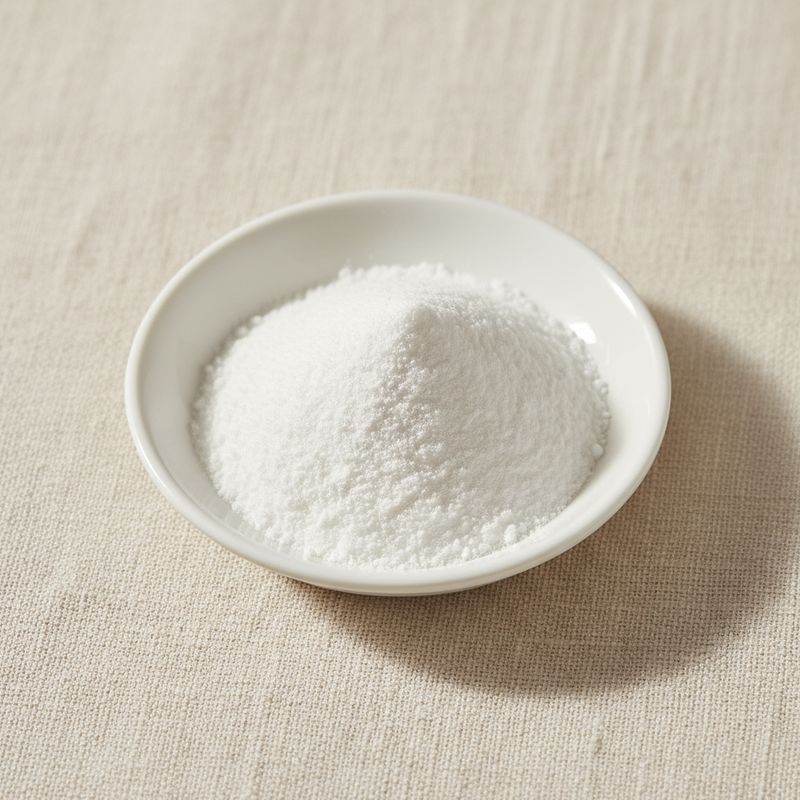
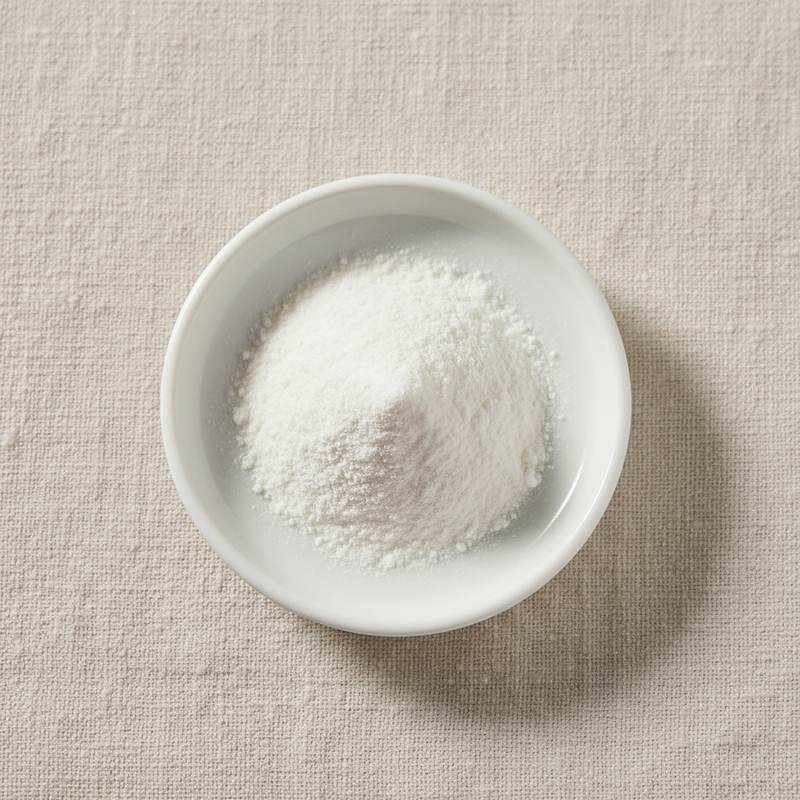
White to off-white free-flowing powder. Soluble in cold water; gels on heating above 60 to 90 degrees Celsius depending on substitution pattern.
We supply food-grade HPMC from manufacturers in China holding ISO, Halal, Kosher and other certifications relevant to the product and production.
Common market grades include K-series (methoxyl 19 to 24%, hydroxypropoxyl 7 to 12%) and E-series (methoxyl 28 to 30%, hydroxypropoxyl 7 to 12%), with viscosity grades from 5 mPa-s to 100,000 mPa-s available.
Bulk and reduced-MOQ shipments. Batch-level COA covering viscosity, methoxyl and hydroxypropoxyl content, gel temperature, heavy metals, and microbiology.
Introduction
HPMC was developed by Dow Chemical in the 1940s and entered food applications during the 1960s. It is regulated as E464 in the EU, classified as Generally Recognized as Safe by the U.S. FDA, and approved by JECFA with no numerical Acceptable Daily Intake limit.
The molecule combines methyl and hydroxypropyl substitutions on the cellulose backbone, with the relative ratio determining the thermal gelation profile: higher methoxyl yields lower gel temperatures, higher hydroxypropoxyl yields higher gel temperatures. This tunability supports a wide application range.
The defining functional property is reverse thermal gelation: HPMC solutions are liquid when cold and gel when heated, the opposite of gelatin and most natural gums. This property is foundational to plant-based meat texture development, where HPMC creates the firm bite of cooked product.
Gluten-free baking is the second major application, where HPMC mimics gluten's gas-retention behavior and supports the structure of breads, cakes, and pastries baked without wheat protein.
Where it is used
- Gluten-free baking; provides dough structure, gas retention, and crumb formation
- Plant-based meat alternatives; thermal gelation creates meat-like firming on cooking
- Vegan binders and egg replacers in bakery and confectionery
- Whipped toppings, mousses, and aerated dairy alternatives
- Fried-food coatings; reduces oil uptake during frying
- Ice creams and frozen desserts as a stabilizer
- Beverages and dairy as a suspension aid
- Sauces and dressings for cold-process viscosity
Technical data
| Item | Specification |
|---|---|
| Appearance | White to off-white powder |
| Methoxyl content | 19.0% to 30.0% (per grade) |
| Hydroxypropoxyl content | 7.0% to 12.0% |
| Viscosity (2% solution, 20 °C) | Per grade specification |
| Gel temperature | 60 °C to 90 °C |
| Loss on drying | ≤ 5.0% |
| pH (1% solution) | 5.0 to 8.0 |
| Heavy metals (as Pb) | ≤ 5 mg/kg |
| Total plate count | ≤ 1000 cfu/g |
Related ingredients
Ready to discuss business?
Send us your spec and requirement. We will respond with availability and pricing within 24 hours.