Description
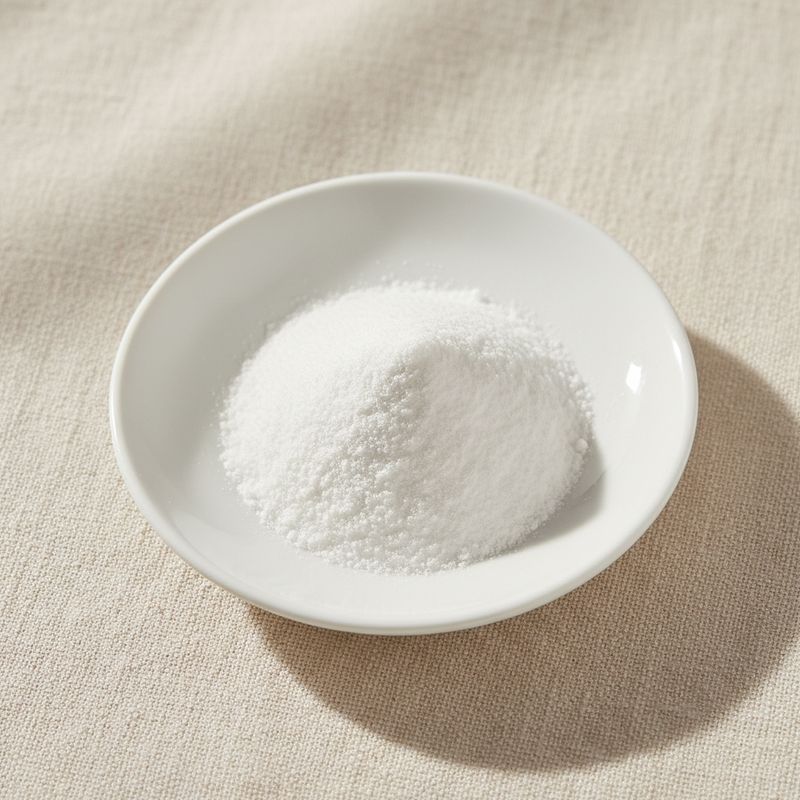
A semi-synthetic cellulose ether produced by alkaline etherification of purified cellulose with methyl chloride and propylene oxide. Distinguished from other hydrocolloids by thermoreversible gelation on heating (rather than cooling), the property that defines its dominant applications in plant-based meat, gluten-free bakery, and pharmaceutical sustained-release tablets.
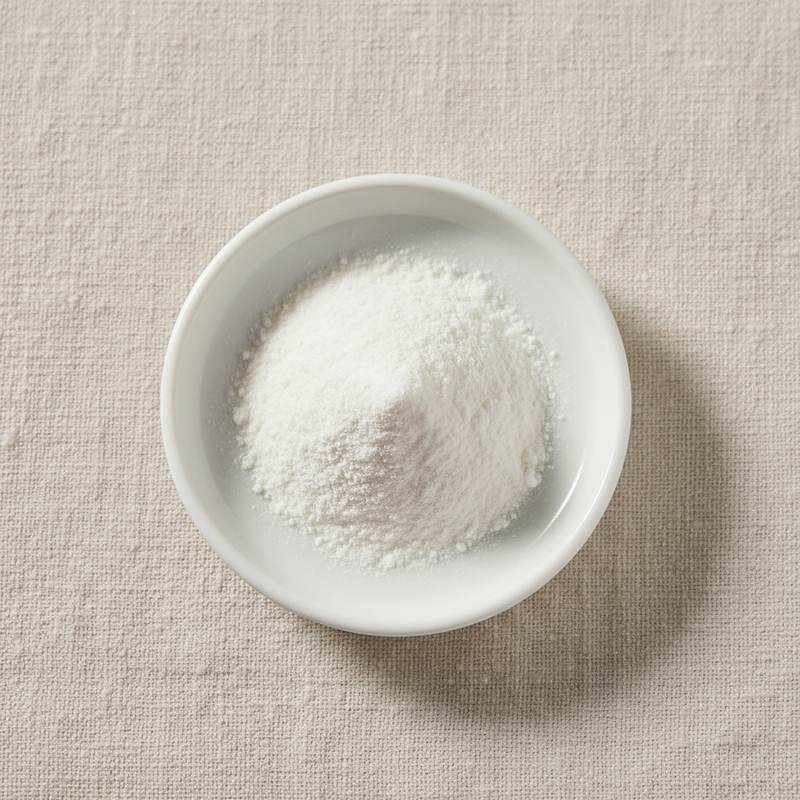
White to off-white free-flowing powder. Dissolves in cold water to produce clear viscous solutions that gel on heating (typical thermogel onset 50 to 80 °C, grade dependent) and re-dissolve on cooling.
We supply food-grade and pharmaceutical-grade Hydroxypropyl Methylcellulose from manufacturers in China holding ISO, Halal, Kosher and other certifications relevant to the product and production.
Common market grades include Standard Food Grade (the workhorse for plant-based meat and gluten-free bakery), High-Viscosity Grade (100000 cP and above for premium meat-alternative formulations), Capsule Grade (the leading vegetarian capsule shell material), Pharmaceutical Sustained-Release Grade meeting USP and EP specifications, and Construction Grade for tile-adhesive and mortar applications.
Bulk and reduced-MOQ shipments. Batch-level COA covering viscosity, methoxyl content, hydroxypropoxyl content, gel point, heavy metals, and microbiology.
Introduction
Hydroxypropyl Methylcellulose was developed in the 1940s and 1950s by Dow Chemical and Hercules as a semi-synthetic functional replacement for natural cellulose in food, pharmaceutical, and construction applications. Modern demand growth is driven by the plant-based meat segment that emerged from 2015 onward.
Industrial production proceeds by alkaline activation of high-purity cellulose pulp (cotton linters or wood pulp), reaction with methyl chloride and propylene oxide under controlled conditions, washing to remove salt by-products, drying, and milling to defined viscosity and particle-size specifications.
Regulated as E464 in the EU, classified as Generally Recognized as Safe by the U.S. FDA, listed in USP, EP, JP, and BP pharmacopoeias, and approved by JECFA with an Acceptable Daily Intake of 25 mg per kg body weight for the cellulose ether group.
The molecule's defining property is the inverse thermal gelation: a cold solution gels on heating because hydrophobic methyl substituents drive polymer-polymer association as water structure breaks down at elevated temperature. The transition is fully reversible on cooling.
Strategic positioning has shifted from traditional bakery and pharmaceutical uses toward plant-based meat alternatives, where the thermogel property gives plant-protein patties and sausages the bite and shape retention of meat through cooking. The pharmaceutical capsule and sustained-release tablet segments remain large stable parallel markets.
Where it is used
- Plant-based meat alternatives: thermal-set gel binder that holds structure during cooking and yields tender bite on chew; the principal modern application driving HPMC demand growth
- Gluten-free bakery: structure and gas retention replacing gluten function; the dominant binder in commercial gluten-free bread and pasta
- Vegetarian capsule shells; the established global alternative to gelatin for pharmaceutical and supplement capsules
- Pharmaceutical sustained-release tablet matrices; the most widely used hydrophilic polymer for controlled-release drug delivery
- Fried foods: oil-barrier coating reducing oil absorption in batter and breading systems
- Sauces and gravies: thickening and emulsion stabilization
- Whipped toppings and foam-stable plant-based dairy alternatives
- Construction applications: tile adhesives, cement renders, and mortars (separate technical grades)
Technical data
| Item | Specification |
|---|---|
| Appearance | White to off-white free-flowing powder |
| Viscosity (2% solution) | 3 to 200000 cP (grade dependent) |
| Methoxyl content | 19% to 30% |
| Hydroxypropoxyl content | 4% to 12% |
| Gel point | 50 °C to 80 °C (grade dependent) |
| Loss on drying | ≤ 5.0% |
| Residue on ignition | ≤ 1.5% |
| pH (1% solution) | 5.0 to 8.0 |
| Heavy metals (as Pb) | ≤ 10 mg/kg |
| Arsenic | ≤ 3 mg/kg |
| Total plate count | ≤ 1000 cfu/g |
Related ingredients
Ready to discuss business?
Send us your spec and requirement. We will respond with availability and pricing within 24 hours.