Description
A synthetic phytosphingosine-based ceramide identical to one of the principal ceramide species in human stratum corneum, previously known as Ceramide 3. Restores barrier lipid composition, reduces transepidermal water loss, and improves the appearance of dry, compromised, and aging skin.
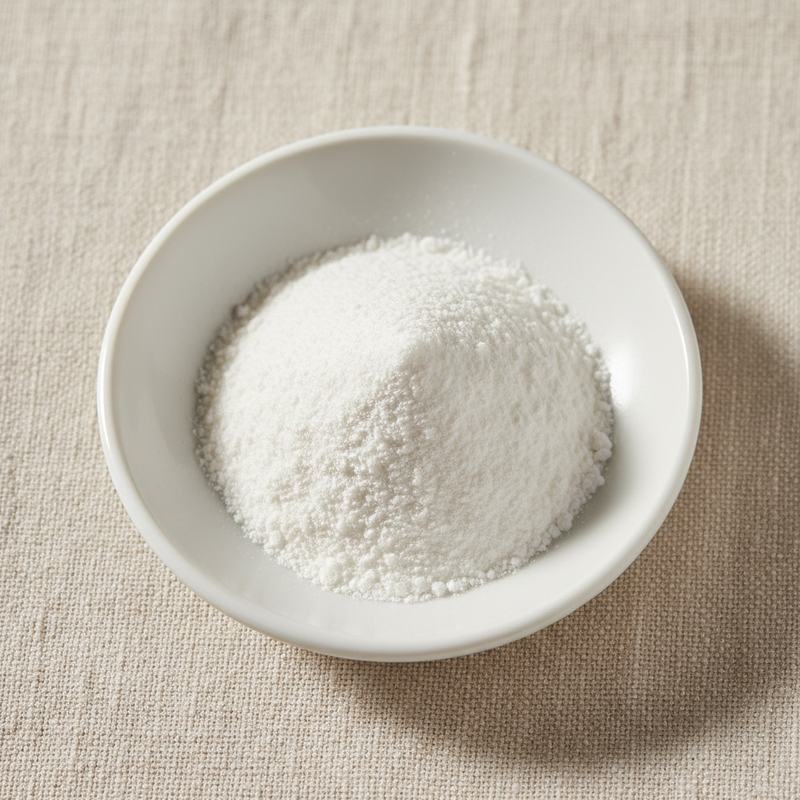
White to off-white waxy solid or fine powder. Insoluble in water, soluble in warm cosmetic oils and lipid solubilizers. Typically pre-dissolved in carrier systems for ease of formulation, since direct dissolution requires temperatures above 70 °C.
We supply cosmetic-grade Ceramide NP from manufacturers in China holding ISO 22716, ISO 9001, Halal, Kosher and pharmaceutical-GMP certifications relevant to the product and production. Yeast-fermentation precursor synthesis is the dominant industrial route, allowing animal-free positioning.
Common market grades include Ceramide NP 95% min, 98% min, and pre-dissolved Ceramide Complex blends (NP, AP, EOP plus cholesterol and free fatty acids) at 5 to 30 percent total ceramide in cosmetic-compatible carriers. Pre-formulated lamellar phase concentrates simplify finished-product manufacturing.
Bulk and reduced-MOQ shipments. Batch-level COA covering HPLC purity, related ceramide content, melting point, heavy metals, and microbiology.
Introduction
Ceramides as a barrier lipid class were characterized in the 1980s by Peter Elias, Mary Williams, and colleagues, who established the three-component lamellar lipid model (ceramides, cholesterol, free fatty acids) of the human stratum corneum. Synthetic cosmetic-grade ceramides emerged in the 1990s and now anchor the dermocosmetic moisturizer category, with CeraVe and La Roche-Posay leading global mass and premium positioning.
Industrial production starts from yeast-fermentation-derived phytosphingosine, which is acylated with palmitoyl chloride or N-palmitoyl precursor reagents, then purified by recrystallization and chromatography. The resulting Ceramide NP (N-palmitoyl phytosphingosine) is identical to one of the principal native human ceramide species.
Regulatory status is that of a listed cosmetic ingredient in CosIng, the PCPC INCI dictionary, and China IECIC. No concentration limit. EU SCCS has not flagged ceramides for restriction. Pharmaceutical wound-care ceramide products are regulated separately under medical device frameworks.
Clinical evidence is substantial. Peer-reviewed double-blind studies show finished products with 0.1 to 2 percent total ceramide content reduce transepidermal water loss, improve stratum corneum hydration, and accelerate barrier recovery after surfactant or tape-stripping challenges. Multi-ceramide formulations replicating the native 1:1:1 ratio of ceramides, cholesterol, and free fatty acids show the strongest effects.
Strategically, ceramides are the defining barrier-repair actives of the modern dermocosmetic category. CeraVe's Multivitamin Healing Ointment and Cleanser anchored mass-market adoption, while EltaMD and Dr. Jart+ extended premium positioning. Demand is growing double-digit globally.
Where it is used
- Barrier-repair creams and emulsions (cornerstone of dermocosmetic moisturizer category)
- Anti-aging serums positioned around aging-skin barrier loss
- Eczema and atopic-skin adjunct cosmetic products
- Post-procedure recovery creams
- Sensitive-skin moisturizers and night creams
- Lip and eye contour treatments
- Multi-ceramide formulations replicating natural lipid ratios
- Combination products with cholesterol, free fatty acids, and panthenol
- Baby and pediatric dermocosmetic lines
Technical data
| Item | Specification |
|---|---|
| Appearance | White to off-white waxy solid or fine powder |
| INCI Name | Ceramide NP |
| Assay (HPLC) | ≥ 95.0% |
| Melting point | 97 °C to 102 °C |
| Free phytosphingosine | ≤ 1.0% |
| Loss on drying | ≤ 1.0% |
| Total ash | ≤ 0.5% |
| Heavy metals (as Pb) | ≤ 10 mg/kg |
| Arsenic | ≤ 2 mg/kg |
| Total plate count | ≤ 100 CFU/g |
| E. coli, Salmonella, S. aureus, P. aeruginosa | Negative |
| Storage | Cool, dry, sealed; below 30 °C |
| Source | Synthetic, yeast-fermentation phytosphingosine acylation |
Related ingredients
Ready to discuss business?
Send us your spec and requirement. We will respond with availability and pricing within 24 hours.