Description
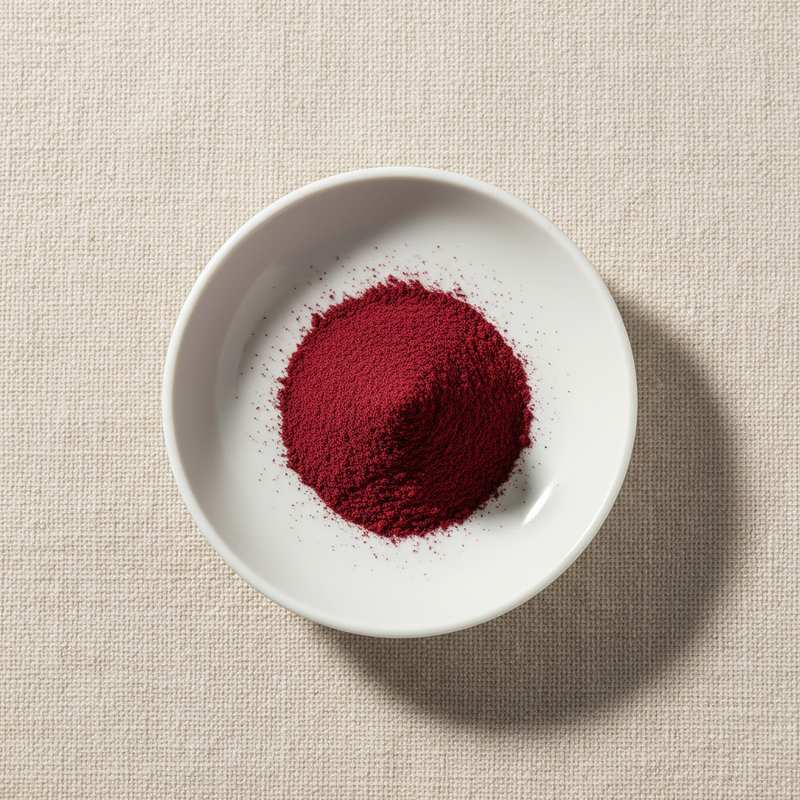
A synthetic bluish-red to maroon water-soluble azo dye. Chemically the disodium salt of 4-hydroxy-3-(4-sulfo-1-naphthylazo)-1-naphthalenesulfonate, listed in the EU as E122. Delivers a deep cool red distinct from the warmer tone of Allura Red.
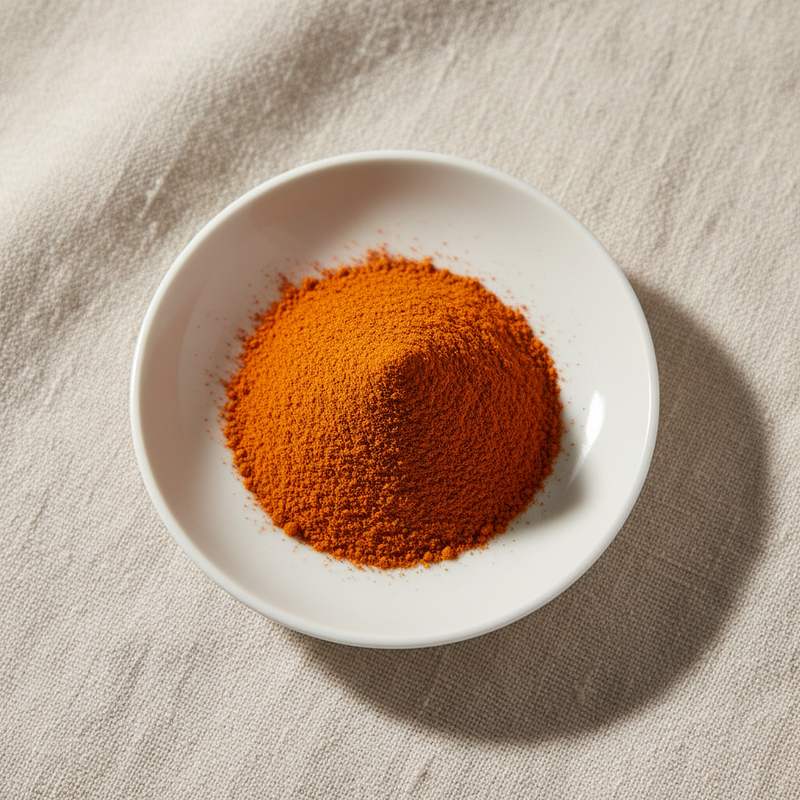
Red to maroon free-flowing fine powder. Water-soluble in the dye form, with the corresponding aluminum lake produced for fat-based, tablet-coating, and confectionery applications.
We supply food-grade Carmoisine from manufacturers in China holding ISO, Halal, Kosher and other certifications relevant to the product and production. Both the soluble dye and the aluminum lake are produced. Buyers should verify destination market regulatory status, as the dye is not approved for food use in the United States or several other markets.
Common market grades are sold by dye content: pure dye at minimum 85 percent total coloring matter and aluminum lake at 10 percent to 40 percent dye content.
Bulk and reduced-MOQ shipments. Batch-level COA covering total dye content, subsidiary colors, uncombined intermediates, heavy metals, and microbiology.
Introduction
Carmoisine was developed in the early twentieth century and approved for food use in Europe through the mid-twentieth century. It remains a permitted synthetic red in the EU, UK, and many Commonwealth and Middle Eastern markets, but is not approved for food use in the United States, Japan, Canada, or Norway.
Production proceeds by diazotization of 4-aminonaphthalene-1-sulfonic acid, coupling with 1-naphthol-4-sulfonic acid, and isolation as the disodium salt. The crude dye is purified by recrystallization and standardized to declared total coloring matter content.
Regulated as E122 in the EU and approved by JECFA with an Acceptable Daily Intake of 4 mg per kg body weight. In the EU, products containing Carmoisine must carry the Southampton-related child-activity warning, and several major EU food manufacturers voluntarily removed the dye from products following the 2008 voluntary phase-out initiative.
Technical performance is excellent: stable through baking, retort, UHT, and pasteurization, broad pH compatibility from 3 to 9, excellent light stability, and compatibility with most food ingredients.
Strategically, Carmoisine occupies a declining share of the global red dye market because of its narrower regulatory footprint and the child-activity warning. Reformulation routes through Anthocyanin, Beetroot Red, and Carmine are the principal clean-label paths in the EU and adjacent markets.
Where it is used
- Soft drinks, juice drinks, and powdered drink mixes in raspberry, blackberry, and cherry shades
- Sugar confectionery, gummies, and hard candies
- Yogurts and flavored dairy products in EU markets
- Jams, jellies, and dessert toppings
- Bakery products including sponge cakes, biscuits, and decorative icings
- Ice cream and frozen dairy desserts
- Pharmaceutical tablets, capsules, and syrups
- Cosmetics and personal-care preparations
Technical data
| Item | Specification |
|---|---|
| Appearance | Red to maroon powder |
| Chemical class | Synthetic monoazo dye |
| Total coloring matter (dye) | ≥ 85.0% |
| Aluminum lake dye content | 10%, 20%, 30%, or 40% (per grade) |
| Color value (E1%, 1cm, 516 nm) | ≥ 555 |
| Solubility | Freely soluble in water (dye); insoluble (lake) |
| Light stability | Excellent |
| Heat stability | Excellent; stable through baking and retort |
| pH stability range | 3.0 to 9.0 |
| Subsidiary colors | ≤ 2.0% |
| Lead | ≤ 2 mg/kg |
| Arsenic | ≤ 1 mg/kg |
Related ingredients
Ready to discuss business?
Send us your spec and requirement. We will respond with availability and pricing within 24 hours.