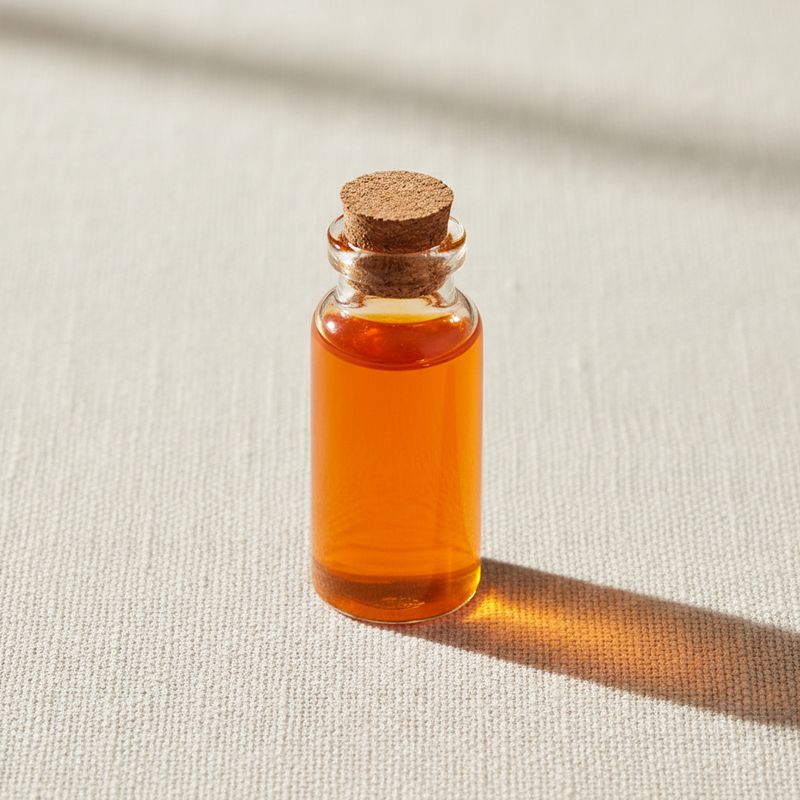
Description
A standardized oleoresin of red pepper (Capsicum annuum) containing capsaicinoids (capsaicin and dihydrocapsaicin) at known pungency. Used in feed to stimulate digestive secretions, feed intake in weaner pigs, and microbial modulation.
Free-flowing powder when adsorbed onto silica, starch, or maltodextrin carrier, or microencapsulated for pelleted feed compatibility. The encapsulated form prevents skin and respiratory irritation during feed mill handling.
We supply feed-grade Capsicum Oleoresin from manufacturers in China holding ISO, FAMI-QS, and other certifications relevant to the product and production.
Common market grades are standardized to total capsaicinoids of 0.3 percent, 1 percent, and 2 percent on carrier, with pungency expressed in Scoville Heat Units on the COA.
Bulk and reduced-MOQ shipments. Batch-level COA covering capsaicinoid content, moisture, and microbiology.
Introduction
Capsaicinoids activate the TRPV1 receptor in oral, gastric, and intestinal sensory neurons, producing the characteristic burn sensation and stimulating reflex secretion of saliva, gastric acid, pancreatic enzymes, and bile. The downstream digestive consequences are improved feed intake, faster nutrient digestion, and modified gut motility.
The pigment fraction (capsanthin and capsorubin) contributes red-orange coloration to egg yolk, broiler skin, and salmon flesh, which adds a secondary commercial value beyond the digestive stimulant action.
Pungency standardization is critical for feed-grade products because raw paprika varies in capsaicinoid content by an order of magnitude depending on cultivar. Commercial feed-grade capsicum oleoresin is assayed by HPLC and labeled in Scoville Heat Units or in milligrams per kilogram of capsaicinoid equivalent.
Approved as a feed flavoring in the EU and registered as a feed material or phytogenic in most major livestock markets.
Where it is used
- Piglet weaner feeds for appetite stimulation during the post-weaning intake drop
- Broiler feeds for digestive secretion stimulation and gut microbial modulation
- Layer feeds for yolk color enhancement (paprika carotenoids) and digestive support
- Sow lactation diets for feed intake stimulation
- Aquaculture feeds for palatability and pigmentation (shrimp, salmonids)
- Companion animal palatants
- Component of phytogenic appetite-and-digestion premixes
- Antibiotic-alternative programs in swine and poultry production
Technical data
| Item | Specification |
|---|---|
| Appearance | Free-flowing red to dark red powder |
| Total capsaicinoids | 0.3%, 1.0%, or 2.0% (per grade) |
| Pungency | 30,000 to 320,000 SHU (proportional to capsaicinoid content) |
| Moisture | ≤ 6.0% |
| Heavy metals (as Pb) | ≤ 10 mg/kg |
| Arsenic | ≤ 2 mg/kg |
| Salmonella | Absent in 25 g |
| Particle size | 40 to 80 mesh standard, or per customer specification |
Related ingredients
Ready to discuss business?
Send us your spec and requirement. We will respond with availability and pricing within 24 hours.