Description
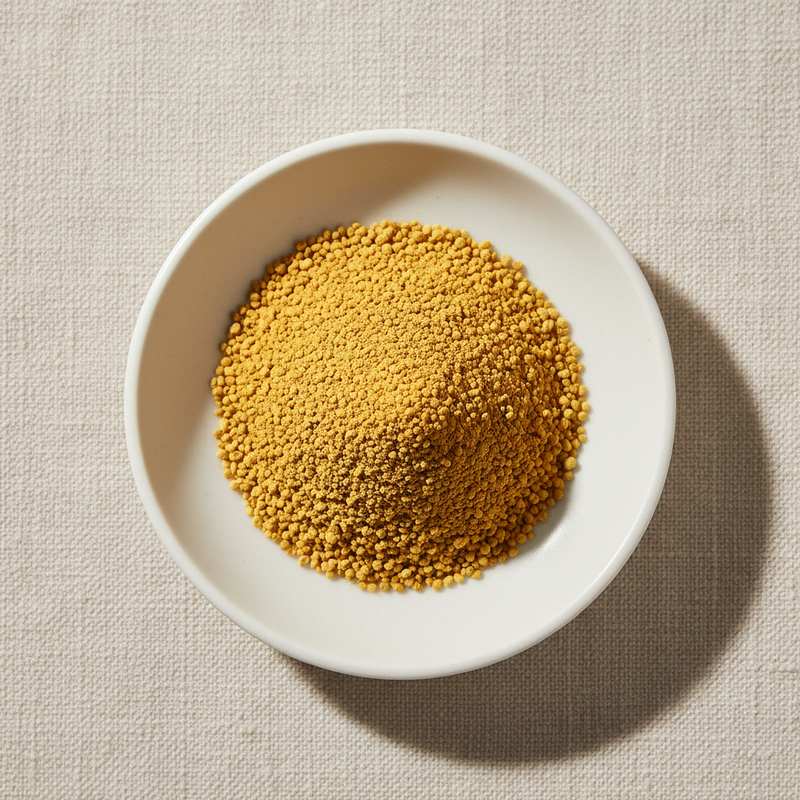
Cleaned, dried, and graded pollen granules collected by honeybees from flowering plants and gathered by beekeepers using hive-entrance pollen traps. A complete natural food with proteins, carbohydrates, lipids, vitamins, minerals, and a complex polyphenol profile.
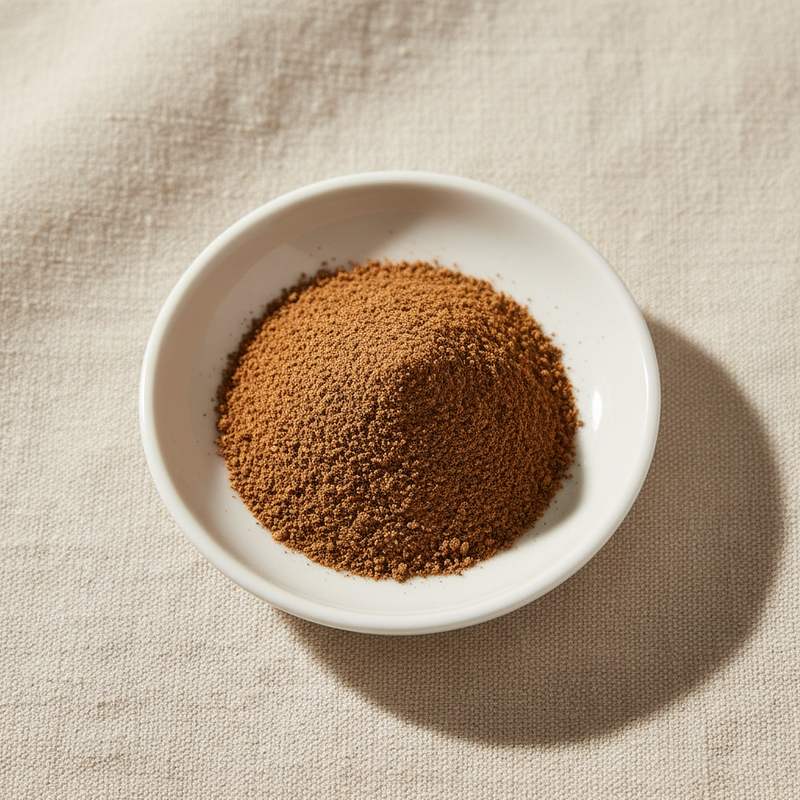
Free-flowing granules in mixed colors from yellow and orange through brown to deep purple, reflecting the diversity of floral sources visited by the bees. Mild floral and honey aroma with a slightly sweet, pollen-characteristic taste.
We supply food-grade Bee Pollen Granules from manufacturers in China holding ISO, Halal, Kosher, GMP and other certifications relevant to the product and production.
Common market grades include multi-floral standard, rape-flower predominant, tea-tree predominant, and customer-specified single-source pollens. Granule color and aroma profile are documented per lot.
Bulk and reduced-MOQ shipments. Batch-level COA covering moisture, protein, ash, microbiology, pesticide residues, and heavy metals.
Introduction
Bee pollen is gathered by honeybees from flowering plants and packed into pollen baskets on their hind legs for transport back to the hive, where it serves as the primary protein source for developing larvae. Beekeepers harvest a fraction of the inbound pollen using a wire mesh at the hive entrance, taking care not to deplete colony stores.
The collected pollen is cleaned of debris and dead bees, dried under controlled temperature to approximately 6 percent moisture, and sorted by color and granule integrity. Final product is sealed to prevent moisture and microbial degradation.
Composition varies with floral source but typically includes 20 to 25 percent protein, 30 to 55 percent carbohydrates, 5 to 10 percent lipids, and a complex micronutrient and polyphenol fraction. The natural variability is part of the product identity and is documented per lot rather than standardized.
Chinese pollen production is concentrated in regions with diverse flowering crops including rapeseed in spring, tea plantations in summer, and mixed wildflower meadows. Production scale supports both domestic and export demand at competitive cost.
Pollen allergies are documented in sensitive individuals and consumer products typically carry appropriate cautionary information.
Where it is used
- Premium dietary supplements in capsule, tablet, and loose-granule formats
- Functional honey blends and bee-product nutritional packs
- Energy bars, breakfast cereals, and granola fortification
- Yogurt and smoothie functional toppings
- Sports nutrition and recovery formulations
- Cosmetic and skincare premium ingredient applications
- Allergy desensitization regimens under practitioner supervision
- Pet supplements for senior and immune support
Technical data
| Item | Specification |
|---|---|
| Appearance | Free-flowing multi-colored granules |
| Moisture | ≤ 6.0% |
| Protein | ≥ 20.0% |
| Ash | ≤ 4.0% |
| Foreign matter | ≤ 0.5% |
| Total plate count | ≤ 10000 cfu/g |
| Yeast and mold | ≤ 100 cfu/g |
| Salmonella | Negative in 25 g |
| Heavy metals (as Pb) | ≤ 1 mg/kg |
Related ingredients
Ready to discuss business?
Send us your spec and requirement. We will respond with availability and pricing within 24 hours.