Description
A high-potency royal jelly extract standardized to elevated 10-HDA content beyond the conventional 6 percent benchmark, produced by selective extraction and concentration of the bioactive fatty acid fraction from fresh royal jelly.
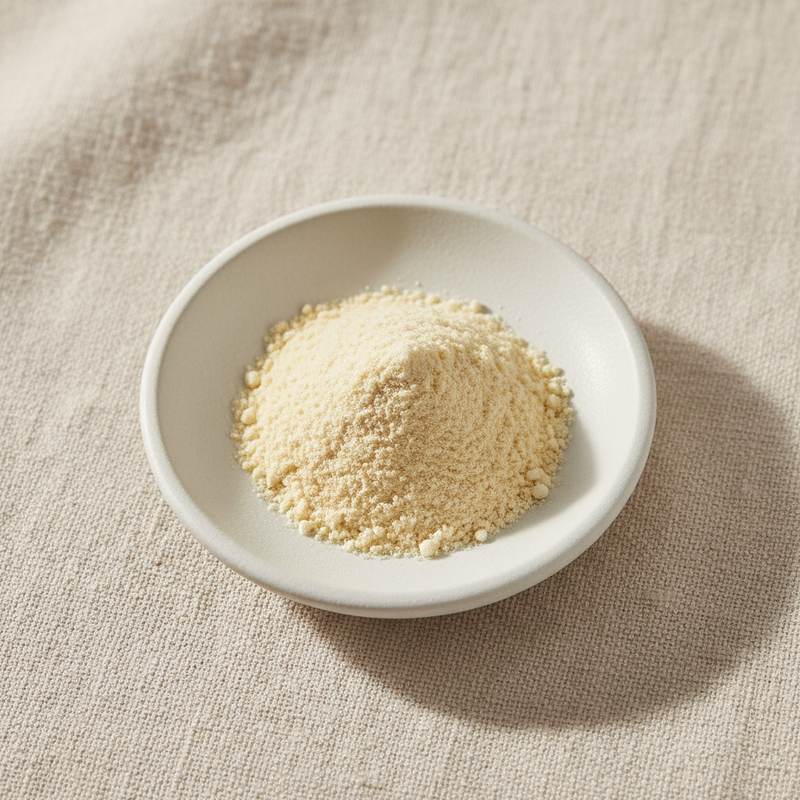
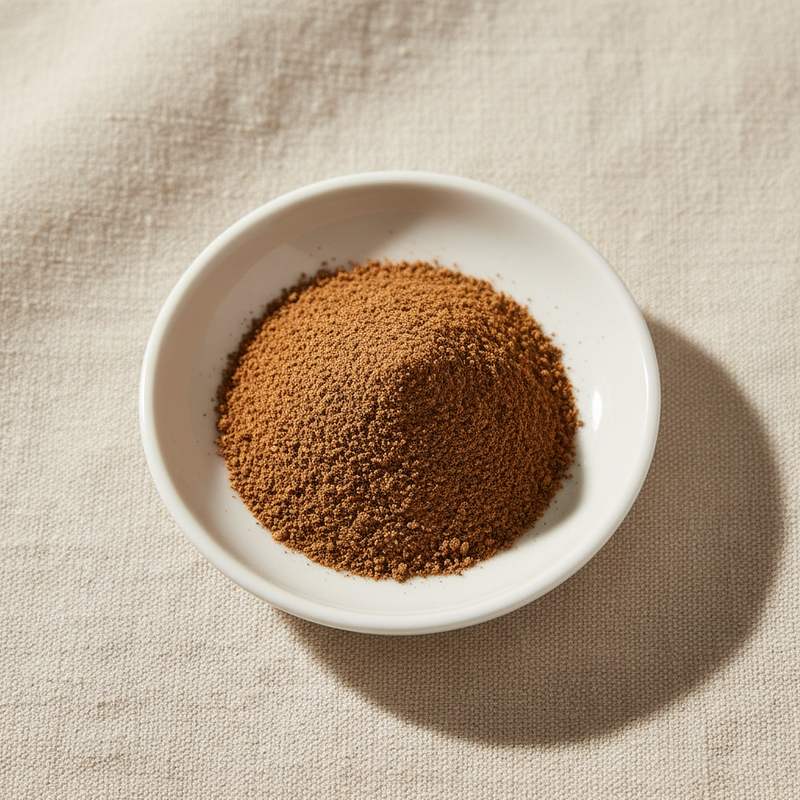
Pale yellow to off-white fine powder with the characteristic acidic aroma of concentrated royal jelly bioactives. The standardization process preserves the natural protein and peptide content while concentrating the 10-HDA marker.
We supply standardized royal jelly extracts from manufacturers in China holding ISO, Halal, Kosher, GMP and other certifications relevant to the product and production.
Common market grades include 10% 10-HDA, 15% 10-HDA, and 20% 10-HDA. Higher concentrations support compact dosage forms in capsule and tablet products targeting premium nutraceutical positioning.
Bulk and reduced-MOQ shipments. Batch-level COA covering 10-HDA content by HPLC, marker fingerprint, moisture, microbiology, and heavy metals.
Introduction
10-Hydroxy-2-decenoic acid is a 10-carbon unsaturated fatty acid with a terminal hydroxyl group, unique among natural products to royal jelly. It is the principal candidate bioactive in the documented effects of royal jelly on cell proliferation, antimicrobial action, and putative epigenetic effects studied in queen-larva development.
Standardization beyond the conventional 6 percent fresh-equivalent benchmark involves selective extraction of the lipid fraction of royal jelly, partial purification, and reblending with carrier proteins or maltodextrin to a target 10-HDA concentration. Higher standardization preserves the natural matrix character while compacting the bioactive into a smaller dosage form.
Use of 10-HDA standardized extracts is most common in premium positioning where finished-product capsule or tablet size constrains royal jelly inclusion at conventional 6 percent material.
Regulatory framework for royal jelly varies by jurisdiction. In the European Union royal jelly is a permitted food supplement ingredient subject to allergen labeling. In the United States it is recognized as a dietary ingredient under the Dietary Supplement Health and Education Act.
Royal jelly allergies are documented in sensitive individuals, particularly those with bee venom and pollen allergies, and finished products carry appropriate cautionary information.
Where it is used
- High-potency royal jelly supplements where compact dosage forms are required
- Anti-aging and skin-health nutraceutical formulations
- Women's health and hormonal support premium products
- Cognitive and neurological support supplements
- Topical cosmetic applications for anti-aging skincare
- Combination bee-product premium supplement packs
- Pharmaceutical and clinical nutrition research applications
Technical data
| Item | Specification |
|---|---|
| Appearance | Pale yellow to off-white fine powder |
| 10-HDA content (HPLC) | ≥ 10.0% |
| Moisture | ≤ 5.0% |
| Protein | ≥ 20.0% |
| Ash | ≤ 5.0% |
| Total plate count | ≤ 1000 cfu/g |
| Yeast and mold | ≤ 100 cfu/g |
| Salmonella | Negative in 25 g |
| Heavy metals (as Pb) | ≤ 1 mg/kg |
Related ingredients
Ready to discuss business?
Send us your spec and requirement. We will respond with availability and pricing within 24 hours.