Description
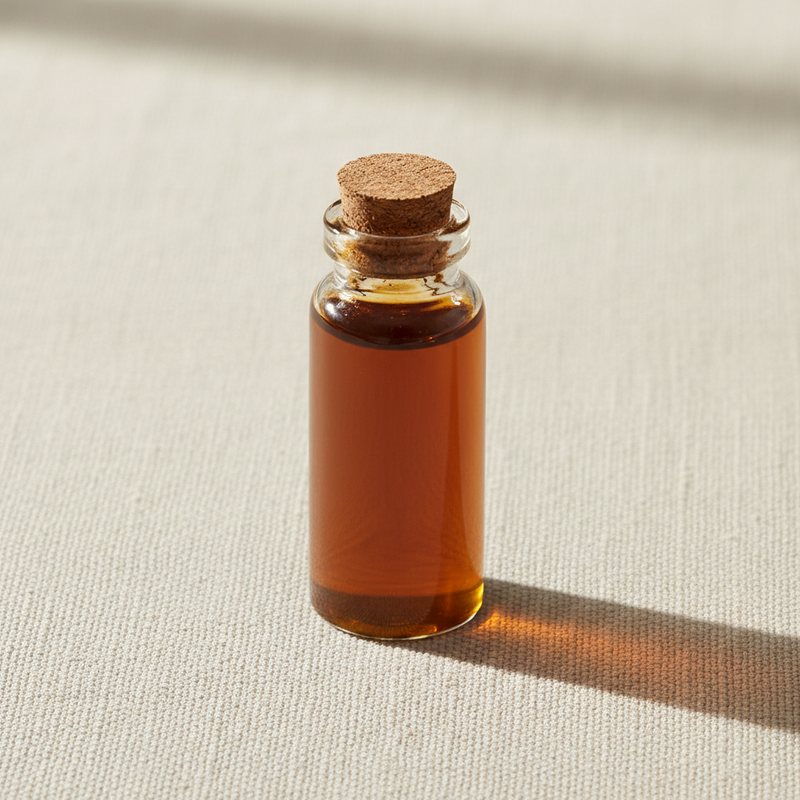
A high-concentration propolis extract standardized to 70 percent total flavonoids on a dry-extract basis. Produced from raw propolis (bee glue) by ethanol extraction, concentration, and where required water-soluble conversion through carrier complexation.
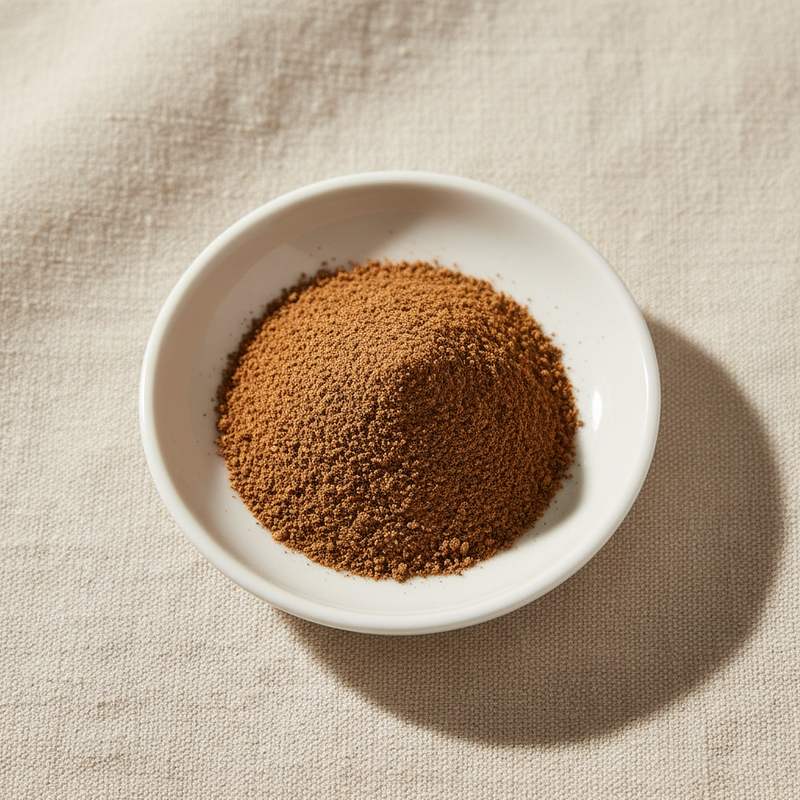
Yellow-brown to dark-brown fine powder with the characteristic resinous, slightly balsamic aroma of propolis. Available in alcohol-soluble, water-soluble (cyclodextrin-complexed), and oil-soluble formats.
We supply food-grade and supplement-grade Propolis Extract from manufacturers in China holding ISO, Halal, Kosher, GMP and other certifications relevant to the product and production.
Common market grades include Propolis Extract 70% Flavonoids (the premium nutraceutical standard), 50% Flavonoids (cost-balanced), and 30% Flavonoids (mass-market). Brazilian green propolis and Chinese poplar propolis are the two principal source types.
Bulk and reduced-MOQ shipments. Batch-level COA covering total flavonoids by spectrophotometry, ethanol residue, microbiology, and heavy metals.
Introduction
Propolis is the resinous mixture that honeybees collect from tree buds, sap flows, and other botanical sources, then combine with beeswax and salivary enzymes for use as a hive sealant, antimicrobial coating, and structural material. The Greek root means defense of the city, reflecting its hive-protective function.
Composition varies substantially with geographic source. Chinese propolis derives predominantly from poplar tree buds and is rich in flavonoids including pinocembrin, galangin, and chrysin. Brazilian green propolis derives from Baccharis dracunculifolia and is rich in artepillin C, a different bioactive profile. Both source types are commercially significant.
Extraction is typically by 70 to 95 percent ethanol, which dissolves the flavonoids and other polyphenols while leaving beeswax and other insoluble matter. The crude extract is concentrated under vacuum and spray-dried with carriers to yield a standardized powder.
Water-soluble propolis is produced by complexation with cyclodextrins or other amphipathic carriers, supporting use in beverage and aqueous-system applications where ethanol extracts would precipitate.
Regulatory framework treats propolis as a food supplement ingredient with broad acceptance in major markets. Allergic reactions are documented in sensitive individuals and finished products typically carry appropriate cautionary information.
Where it is used
- Premium propolis supplements in capsule, tablet, and lozenge formats
- Immune support and throat health formulations
- Oral hygiene products including throat sprays, lozenges, and mouthwashes
- Functional confectionery including throat lozenges and chewable products
- Cosmetic and skincare antimicrobial functional ingredient
- Combination bee-product supplement packs with royal jelly and pollen
- Veterinary supplements and pet immune support
- Topical wound-care and oral-care professional products
Technical data
| Item | Specification |
|---|---|
| Appearance | Yellow-brown to dark-brown fine powder |
| Total flavonoids (spectrophotometry) | ≥ 70.0% |
| Moisture | ≤ 5.0% |
| Ash | ≤ 5.0% |
| Ethanol residue | ≤ 1000 mg/kg |
| Total plate count | ≤ 1000 cfu/g |
| Yeast and mold | ≤ 100 cfu/g |
| Salmonella | Negative in 25 g |
| Heavy metals (as Pb) | ≤ 1 mg/kg |
Related ingredients
Ready to discuss business?
Send us your spec and requirement. We will respond with availability and pricing within 24 hours.