Description
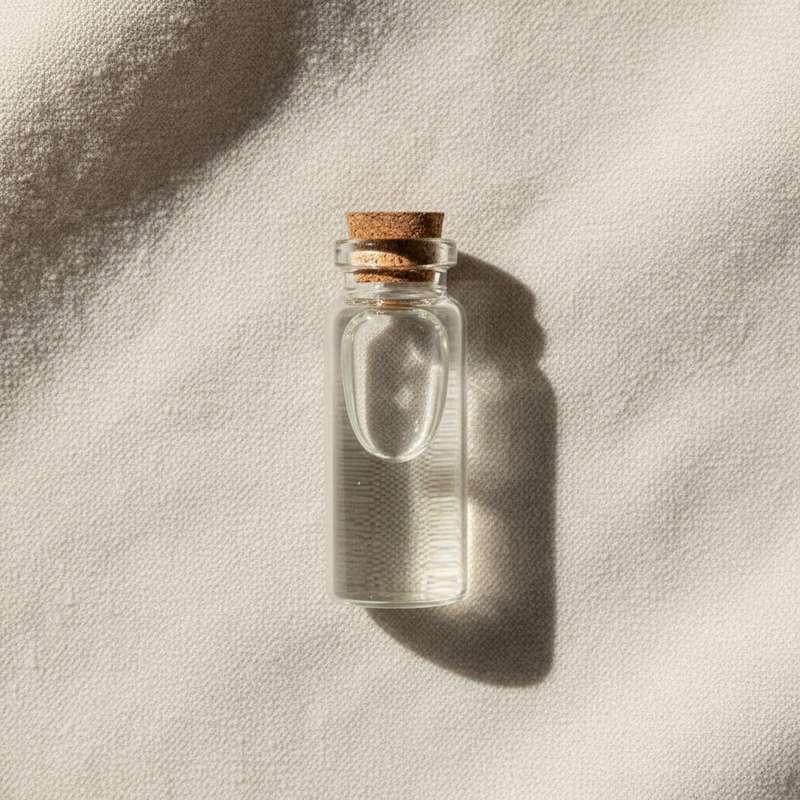
A sesquiterpene alcohol originally isolated from German chamomile and now produced from Candeia tree oil or by biosynthetic fermentation. The principal natural anti-inflammatory and skin-soothing terpene of the global cosmetic category, with broad regulatory and clinical support.
Clear, colorless to pale yellow viscous liquid with a characteristic faint floral-balsamic odor. Insoluble in water, fully oil-soluble and miscible with ethanol and propylene glycol. Stable across the cosmetic pH range with low oxidation sensitivity.
We supply cosmetic-grade Alpha-Bisabolol from manufacturers in China and South America holding ISO 22716, ISO 9001, Halal, Kosher, ECOCERT and COSMOS certifications relevant to the product and production. Natural levo isomer (the active form), synthetic racemate, and biofermentation grades are all available.
Common market grades include Natural Levo Bisabolol 95% min (premium grade, Candeia or chamomile origin), Synthetic Racemic Bisabolol 95% min (cost-effective, lower activity), and Biotech Levo Bisabolol 99% min (fermentation-derived, sustainability-positioned premium grade). Natural levo is the preferred form for efficacy claims.
Bulk and reduced-MOQ shipments. Batch-level COA covering GC purity, optical rotation, refractive index, peroxide value, and microbiology.
Introduction
Alpha-bisabolol was first isolated in pure form in the 1950s from German chamomile (Matricaria recutita) essential oil. Cosmetic adoption accelerated through the 1980s and 1990s as the natural anti-inflammatory active of choice in mass-market sensitive-skin formulations.
Industrial production has three principal routes. Steam distillation of Candeia tree wood (Eremanthus erythropappus) from Brazil provided the dominant supply through the 2000s but is constrained by sustainable forestry concerns. Chemical synthesis from farnesol or nerolidol yields the racemic compound at lower price but lower activity. Biofermentation routes using engineered yeast strains now provide premium-grade natural levo bisabolol with strong sustainability positioning.
Regulatory status is that of a listed cosmetic ingredient in CosIng, the PCPC INCI dictionary, and China IECIC. No fixed concentration limit at the cosmetic level. The U.S. FDA recognizes bisabolol as a flavoring substance under GRAS for food use, providing strong cross-category safety support.
Clinical evidence shows alpha-bisabolol at 0.5 to 1 percent reduces UV-induced erythema, surfactant-induced irritation scores, and post-procedure inflammation markers. The natural levo isomer is approximately twice as active as the synthetic racemate in standard anti-inflammatory assays.
Strategically, alpha-bisabolol is the workhorse natural anti-inflammatory of the global cosmetic industry, present in tens of thousands of finished products from baby care to premium dermocosmetic positioning. Biofermentation supply is rapidly displacing Candeia-sourced material as the sustainability-positioned premium grade.
Where it is used
- Soothing creams and lotions for sensitive skin (typical use 0.1 to 1 percent)
- Anti-redness serums and rosacea-adjunct cosmetic products
- Sun care, after-sun lotions, and post-procedure recovery products
- Baby care creams, balms, and shampoos
- Anti-acne products combining bisabolol with salicylic or tea tree
- Eye contour treatments
- Aftershave balms and post-depilation soothers
- Premium dermocosmetic moisturizers
- Mouth care products and lip balms
Technical data
| Item | Specification |
|---|---|
| Appearance | Clear colorless to pale yellow viscous liquid |
| INCI Name | Bisabolol |
| Assay (GC) | ≥ 95.0% (natural) or ≥ 95.0% (synthetic) |
| Optical rotation (20 °C) | −55° to −60° (natural levo) or 0° (synthetic racemate) |
| Refractive index (20 °C) | 1.491 to 1.500 |
| Specific gravity (20 °C) | 0.920 to 0.940 |
| Acid value | ≤ 1.0 mg KOH/g |
| Peroxide value | ≤ 10 meq/kg |
| Color (Gardner) | ≤ 2 |
| Heavy metals (as Pb) | ≤ 10 mg/kg |
| Arsenic | ≤ 2 mg/kg |
| Total plate count | ≤ 100 CFU/g |
| E. coli, Salmonella, S. aureus, P. aeruginosa | Negative |
| Source | Candeia distillation, chamomile, fermentation, or synthesis (per grade) |
Related ingredients
Ready to discuss business?
Send us your spec and requirement. We will respond with availability and pricing within 24 hours.