Description
Alpha-Amylase is an endo-acting carbohydrase that hydrolyses internal alpha-1,4-glucosidic bonds in starch, amylose and amylopectin, releasing dextrins, oligosaccharides and reducing sugars. The enzyme is the workhorse of starch liquefaction, baking and brewing.
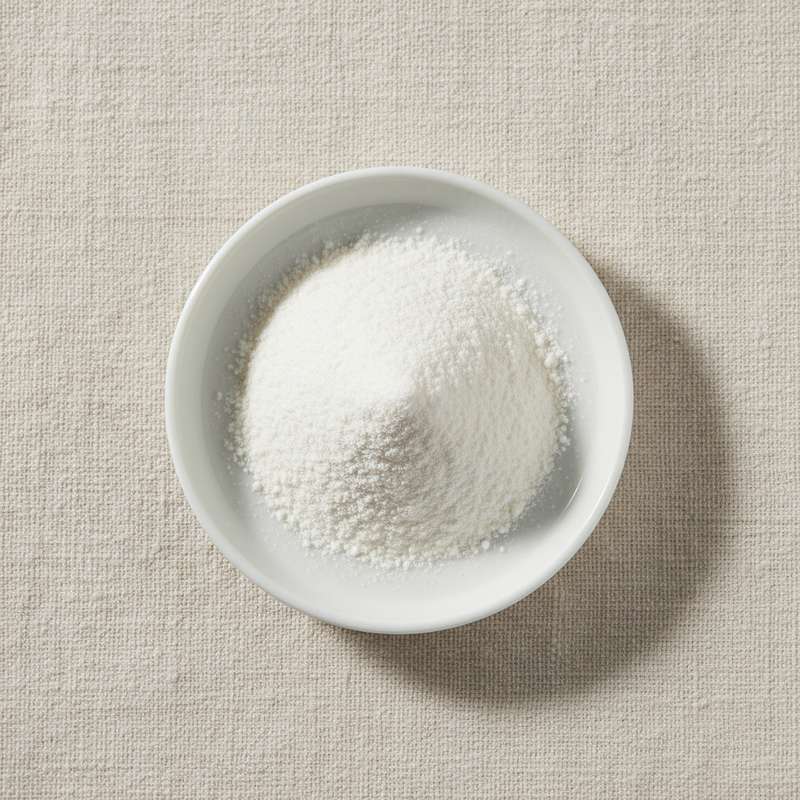
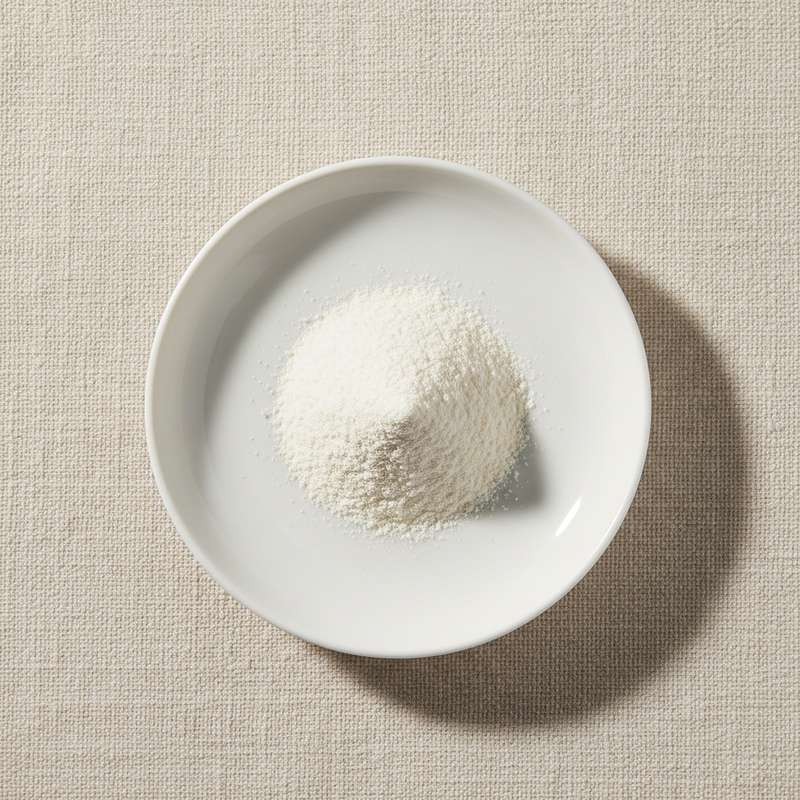
Off-white to light tan free-flowing powder, or amber liquid for dosing in continuous lines. Activity is standardised in Bacterial Amylase Units (BAU) or Soxhlet Units (SKB) depending on application and source organism.
We supply food-grade Alpha-Amylase from manufacturers in China holding ISO 22000, FSSC 22000, Halal, Kosher and other certifications relevant to the product and production. Both bacterial (Bacillus licheniformis, Bacillus subtilis, Bacillus amyloliquefaciens) and fungal (Aspergillus oryzae) source organisms are available.
Common market grades include bacterial liquid 20,000 to 40,000 BAU/mL for starch liquefaction, thermostable liquid 120,000 to 200,000 BAU/g for high-temperature jet cooking, fungal powder 4,000 to 10,000 SKB/g for bakery dough conditioning, and maltogenic amylase preparations for anti-staling in bread.
Bulk and reduced-MOQ shipments. Batch-level COA covering activity, pH optimum, temperature optimum, moisture, heavy metals, microbiology and source organism declaration.
Introduction
Alpha-Amylase was first isolated from malted barley in 1833 by French chemists Anselme Payen and Jean-Francois Persoz, who named the enzyme diastase. It was the first enzyme ever discovered and named in the modern scientific sense, predating the term enzyme itself.
Modern industrial production is overwhelmingly by submerged fermentation of selected Bacillus and Aspergillus strains. Bacillus licheniformis and Bacillus amyloliquefaciens dominate high-temperature starch processing because their enzymes remain active at 95 to 105 degrees Celsius during jet cooking. Aspergillus oryzae fungal amylase, active at lower temperatures around 50 to 60 degrees Celsius, dominates the bakery segment.
The enzyme is Generally Recognized as Safe by the U.S. FDA when produced from approved source organisms, listed in the JECFA compendium of food enzymes, and approved as a processing aid in the EU under Regulation 1332/2008. No Acceptable Daily Intake is assigned because the enzyme is denatured during processing and not present as an active component of the finished food.
Mechanistically, alpha-amylase cleaves internal alpha-1,4-glycosidic bonds at random positions along the starch chain, producing a rapid drop in viscosity. This endo-action distinguishes it from beta-amylase and glucoamylase, which act from the chain ends.
The strategic position of alpha-amylase in industrial food processing is unique: it is the first enzyme added in almost every starch-based process, and downstream enzyme economics (glucoamylase, pullulanase, glucose isomerase) depend on the dextrins it produces.
Where it is used
- Starch liquefaction in the production of glucose syrup, maltose syrup, high-fructose corn syrup and dextrose
- Bread, bun and pastry dough conditioning; releases fermentable sugars and extends crumb softness
- Anti-staling in commercial bakery; maltogenic alpha-amylase grades retard amylopectin retrogradation
- Brewing of beer and grain spirits; mash liquefaction and adjunct conversion
- Production of maltodextrin and glucose syrup solids
- Alcohol fermentation feedstock preparation in distilleries
- Cereal-based infant food and breakfast cereal viscosity reduction
- Textile desizing and starch removal from finished fabric
- Detergent formulations for starch-stain removal in dishwasher and laundry products
Technical data
| Item | Specification |
|---|---|
| Appearance | Off-white to light tan powder or amber liquid |
| Activity (powder) | 4,000 to 200,000 BAU/g or per customer specification |
| Activity (liquid) | 20,000 to 120,000 BAU/mL or per customer specification |
| pH optimum | 5.5 to 7.0 (bacterial); 4.8 to 5.8 (fungal) |
| Temperature optimum | 70 °C to 95 °C (bacterial); 50 °C to 60 °C (fungal) |
| Moisture | ≤ 8.0% |
| Heavy metals (as Pb) | ≤ 10 mg/kg |
| Arsenic | ≤ 3 mg/kg |
| Total plate count | ≤ 50,000 CFU/g |
| Coliforms | ≤ 30 CFU/g |
| Salmonella | Absent in 25 g |
| E. coli | Absent in 25 g |
| Source organism | Bacillus licheniformis, Bacillus subtilis, Bacillus amyloliquefaciens or Aspergillus oryzae |
Related ingredients
Ready to discuss business?
Send us your spec and requirement. We will respond with availability and pricing within 24 hours.