Description
Maltogenic Amylase is an exo-acting alpha-amylase (glucan 1,4-alpha-maltohydrolase) that hydrolyses alpha-1,4-glucosidic bonds from the non-reducing ends of starch and dextrins, releasing alpha-maltose units. In commercial baking it is the principal anti-staling enzyme.
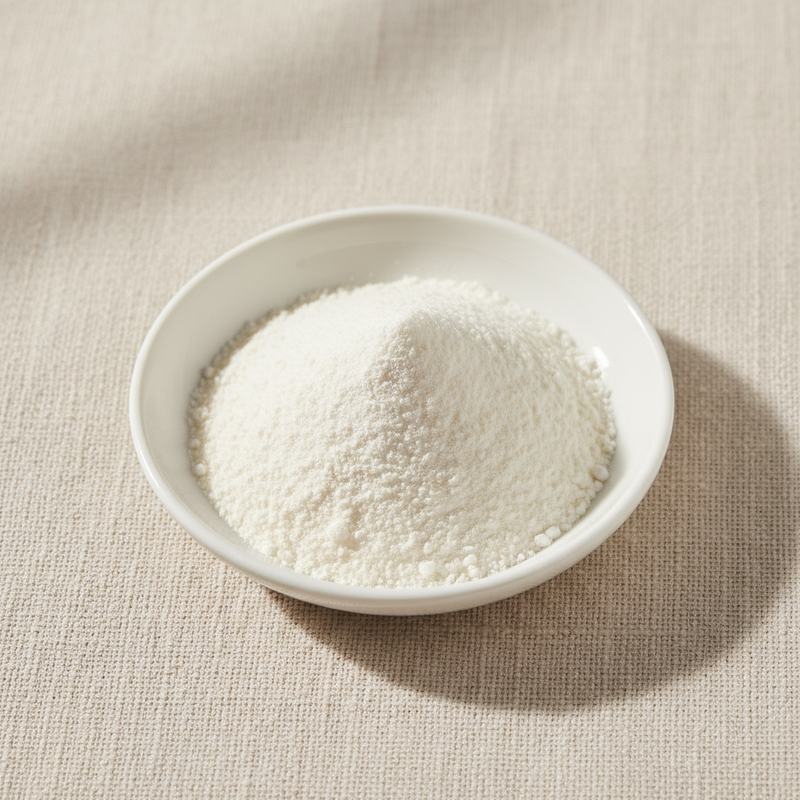
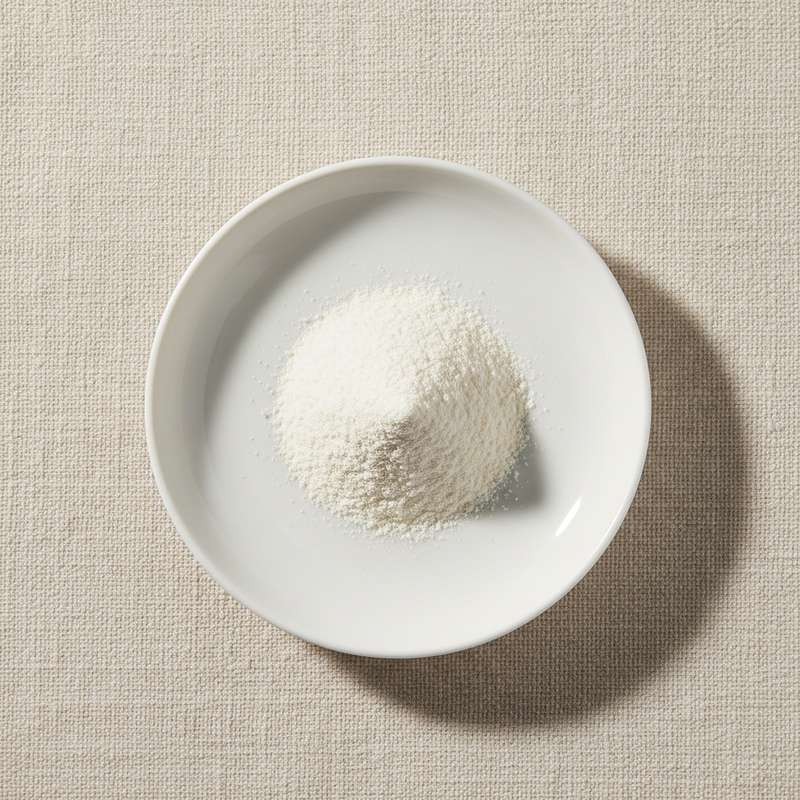
Off-white to light tan free-flowing powder, or amber liquid for in-line dosing. Activity is standardised in Maltogenic Amylase Novo Units (MANU) or per supplier convention.
We supply food-grade Maltogenic Amylase from manufacturers in China holding ISO 22000, FSSC 22000, Halal, Kosher and other certifications relevant to the product and production. Bacillus stearothermophilus and engineered Bacillus subtilis are the dominant source organisms.
Common market grades include 1,000 MANU/g standard bakery powder, 3,000 to 5,000 MANU/g concentrated for premium improver blends, 10,000 MANU/g high-activity grade, and intermediate-temperature variants tuned to specific bread, bun and tortilla baking profiles.
Bulk and reduced-MOQ shipments. Batch-level COA covering activity, pH optimum, temperature optimum, moisture, heavy metals, microbiology and source organism declaration.
Introduction
Maltogenic Amylase was characterised and commercialised in the late 1980s as the bakery industry sought enzymatic alternatives to chemical anti-staling agents such as monoglycerides. The Bacillus stearothermophilus enzyme reached global commercial scale by the mid-1990s and is now the reference anti-staling enzyme of the modern bakery.
Industrial production is by submerged fermentation of selected Bacillus strains with downstream concentration, formulation and stabilisation. The enzyme has intermediate thermostability with a denaturation window matching the starch gelatinisation phase of baking, which allows it to act during the critical staling-precursor window and then inactivate before finished-product packaging.
The enzyme is Generally Recognized as Safe by the U.S. FDA from approved source organisms, listed in the JECFA enzyme compendium, and approved as a processing aid in the EU under Regulation 1332/2008.
Mechanistically, maltogenic amylase cleaves starch from the non-reducing end with a strong preference for releasing maltose. The exo-acting mode produces short side chains on amylopectin that no longer support the crystalline retrogradation responsible for bread firming, while the enzyme stops short of the broad starch hydrolysis that would damage crumb structure.
Strategic positioning in industrial food processing is unique among bakery enzymes: maltogenic amylase is the only single enzyme whose activity directly addresses the staling kinetics of starch, and the global commercial bread industry depends on it for shelf-life claims above one week.
Where it is used
- Anti-staling in commercial bread, bun and pastry production; retards amylopectin retrogradation and extends crumb softness shelf life
- Tortilla and flatbread shelf-life extension; reduces rollability loss during storage
- Frozen-dough and par-baked products; preserves crumb texture after reheating
- Industrial sponge cake and muffin manufacture; maintains moistness over distribution life
- Sliced pan bread; supports softness claims of 14 to 21 days
- Premium bakery improver blends; core anti-staling component alongside alpha-amylase and xylanase
- Maltose syrup production where defined low-DE maltose profile is required
- Gluten-free bakery; preserves softness in starch-heavy formulations
Technical data
| Item | Specification |
|---|---|
| Appearance | Off-white to light tan powder or amber liquid |
| Activity | 1,000 to 10,000 MANU/g or per customer specification |
| pH optimum | 5.0 to 6.0 |
| Temperature optimum | 60 °C to 70 °C |
| Moisture | ≤ 8.0% |
| Heavy metals (as Pb) | ≤ 10 mg/kg |
| Arsenic | ≤ 3 mg/kg |
| Total plate count | ≤ 50,000 CFU/g |
| Coliforms | ≤ 30 CFU/g |
| Salmonella | Absent in 25 g |
| E. coli | Absent in 25 g |
| Source organism | Bacillus stearothermophilus or Bacillus subtilis |
Related ingredients
Ready to discuss business?
Send us your spec and requirement. We will respond with availability and pricing within 24 hours.