Soy vs Sunflower vs Egg Lecithin: Halal, Kosher, and Pareve Status Compared
Lecithin (E322) is the default emulsifier for chocolate, baked goods, instant powders, and capsule fills. Unlike the tallow-prone E471 family, lecithin is mostly plant-derived to begin with, which makes it one of the easier emulsifiers to certify.
But the specific source still changes the allergen declaration, the kosher pareve status, and whether it clears Passover. If you produce chocolate, bakery, or instant beverages, here is how the three sources compare.
The three sources
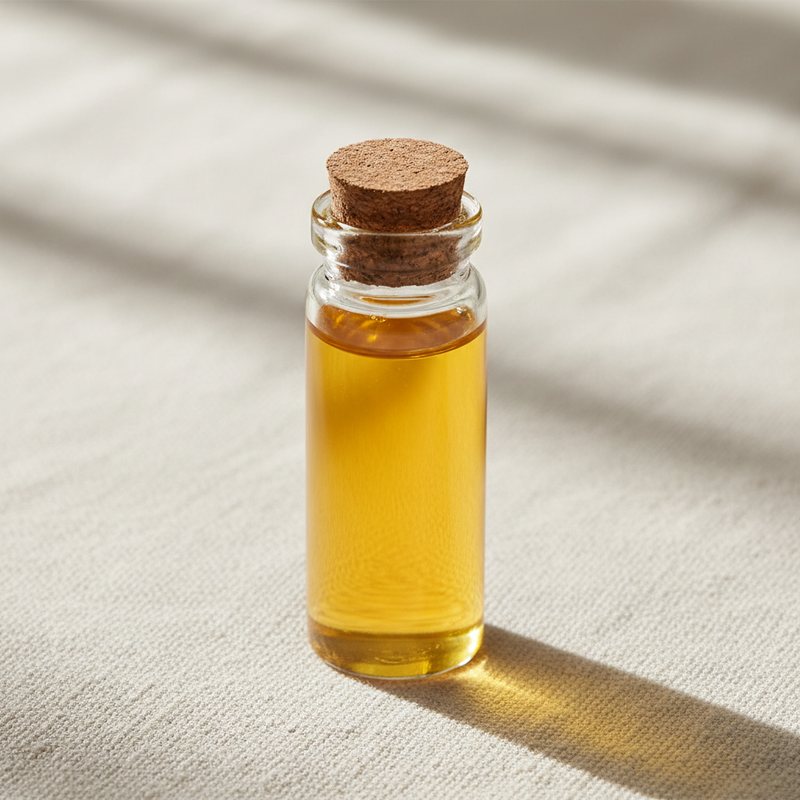
- Soy lecithin. By far the most common and lowest cost, a co-product of soybean oil refining. Plant-derived, halal and kosher friendly, but it is a declarable allergen and carries a kosher legume (kitniyot) status that matters for Passover.
- Sunflower lecithin. The standard allergen-free alternative, increasingly demanded by clean-label and free-from brands. Plant-derived, no soy allergen.
- Egg lecithin. Used in some pharma and specialty applications. This is the one that breaks the simple picture, because it is animal-derived.
Halal status
Soy and sunflower lecithin are halal-friendly. The main thing to confirm is the processing aids and any solvent used in extraction or de-oiling. Egg lecithin is from a permitted source (egg) but should still be certified, and the extraction chain checked. In all cases, get the certificate. The issue is rarely the lecithin itself, it is residual solvents and shared equipment.
Kosher status and the pareve question
This is where the source really matters.
- Soy and sunflower lecithin are pareve, with no meat or dairy status, so they slot into both dairy and meat formulas. Both certify kosher readily.
- Egg lecithin is also pareve under kashrut (eggs are pareve), but it requires that the eggs be checked, and it changes the allergen and vegan status of your product.
- Passover (soy only). Soy is kitniyot, so soy lecithin is avoided by many Ashkenazi consumers during Passover. If you supply a Passover line, sunflower lecithin is the cleaner choice. See kosher for Passover ingredients.
The formulation trade-off
Functionally, soy and sunflower lecithin are close substitutes in most emulsification roles. Sunflower can run slightly different in viscosity and flavor and usually costs more, but it drops the allergen.
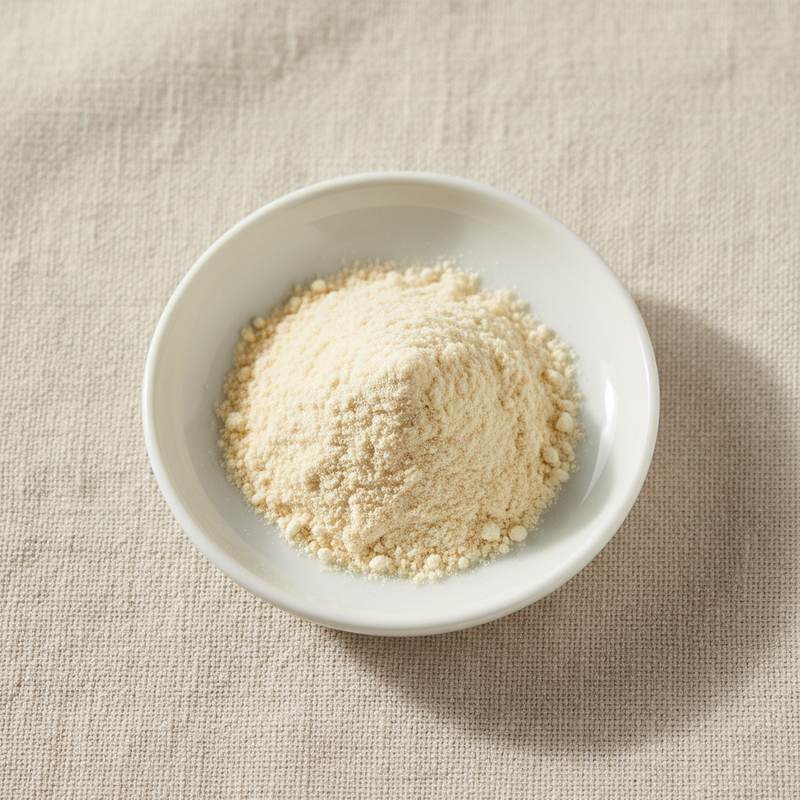
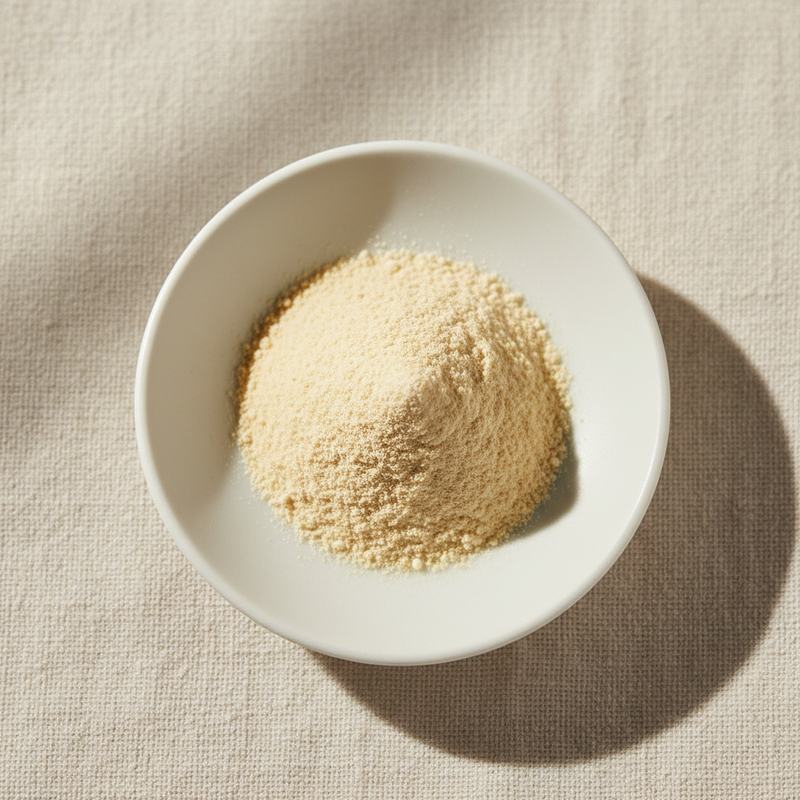
De-oiled powder grades (Deoiled Soya Lecithin Powder, Sunflower Lecithin Granular) give higher phospholipid content and easier handling than the liquid grades. For a free-from, kosher-pareve, Passover-safe formula, sunflower de-oiled powder is often the single specification that clears everything. For where lecithin sits among the other emulsifiers, see the kosher status of common emulsifiers.
Choose by what you produce
- If you produce chocolate or compound coatings, soy or sunflower lecithin handles viscosity. Sunflower if the label must be soy-free.
- If your finished products are clean-label or free-from, sunflower lecithin drops the soy allergen.
- If you supply a Passover line, use sunflower, not soy.
- If you manufacture pharma or specialty fills that call for egg lecithin, certify it and confirm the allergen and vegan impact.
What to verify
- Source on the label (soy, sunflower, or egg, never just "lecithin").
- Halal and kosher certificates with pareve status confirmed.
- Allergen statement (soy declarable, sunflower for free-from claims).
- Passover status if relevant (sunflower over soy).
- Format (liquid versus de-oiled powder/granular) for your process.
We supply Soy Lecithin, Deoiled Soya Lecithin Powder, Sunflower Lecithin, and Sunflower Lecithin Granular with manufacturer halal and kosher documentation. Tell us your products and application, your allergen and Passover constraints, and the certification you need, and we will quote the source that fits.