Description
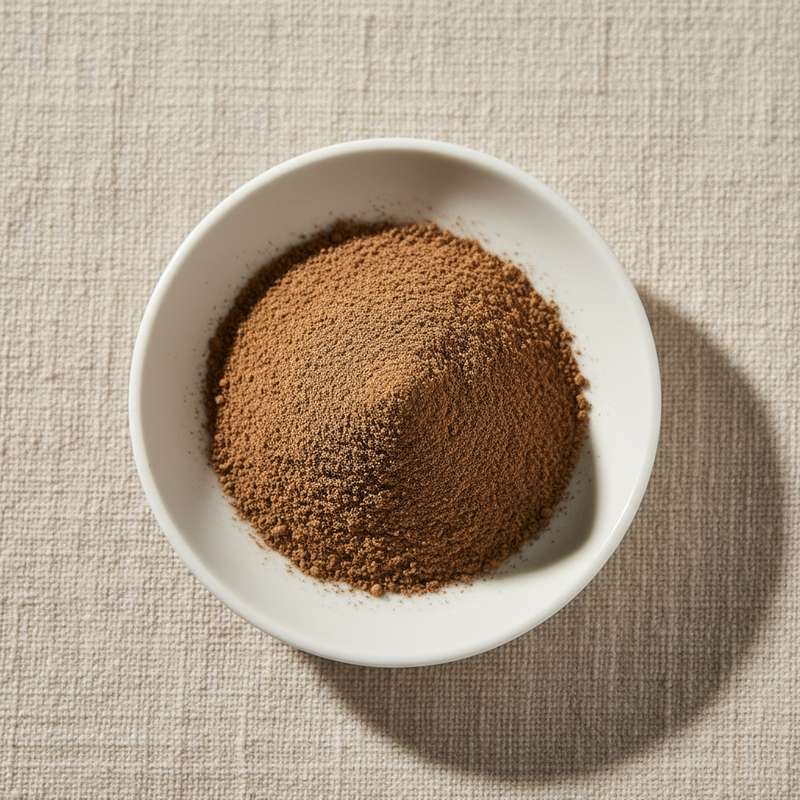
A natural phospholipid emulsifier derived from sunflower seed oil refining. The granular form provides free-flowing handling for direct addition to dry-blend bakery premixes, capsule formulations, and consumer health products.
Light yellow to tan free-flowing granules. Distinct from soy lecithin in being free of major food allergens, supporting positioning in allergen-free and clean-label finished products.
We supply food-grade Sunflower Lecithin Granular from manufacturers in China holding ISO, Halal, Kosher and other certifications relevant to the product and production. Non-GMO and certified-organic grades are available on request.
Common market grades include standard granular (95% min acetone-insoluble), deoiled granular for capsule fill and high-phospholipid use, and fine-mesh granular for dispersion in liquid systems. Granular formats are distinct from sunflower lecithin liquid and powder presentations.
Bulk and reduced-MOQ shipments. Batch-level COA covering acetone-insoluble matter, moisture, acid value, peroxide value, and microbiology.
Introduction
Sunflower lecithin emerged as a commercial product in the early 2000s, driven by demand for non-allergenic and non-GMO alternatives to soy lecithin in clean-label and natural food formulations.
Production parallels soy lecithin: the gum fraction separated during sunflower oil refining is dried, optionally deoiled with acetone to yield granular product, and standardized to a target acetone-insoluble content. Sunflower phospholipid composition is broadly similar to soy, with phosphatidylcholine, phosphatidylethanolamine, and phosphatidylinositol as the principal species.
Sunflower lecithin shares the E322 designation in the EU, qualifies as GRAS in the United States, and inherits the favorable JECFA classification of lecithin without a numerical Acceptable Daily Intake limit.
The strategic advantage of sunflower lecithin over the soy version is allergen labeling: sunflower is not among the major declared allergens in most jurisdictions, while soy is. For finished products serving the natural, organic, and allergen-conscious consumer segments, sunflower lecithin removes a significant labeling and consumer-perception hurdle.
Where it is used
- Allergen-free bakery dough conditioners; major application replacing soy lecithin where soy is a labeled allergen
- Soft-gel and hard-shell capsule fill in dietary supplements; choline and phosphatidylcholine delivery
- Clean-label chocolate and confectionery emulsion in premium and organic positioning
- Allergen-free infant formula and nutritional emulsions
- Functional food premixes including protein bars and meal replacements
- Cosmetic and personal-care emulsions positioned as soy-free or non-GMO
- Tableted dietary supplements; granular form supports direct compression
- Plant-based meat and dairy analog emulsifier systems
Technical data
| Item | Specification |
|---|---|
| Appearance | Light yellow to tan free-flowing granules |
| Acetone-insoluble matter | ≥ 95.0% |
| Moisture | ≤ 2.0% |
| Acid value (mg KOH/g) | ≤ 36.0 |
| Peroxide value (meq/kg) | ≤ 5.0 |
| Hexane residue | ≤ 50 mg/kg |
| Acetone residue | ≤ 500 mg/kg |
| Heavy metals (as Pb) | ≤ 2 mg/kg |
| Particle size | Per customer specification |
Related ingredients
Ready to discuss business?
Send us your spec and requirement. We will respond with availability and pricing within 24 hours.