Is Vanillin Halal & Kosher? Synthetic, Lignin, and Fermentation Pathways Compared
Vanillin (CAS 121-33-5) is the dominant flavor compound in vanilla and one of the most-used flavor ingredients on earth. Most of what is labeled "vanilla flavor" in industrial food is vanillin, not vanilla bean.
It comes up constantly in halal and kosher review, partly because of real solvent questions and partly because of a persistent myth. If you produce beverages, bakery, dairy, or confectionery, here is how to separate the two.
First, the castoreum myth
You may have read that vanilla flavor comes from castoreum, a secretion from beaver glands. As a matter of industrial reality this is essentially never true today. Castoreum is rare, expensive, and produced in trace quantities. It is not a meaningful source of commercial vanillin.
Do not let this myth drive your sourcing decision. The real questions are about the production route and the carrier.
The production routes
- Synthetic vanillin (from guaiacol). The bulk of the market, petrochemically derived. The molecule has no animal input, and the route itself raises no halal or kosher objection.
- Lignin-derived vanillin. Made from lignin, a wood-pulp co-product. Plant origin, no animal input.
- Fermentation-derived ("natural") vanillin. Produced by microbial conversion of ferulic acid or other plant precursors, allowing a "natural" label. Plant and microbial origin.
All three routes give a product that is, in itself, acceptable for halal and kosher. Pure vanillin powder is the easy case.
The real issue: the carrier and the extract
The complication is not crystalline vanillin. It is the format it is delivered in. Liquid vanilla flavors and vanilla extracts are very often carried in ethanol.
For halal, alcohol as a solvent is the central concern, and certifiers differ. Some accept synthetic or non-khamr ethanol below a residual threshold. Others require alcohol-free systems.
For kosher, ethanol introduces a grain or other source question, and vanilla extract is a classic Passover concern because grain alcohol is chametz (see our guide to kosher for Passover ingredients). This is why a manufacturer who needs to clear both should default to vanillin powder, or a glycerin or propylene-glycol-carried flavor, rather than an ethanol-based extract.
Choose by what you produce
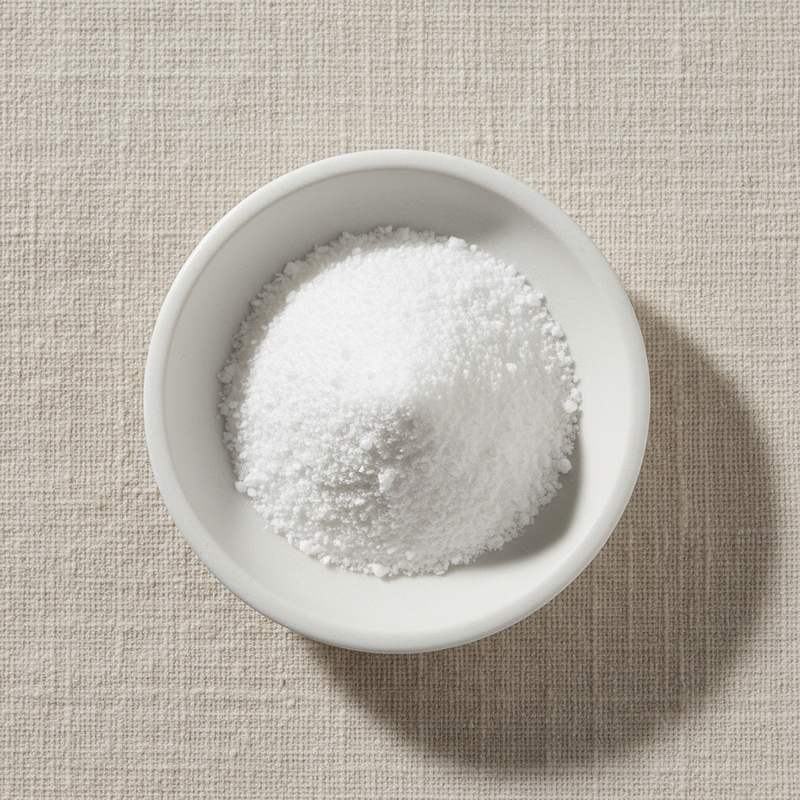
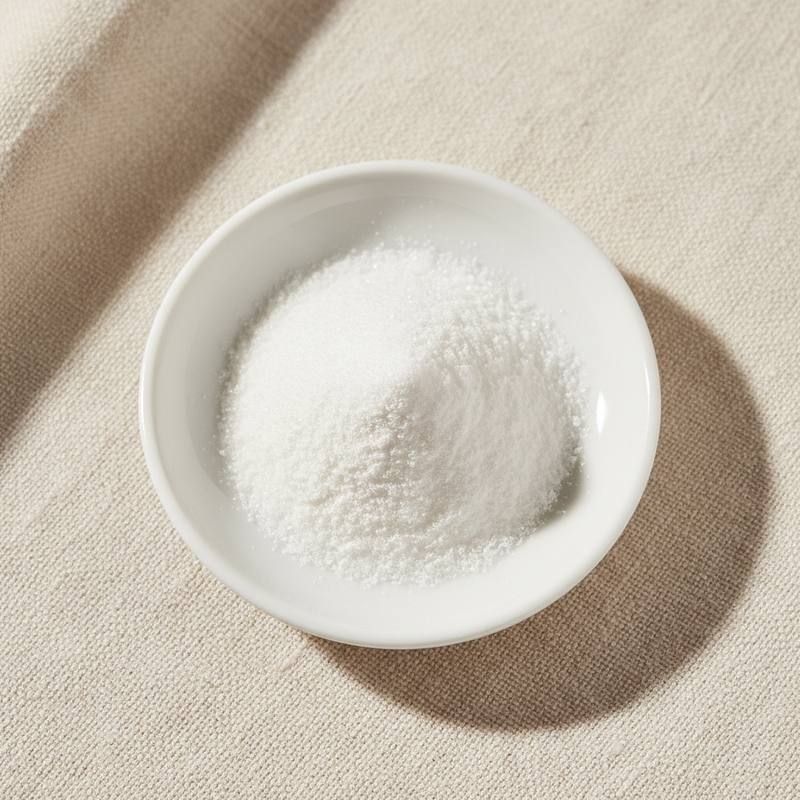
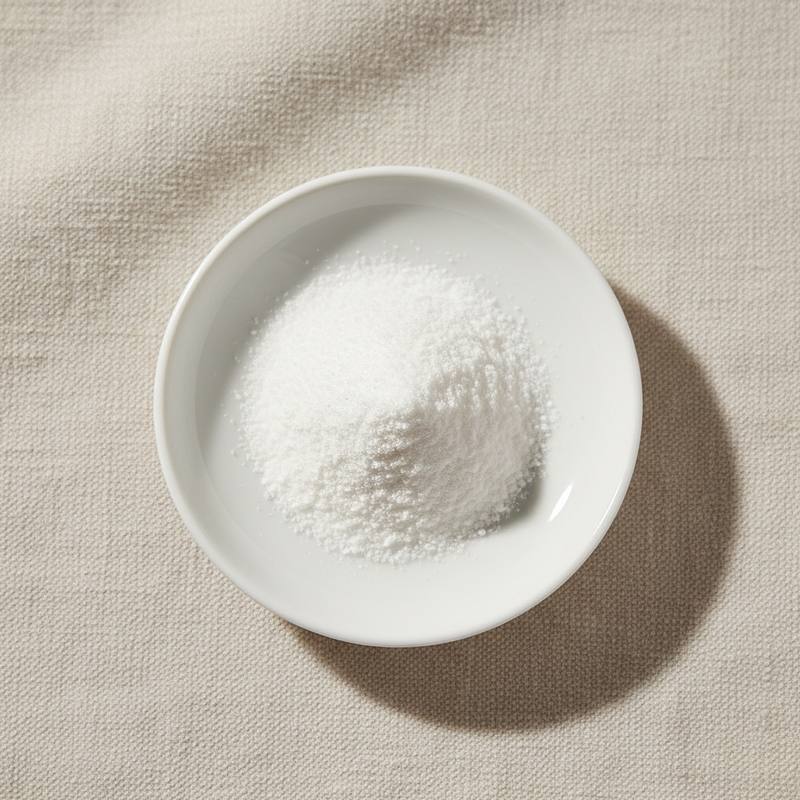
- If you produce dry mixes, bakery, or powders, vanillin powder sidesteps the solvent problem entirely.
- If you produce beverages or dairy needing a liquid flavor, ask for a glycerin or PG carrier instead of ethanol, and confirm the halal certificate addresses the solvent.
- If you supply a Passover line, avoid grain-ethanol extracts and confirm Passover status on the certificate.
- If your finished products carry a "natural" claim, use fermentation- or lignin-derived vanillin and confirm the natural designation.
What to verify
- Format (powder versus liquid), and if liquid, the carrier solvent (ethanol versus glycerin/PG).
- Production route if "natural" labeling matters (fermentation/lignin versus synthetic).
- Halal certificate addressing the solvent explicitly, since that is the live question.
- Kosher certificate, and Passover status if you supply that season.
We supply Vanillin, Ethyl Vanillin, and Natural Vanillin in powder form with manufacturer halal and kosher documentation, the format that sidesteps the solvent problem. Tell us your products and application, whether you need natural labeling, and the certification you need, and we will quote the grade that fits.