Description
A hydroxycinnamic acid antioxidant abundant in plant cell walls, particularly rice bran, wheat bran, and corn. A reference UV-protective antioxidant in topical cosmetic chemistry and the partner molecule in classic vitamin C plus vitamin E plus ferulic acid antioxidant systems.
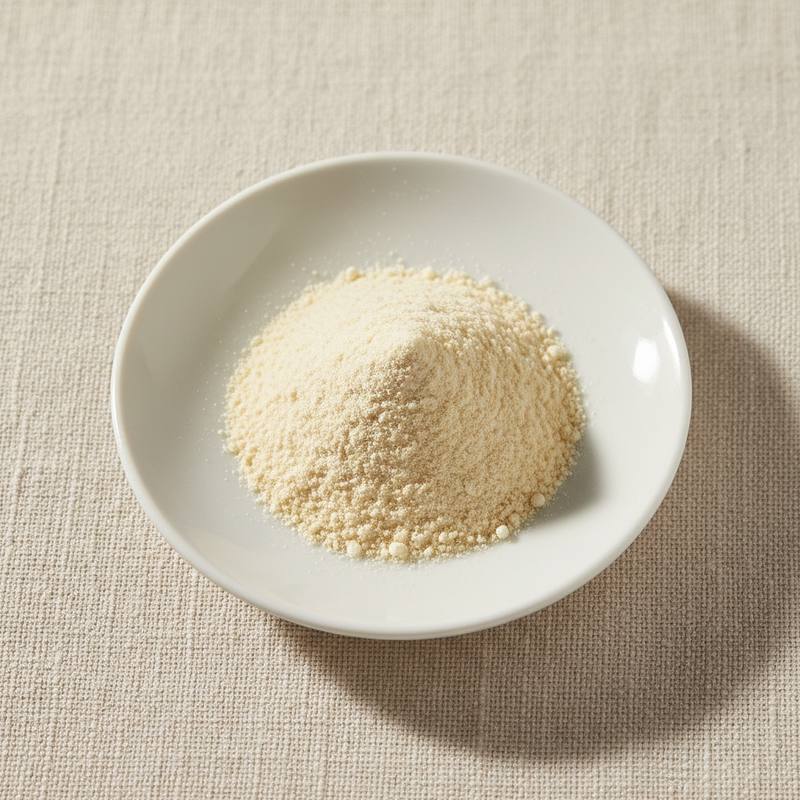
White to pale yellow crystalline powder. Limited water solubility, modest solubility in ethanol and propylene glycol; commonly delivered in part-aqueous and part-hydroalcoholic serums. Stable in storage but pH-sensitive in finished products.
We supply cosmetic-grade Ferulic Acid from manufacturers in China holding ISO 22716, ISO 9001, Halal and Kosher certifications relevant to the product and production. Both synthetic and rice-bran extracted natural grades are available.
Common market grades include Synthetic Cosmetic Grade 99% min (HPLC), Natural Rice Bran Extracted Grade 98% min for natural and organic positioning, and pre-solubilized 5 to 10 percent solutions in glycol for direct cosmetic use.
Bulk and reduced-MOQ shipments. Batch-level COA covering HPLC purity, trans/cis ratio, color, residual solvents, heavy metals, and microbiology.
Introduction
Ferulic Acid was first characterized in 1866 from giant fennel (Ferula foetida). Its modern cosmetic prominence dates from the seminal 2005 paper by Lin et al. demonstrating that 0.5 percent ferulic acid stabilizes 15 percent L-ascorbic acid and 1 percent alpha-tocopherol in topical formulation, doubling the photoprotection effect against UV-induced erythema and DNA damage in human skin.
Industrial production proceeds by two routes. Synthetic ferulic acid is made by condensation of vanillin with malonic acid, yielding pure trans isomer at high HPLC purity. Natural ferulic acid is extracted from rice bran oil residue or wheat bran by alkaline hydrolysis and recrystallization, with traceability to plant origin for natural-positioned brands.
Regulatory status is that of a listed cosmetic ingredient in CosIng, the PCPC INCI dictionary, and China IECIC. No concentration limit in major jurisdictions; typical use is 0.5 to 1.0 percent in antioxidant systems.
Clinical evidence is anchored in the photoprotection literature: the ferulic acid plus vitamin C plus vitamin E combination shows roughly 8-fold improvement in protection against UV-induced thymine dimers and apoptotic sunburn cells compared with placebo. Stand-alone use is less common because the molecule's primary value is as a stabilizer and synergist.
Strategically, ferulic acid remains a signature ingredient in prestige antioxidant serums and a workhorse stabilizer in lower-priced vitamin C lines. Natural rice-bran sourcing is the growth segment as natural-positioned brands expand.
Where it is used
- Vitamin C plus vitamin E plus ferulic acid antioxidant serums (the SkinCeuticals CE Ferulic archetype)
- Photoprotection and antioxidant boosters in sun care and after-sun lotions
- Anti-aging serums positioned around environmental damage protection
- Stabilization of L-ascorbic acid in low-pH water-alcohol formulations
- Brightening serums combining ferulic acid with niacinamide or arbutin
- Premium antioxidant body care
- Multi-vitamin night creams and sleeping masks
- Natural and organic-positioned products using rice bran extracted material
Technical data
| Item | Specification |
|---|---|
| Appearance | White to pale yellow crystalline powder |
| INCI Name | Ferulic Acid |
| Assay (HPLC) | ≥ 99.0% (synthetic); ≥ 98.0% (natural) |
| Trans isomer | ≥ 99.0% of total |
| Melting range | 168 °C to 172 °C |
| Loss on drying | ≤ 0.5% |
| Residue on ignition | ≤ 0.1% |
| Residual solvents (natural grade) | Compliant with ICH Q3C |
| Heavy metals (as Pb) | ≤ 10 mg/kg |
| Arsenic | ≤ 2 mg/kg |
| Total plate count | ≤ 100 CFU/g |
| E. coli, Salmonella, S. aureus, P. aeruginosa | Negative |
| Source | Synthetic from vanillin, or natural from rice bran extraction |
Related ingredients
Ready to discuss business?
Send us your spec and requirement. We will respond with availability and pricing within 24 hours.