Description
Vanillin produced from natural-source feedstock through fermentation or biocatalysis from ferulic acid (typically rice bran or eugenol from clove oil). Chemically identical to synthetic Vanillin but qualifies for 'natural flavor' labeling under U.S. FDA and EU regulations.
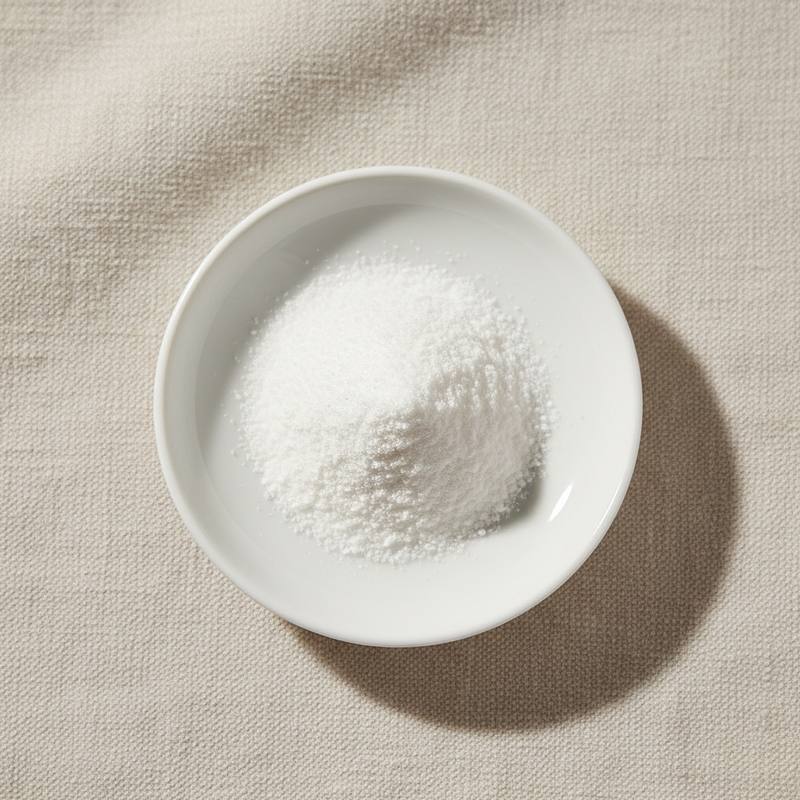
White to off-white crystalline powder with characteristic vanilla aroma. Functionally indistinguishable from synthetic Vanillin in flavor application; the differentiator is supply chain and labeling rather than chemistry or sensory performance.
We supply Natural Vanillin from manufacturers in China holding ISO, Halal, Kosher and other certifications relevant to the product and production. Non-GMO and organic-compliant grades are available on request.
Common market grades include Bio-Fermentation Natural Vanillin (from ferulic-acid fermentation), Eugenol-Conversion Natural Vanillin (from clove-oil eugenol), and pre-blended Natural Vanillin with vanilla extract for layered natural-flavor positioning.
Bulk and reduced-MOQ shipments. Batch-level COA covering assay, source documentation, residual solvents, heavy metals, and microbiology.
Introduction
Natural Vanillin is the same molecule as synthetic Vanillin (4-hydroxy-3-methoxybenzaldehyde) but produced from agricultural or naturally occurring feedstocks through processes that qualify the finished compound as 'natural' under U.S. and EU food labeling regulations.
Industrial production proceeds primarily through two routes: bio-fermentation of ferulic acid extracted from rice bran or wheat bran using engineered Saccharomyces cerevisiae or other microorganisms; and biocatalytic conversion of eugenol from clove oil using selective enzymes that yield Vanillin without the chemical reagents that would disqualify natural labeling.
Recognized as a 'natural flavor' under U.S. FDA 21 CFR 101.22 and EU Regulation 1334/2008 when produced from natural-source feedstocks through approved natural processes. Vanillin produced by petrochemical guaiacol oxidation is chemically identical but cannot carry natural-flavor designation.
The molecule's flavor profile and functional behavior are identical to synthetic Vanillin: the same chemical structure produces the same sensory experience and the same formulation behavior.
Strategic positioning targets the premium and clean-label segment specifically. Cost is meaningfully higher than synthetic Vanillin (typically 5 to 20 times higher per kg) and use is concentrated in finished products where 'natural flavor' labeling delivers commercial value that justifies the cost premium.
Where it is used
- Premium baked goods, cookies, and pastries with 'natural flavor' label claims
- Premium ice cream and frozen desserts in clean-label positioning
- Organic-certified bakery and confectionery products
- Premium dairy and yogurt with natural-vanilla labeling
- Clean-label beverages and protein shakes
- Premium chocolate and confectionery
- Natural-positioning pharmaceutical syrups and chewables
- Cosmetic skincare products with natural-fragrance positioning
Technical data
| Item | Specification |
|---|---|
| Appearance | White to off-white crystalline powder |
| Assay (HPLC) | ≥ 99.0% |
| Melting point | 81 °C to 83 °C |
| Loss on drying | ≤ 0.5% |
| Origin | Bio-fermentation from ferulic acid or eugenol biocatalysis |
| Heavy metals (as Pb) | ≤ 10 mg/kg |
| Arsenic | ≤ 3 mg/kg |
| Residue on ignition | ≤ 0.05% |
Related ingredients
Ready to discuss business?
Send us your spec and requirement. We will respond with availability and pricing within 24 hours.