Description
Cold-pressed oil from English walnut (Juglans regia) kernels, with a distinctive nutty flavor and a fatty acid profile dominated by linoleic acid (omega-6) and significant alpha-linolenic acid (omega-3) content.
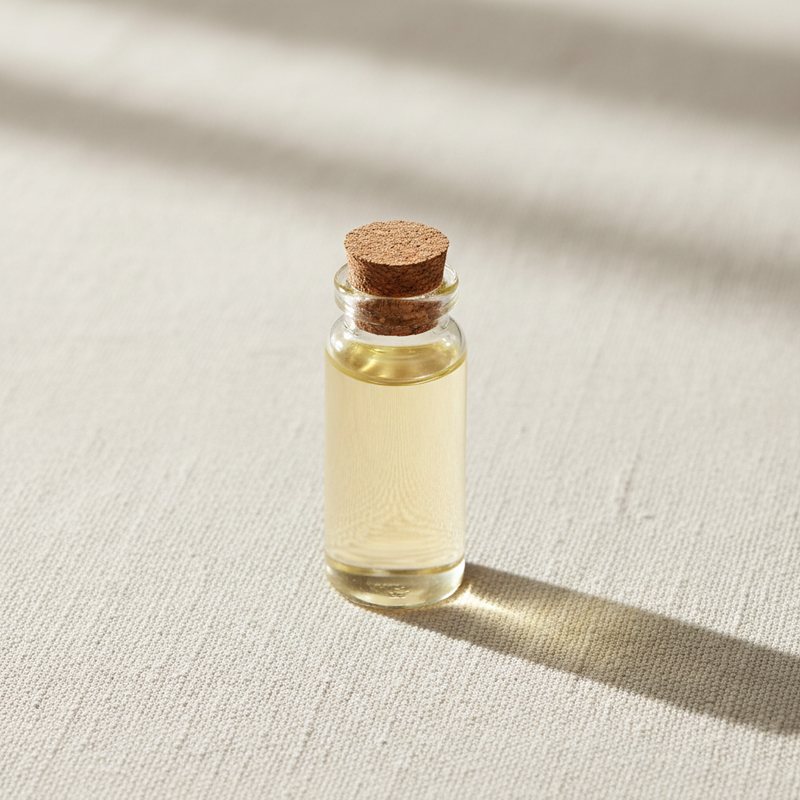
Pale yellow to light amber liquid with a strong characteristic walnut aroma. Cold-pressed virgin grades retain the full flavor and are positioned as gourmet finishing oils, while refined grades deliver a milder profile suitable for supplement and bakery use.
We supply food-grade Walnut Oil from manufacturers in China holding ISO, Halal, Kosher, and organic certifications relevant to the product and production.
Common market grades include Cold-Pressed Virgin Walnut Oil (gourmet retail), Roasted Walnut Oil (intensified flavor for culinary use), Refined Walnut Oil (supplement and cosmetic use), and Organic-Certified Walnut Oil.
Bulk and reduced-MOQ shipments. Batch-level COA covering fatty acid profile, peroxide value, acid value, moisture, heavy metals, and microbiology.
Introduction
The English or Persian walnut (Juglans regia) has been cultivated for nuts and oil for at least 7,000 years across Central Asia and the Mediterranean. Modern commercial production is concentrated in China (the world's largest producer), the U.S. (California), Iran, and Turkey.
Walnut oil is produced by mechanical cold-pressing of shelled walnut kernels at temperatures below 40 °C, followed by filtration and bottling under nitrogen. Roasted grades use lightly roasted kernels to develop a deeper color and intensified nutty flavor for premium culinary positioning. Refined grades are processed through bleaching and deodorization for milder applications.
The fatty acid profile is characterized by high polyunsaturated content, with linoleic acid at 50% to 65% and alpha-linolenic acid at 10% to 14%. The ALA content is the highest among common tree nut oils and supports cardiovascular and brain health positioning.
Regulatory status is broad. Walnut oil is recognized as a conventional food in all major markets. The EFSA has authorized health claims for ALA and cardiovascular function. The U.S. FDA permits qualified health claims linking walnut consumption to reduced risk of coronary heart disease.
Commercial positioning splits between premium gourmet culinary (the largest segment by retail value) and functional food and supplement applications. Quality differentiation in the trade rests on cultivar selection, kernel freshness at pressing, oxidation control during processing and storage, and the absence of off-flavors from oxidized walnut oil that can develop rapidly under poor handling.
Where it is used
- Gourmet finishing oils, vinaigrettes, and salad dressings; the dominant commercial application
- Premium bakery applications including walnut breads, brownies, and cakes
- Cardiovascular health supplements positioned around the walnut nutrition narrative
- Cognitive and brain health products built on the walnut-and-brain association
- Functional foods and bars positioned around heart-healthy nut profiles
- Cosmetic and skincare formulations including moisturizers and anti-aging serums
- Hair care treatments
- Pet supplements for skin and coat support
- Specialty confectionery and ice cream applications
Technical data
| Item | Specification |
|---|---|
| Appearance | Pale yellow to light amber liquid |
| Linoleic acid (C18:2 omega-6) | 50% to 65% |
| Alpha-linolenic acid (C18:3 omega-3) | 10% to 14% |
| Oleic acid (C18:1) | 15% to 25% |
| Palmitic acid (C16:0) | 6% to 9% |
| Stearic acid (C18:0) | 2% to 4% |
| Peroxide value | ≤ 5.0 meq/kg |
| Acid value | ≤ 2.0 mg KOH/g |
| Moisture | ≤ 0.2% |
| Heavy metals (as Pb) | ≤ 0.5 mg/kg |
| Source | Cold-pressed Juglans regia kernel |
Related ingredients

Ready to discuss business?
Send us your spec and requirement. We will respond with availability and pricing within 24 hours.