
Description
Tailored triglyceride products produced by enzymatic interesterification, in which fatty acids are positioned at specific sn-1, sn-2, and sn-3 positions on the glycerol backbone to achieve defined nutritional, functional, or processing properties.
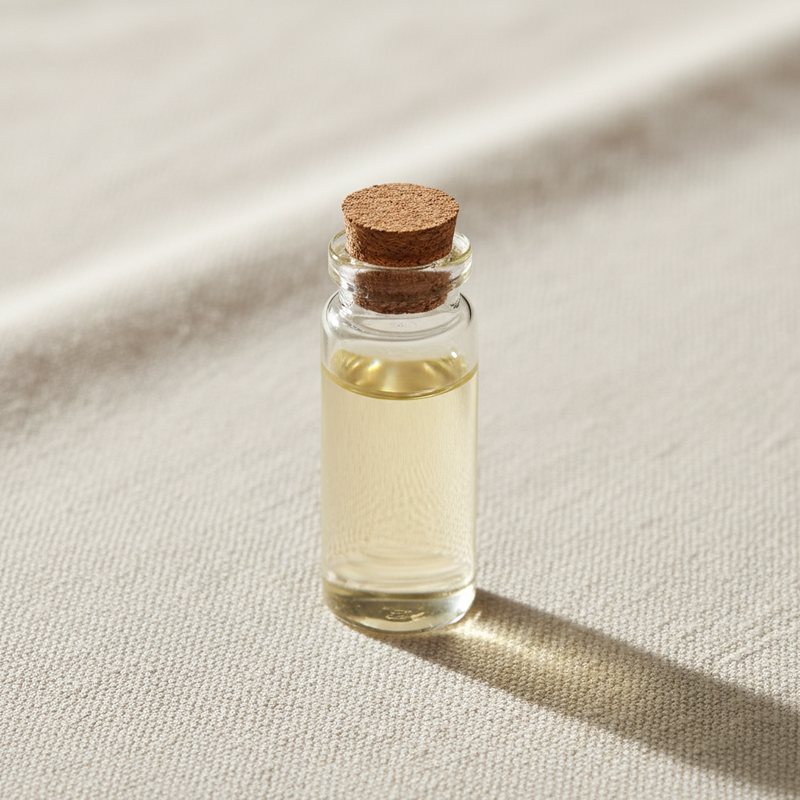
Pale yellow oil or soft fat depending on the fatty acid combination specified. Sensory and physical properties are designed against the application target, with melt profile, oxidative stability, and digestion kinetics all tunable through composition.
We supply specialty structured lipids from manufacturers in China holding ISO, Halal, Kosher and other certifications relevant to the product and production.
Common product families include MLCT (medium-long-chain triglycerides combining MCT with long-chain fatty acids), OPO (1,3-dioleoyl-2-palmitoyl glycerol mimicking human breast milk fat), specialty cocoa-butter equivalents, and customer-specific compositions developed against finished-product targets.
Bulk and reduced-MOQ shipments. Batch-level COA covering sn-2 fatty acid distribution, full fatty acid profile, free fatty acid, peroxide value, and microbiology.
Introduction
Structured lipids are triglycerides in which the position of individual fatty acids on the glycerol backbone has been deliberately engineered, typically by enzymatic interesterification using sn-1,3-specific lipases.
The biological significance is substantial: the sn-2 position of dietary triglyceride is preferentially retained during digestion as the 2-monoglyceride, which is absorbed and re-esterified to chylomicron triglyceride. This means the fatty acid at sn-2 has a different metabolic fate from those at sn-1 and sn-3.
The most commercially significant structured lipid is OPO (1,3-dioleoyl-2-palmitoyl glycerol), which mimics the structure of human breast milk triglyceride and is used in premium infant formula. Conventional vegetable-derived palm oil has palmitic acid at sn-1 and sn-3 rather than sn-2, with documented differences in infant calcium absorption and stool consistency.
Other product families include MLCT for metabolic positioning, cocoa-butter equivalents from palm and shea fractions, and trans-free margarine fats produced through interesterification rather than partial hydrogenation.
Production is by enzymatic interesterification using immobilized lipases under controlled water activity, followed by molecular distillation to remove free fatty acids and concentrate the desired triglyceride fraction.
Where it is used
- Infant formula fat blends, particularly OPO for breast-milk-mimetic specifications
- Clinical and medical nutrition products targeting specific metabolic profiles
- Bakery and confectionery applications requiring tailored melt profiles
- Cocoa-butter equivalents and substitutes for chocolate manufacture
- Margarine, shortening, and spread applications with reduced trans-fat profiles
- Sports and metabolic-positioned functional foods
- Pharmaceutical lipid-based drug delivery with customer-specified fatty acid composition
Technical data
| Item | Specification |
|---|---|
| Appearance | Pale yellow oil or soft fat (composition-dependent) |
| Target fatty acid at sn-2 | Per customer specification |
| sn-2 positional purity | ≥ 50% (typical, application-specific) |
| Free fatty acid (as oleic) | ≤ 0.3% |
| Acid value | ≤ 0.6 mg KOH/g |
| Peroxide value | ≤ 5 meq/kg |
| Trans fatty acids | ≤ 1.0% |
| Moisture | ≤ 0.1% |
| Heavy metals (as Pb) | ≤ 0.1 mg/kg |
Related ingredients


Ready to discuss business?
Send us your spec and requirement. We will respond with availability and pricing within 24 hours.