Description
A structured triglyceride engineered to position palmitic acid at the sn-2 (central) position of the glycerol backbone with oleic acid at sn-1 and sn-3, replicating the predominant triglyceride structure of human breast milk fat.
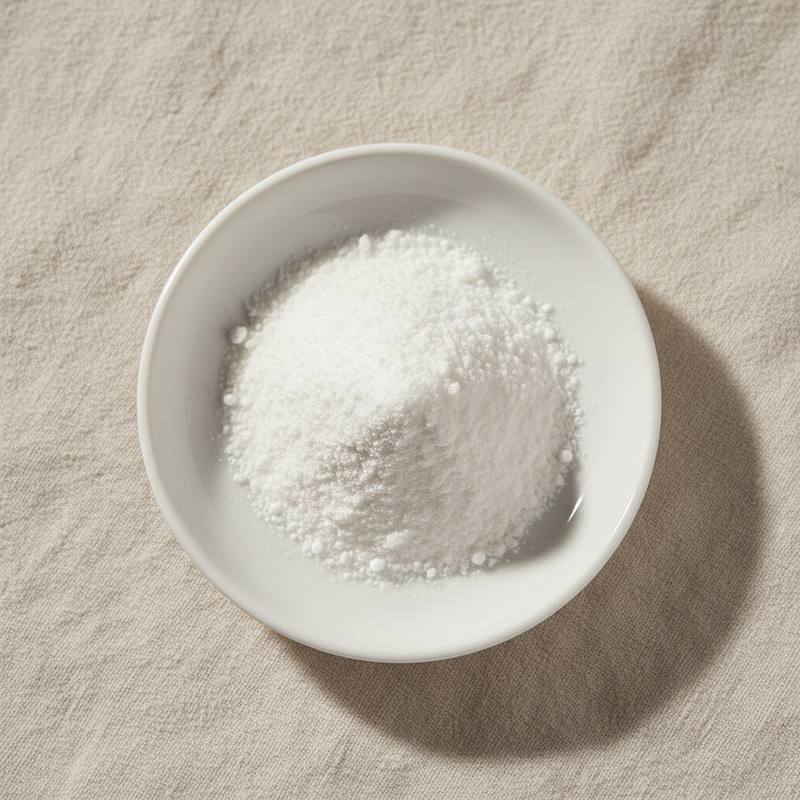
Pale yellow to amber-yellow oil, semi-solid below 25 °C, fully liquid above 40 °C. The defining functional feature is the sn-2 palmitate content of 40% to 70%, in contrast to conventional palm-based fats where palmitic acid sits predominantly at the sn-1 and sn-3 positions.
We supply infant-formula-grade OPO from manufacturers in China holding ISO, Halal, Kosher and other certifications relevant to the product and production, with full compliance to Chinese GB 30604, EU Regulation 2016/127, and FDA infant formula provisions.
Common market grades include OPO-40 (40% sn-2 palmitate), OPO-52 (52% sn-2 palmitate, the dominant commercial grade), and OPO-60 (premium high-sn-2 grade for top-tier infant formula brands). Customized fatty acid distributions are available for specialty applications.
Bulk and reduced-MOQ shipments. Batch-level COA covering sn-2 palmitate content, fatty acid profile, peroxide value, trans fatty acids, heavy metals, 3-MCPD and glycidyl esters, and microbiology.
Introduction
The discovery that human breast milk fat carries palmitic acid predominantly at the sn-2 position of glycerol (a structural distinction from cow's milk and vegetable oils) was made in the 1960s. The clinical significance became clear over the following decades: sn-2 palmitate is absorbed as 2-monopalmitoyl-glycerol and does not form insoluble calcium soaps in the infant gut, leading to better fat and calcium absorption, softer stools, and reduced constipation.
OPO is produced by enzymatic interesterification of tripalmitin or palmitic-acid-rich fats with oleic acid (typically derived from high-oleic sunflower oil) using a sn-1,3 regiospecific lipase. The lipase selectively exchanges fatty acids at the sn-1 and sn-3 positions while leaving palmitate at sn-2 intact. The product is then purified by molecular distillation to remove free fatty acids and reaction byproducts.
Regulated under EU Regulation 2016/127 as a permitted infant formula ingredient, approved under Chinese GB 30604 with documented use in registered infant formula products, and listed in the FDA's GRAS notification database for infant formula and food use. The clinical evidence base supporting sn-2 palmitate fat blends in infant formula includes more than 30 randomized controlled trials.
OPO sits at the premium end of the infant formula market. In China, OPO content is a primary product-differentiation claim used by domestic and international brands competing for the high-end formula segment. Commercial pricing reflects the enzymatic processing cost and the dominance of a small number of qualified manufacturers globally.
The trade reflects a closed technical specification: regulatory compliance, sn-2 palmitate percentage, trans fat below regulatory limits, and verified absence of 3-MCPD and glycidyl ester contaminants from refining are the four parameters that define commercial acceptability.
Where it is used
- Premium infant formula (Stage 1, 2, and 3); the defining lipid ingredient of the premium infant-formula category since the 2010s
- Toddler and follow-on nutrition products positioned around breast-milk-like fat structure
- Premature and low-birth-weight clinical infant nutrition formulas
- Adult clinical nutrition for calcium absorption and digestive comfort applications
- Functional foods and supplements for calcium absorption support
- Specialty bakery and confectionery applications requiring defined sn-2 lipid structure
- Pharmaceutical excipient for lipid-based oral and parenteral formulations
Technical data
| Item | Specification |
|---|---|
| Appearance | Pale yellow to amber-yellow oil; semi-solid below 25 °C |
| Palmitic acid (C16:0, total) | 20% to 30% |
| sn-2 palmitate (% of total palmitate) | ≥ 52% (customizable 40% to 70%) |
| Oleic acid (C18:1) | 50% to 60% |
| Linoleic acid (C18:2) | 5% to 12% |
| Trans fatty acids | ≤ 1.0% |
| Peroxide value | ≤ 2.0 meq/kg |
| Acid value | ≤ 0.3 mg KOH/g |
| 3-MCPD esters | ≤ 0.5 mg/kg |
| Glycidyl esters | ≤ 0.5 mg/kg |
| Moisture | ≤ 0.05% |
| Heavy metals (as Pb) | ≤ 0.1 mg/kg |
| Source | Enzymatic interesterification of tripalmitin with high-oleic sunflower oil |
Related ingredients

Ready to discuss business?
Send us your spec and requirement. We will respond with availability and pricing within 24 hours.