Description
A soluble dietary fiber produced by controlled dextrinization and enzymatic conversion of wheat starch, structurally classified as a resistant wheat dextrin. Total dietary fiber typically 85 percent or higher measured by AOAC 2001.03.
The wheat-sourced counterpart to corn-derived resistant maltodextrin. Composed of glucose oligomers linked through a mixture of alpha-(1,2), alpha-(1,3), alpha-(1,4), and alpha-(1,6) bonds, with the non-physiological linkages conferring resistance to digestive enzymes in the small intestine.
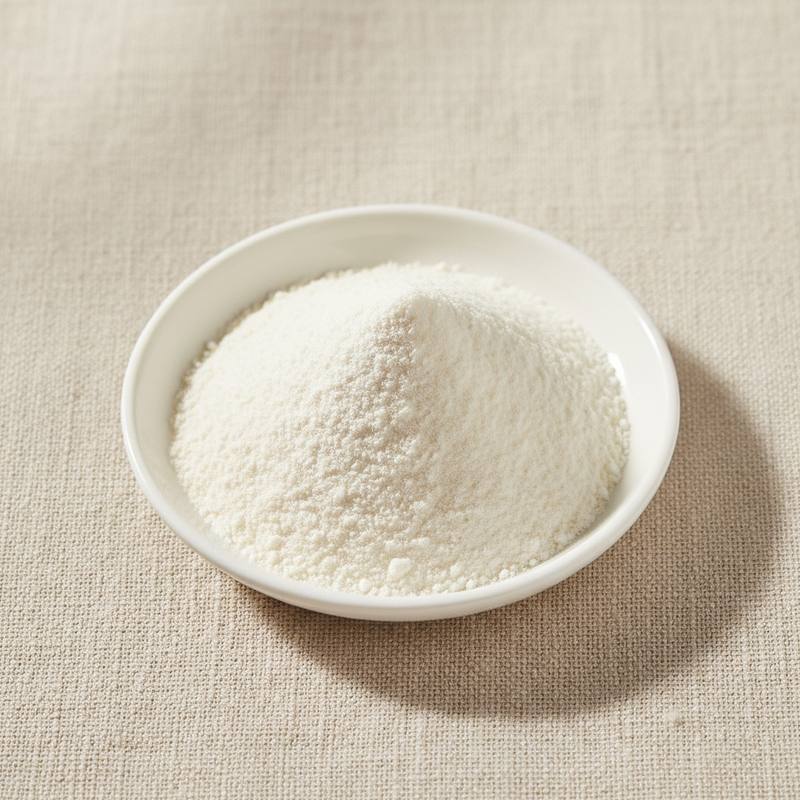
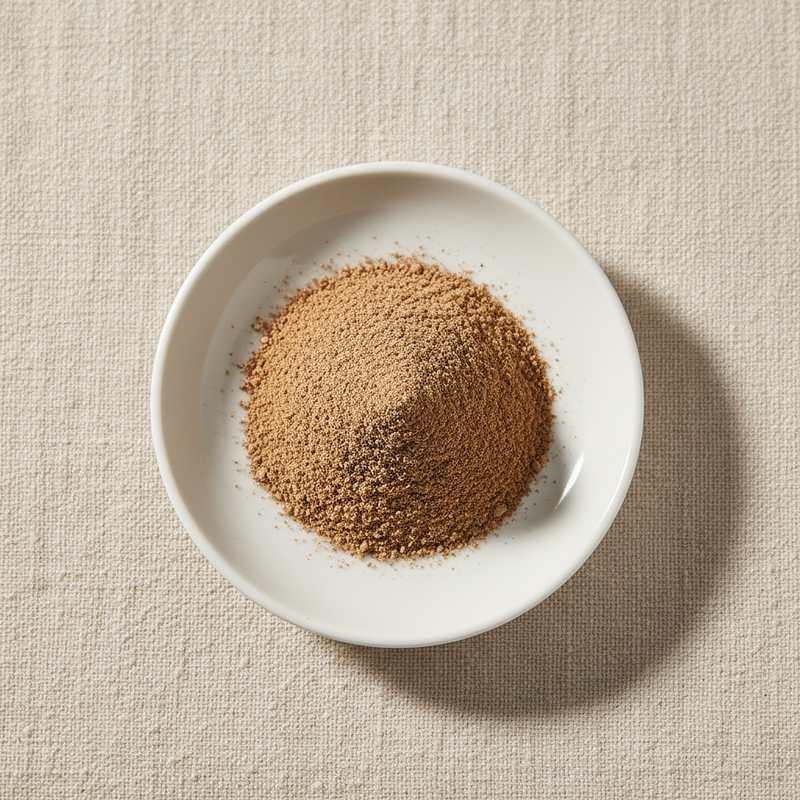
White to off-white free-flowing powder. Highly water-soluble. Low viscosity in solution. Very mild sweetness (around 10 percent of sucrose). Excellent heat, acid, and freeze-thaw stability.
We supply food-grade Soluble Wheat Dietary Fiber from manufacturers in China and Europe holding ISO, HACCP, Halal, Kosher, Non-GMO Project, and ingredient-traceability certifications relevant to the product and production. Low-gluten and gluten-free (under 20 ppm) grades are available from dedicated processing lines.
Common market grades include 85 percent and 90 percent TDF powders, plus 70 percent solids syrup for liquid applications. Gluten-controlled and gluten-free certified material commands a premium.
Bulk and reduced-MOQ shipments. Batch-level COA covering fiber content (AOAC 2001.03), residual sugars, moisture, ash, gluten, heavy metals, and microbiology.
Introduction
Soluble Wheat Dietary Fiber is produced by controlled pyroconversion (dextrinization) of wheat starch followed by enzymatic refining: starch is heated under acidic conditions to introduce non-physiological glycosidic bonds, then treated with amylases and amyloglucosidase to remove digestible fragments and concentrate the resistant fraction. Membrane filtration purifies the final product.
The mechanism of fiber action is twofold. The resistant glycosidic linkages escape hydrolysis in the small intestine and pass to the colon, where the fiber is partially fermented by the gut microbiota, generating short-chain fatty acids. Clinical literature documents post-prandial glucose-response reduction and increased satiety at intakes of 10 to 15 g per day.
Regulatory status is well-established. The U.S. FDA recognized resistant wheat dextrin as a dietary fiber in the 2018 fiber-rule update. The EU permits dietary-fiber labeling under Regulation 1169/2011. EFSA has issued an Article 13.1 claim for post-prandial glycemic response. China's NHC permits use across food categories.
Strategic positioning against corn-derived resistant maltodextrin rests on supply-chain diversification and regional sourcing preferences (European customers often specify wheat origin where corn is associated with GMO supply chains). The principal commercial constraint is the gluten declaration in jurisdictions with strict allergen labeling: standard grades carry a wheat-allergen declaration even when residual gluten falls below detection, while certified gluten-free grades support claims in the celiac-targeted segment.
Where it is used
- Functional beverages and clear functional waters (low viscosity supports clarity)
- Sugar-free and reduced-sugar baked goods
- Yogurt and dairy fiber fortification
- Nutrition bars and protein bars
- Breakfast cereals and granolas
- Confectionery and gummy products
- Dietary supplements and prebiotic stick packs
- Sauces, dressings, and soups with fiber claims
Technical data
| Item | Specification |
|---|---|
| Appearance | White to off-white powder or colorless to light yellow syrup |
| Source | Enzymatically converted wheat starch (resistant wheat dextrin) |
| Total dietary fiber (AOAC 2001.03) | ≥ 85.0% (standard), ≥ 90.0% (premium) |
| Reducing sugars (DE) | ≤ 12 |
| Moisture (powder) | ≤ 5.0% |
| Dry matter (syrup) | ≥ 70.0% |
| Ash | ≤ 0.3% |
| pH (10% solution) | 4.0 to 6.0 |
| Gluten (gluten-free grade) | ≤ 20 ppm |
| Heavy metals (as Pb) | ≤ 0.5 mg/kg |
| Arsenic | ≤ 0.5 mg/kg |
| Total plate count | ≤ 1,000 CFU/g |
| Yeast and mold | ≤ 100 CFU/g |
| E. coli and Salmonella | Negative |
Related ingredients
Ready to discuss business?
Send us your spec and requirement. We will respond with availability and pricing within 24 hours.