Description
The oldest commercial high-intensity sweetener and still one of the most cost-effective. Approximately 300 to 500 times sweeter than sucrose, with zero calories.
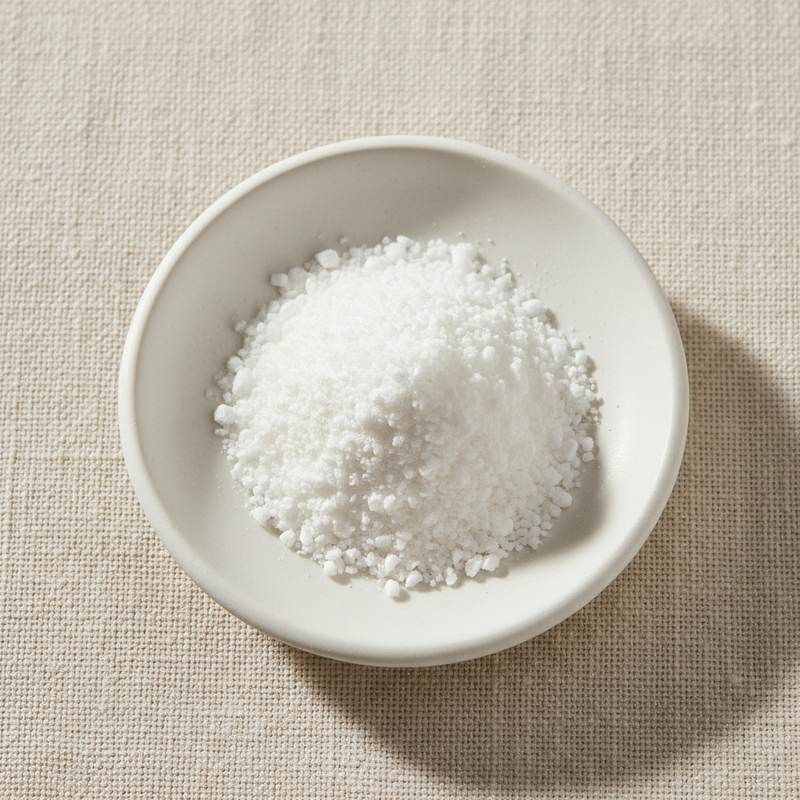
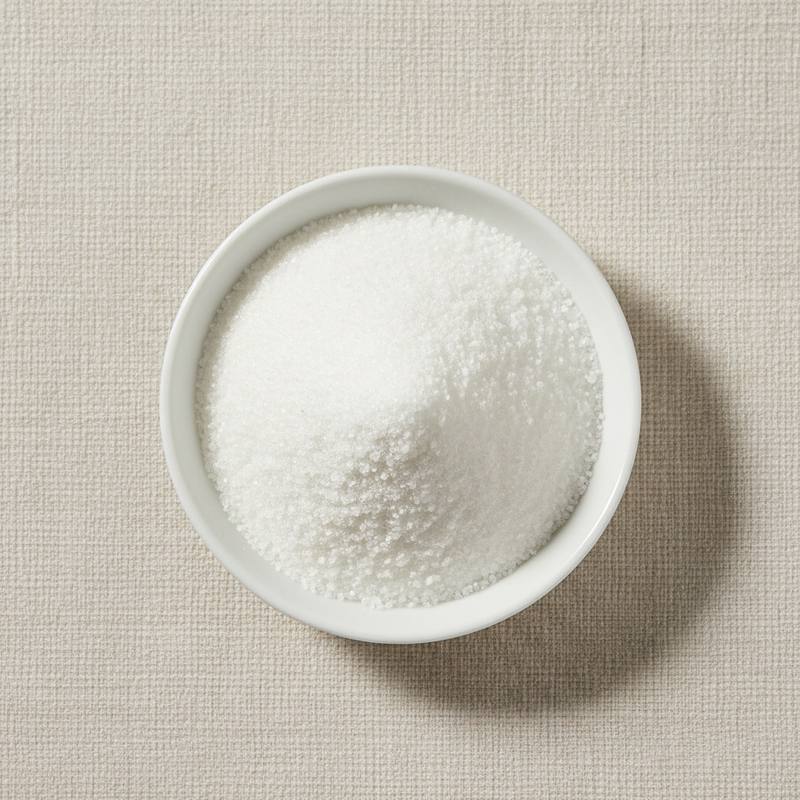
White crystalline powder or granules. Highly water-soluble and stable across the full pH and temperature range of food and pharmaceutical processing, including baking and retort.
We supply food-grade Sodium Saccharin from manufacturers in China holding ISO, Halal, Kosher and other certifications relevant to the product and production.
Common market grades include Sodium Saccharin Dihydrate, Sodium Saccharin Anhydrous, and the spray-dried 100-mesh format used in tabletop blends, alongside Insoluble Saccharin (the free acid form) for applications requiring lower sodium content. Standard mesh sizes are 4 to 8, 8 to 16, 20 to 40, and 100 mesh.
Bulk and reduced-MOQ shipments. Batch-level COA covering assay, heavy metals, residual solvents, and microbiology.
Introduction
Saccharin was discovered in 1879 by Constantin Fahlberg at Johns Hopkins University and became the first commercial artificial sweetener, predating aspartame by nearly a century.
Sodium Saccharin is the sodium salt form of saccharin, chosen over the free acid for its superior water solubility. It is regulated as E954 in the EU, classified as safe by the U.S. FDA following the formal removal of warning-label requirements in 2000, and assigned an Acceptable Daily Intake of 5 mg per kg body weight by JECFA.
The molecule is not metabolized by the human body and is excreted unchanged, making it suitable for diabetic and ketogenic product development. Sweetness intensity holds across pH 3 to 8 and through baking, retort sterilization, and UHT processing without measurable loss.
A faint metallic or bitter aftertaste at high concentration is the principal formulation challenge, which is why Sodium Saccharin is most often blended with cyclamate (in markets where cyclamate is approved), aspartame, or sucralose, typically at ratios that bring saccharin below 50 percent of total sweetness contribution.
Where it is used
- Tabletop sweetener products: sachets, tablets, liquid drops, and effervescent formats
- Sugar-free and reduced-sugar carbonated beverages, juice drinks, and flavored waters in price-sensitive markets
- Pharmaceutical syrups, lozenges, chewable tablets, and effervescent formulations; masks bitter active ingredients
- Toothpaste, mouthwash, and oral hygiene products; one of the most widely used sweeteners in oral care globally
- Sugar-free chewing gum, hard candies, and lozenges
- Pickles, condiments, dressings, and sweet-and-sour sauces, particularly in East Asian and South Asian cuisines
- Animal feed and pet food palatants, especially in piglet starter feeds where sweetness improves intake
- Sugar-free baked goods and breakfast cereals where heat stability is required
Technical data
| Item | Specification |
|---|---|
| Appearance | White crystalline powder or granules |
| Assay (dry basis) | 99.0% to 101.0% |
| Loss on drying | ≤ 15.0% |
| pH (1:10 solution) | 6.0 to 8.0 |
| Heavy metals (as Pb) | ≤ 10 mg/kg |
| Arsenic | ≤ 3 mg/kg |
| Readily carbonizable substances | Passes test |
| Benzoate and salicylate | Passes test |
| Mesh size | 4 to 8, 8 to 16, 20 to 40, 100 mesh, or per customer specification |
Related ingredients
Ready to discuss business?
Send us your spec and requirement. We will respond with availability and pricing within 24 hours.